
 EN
EN
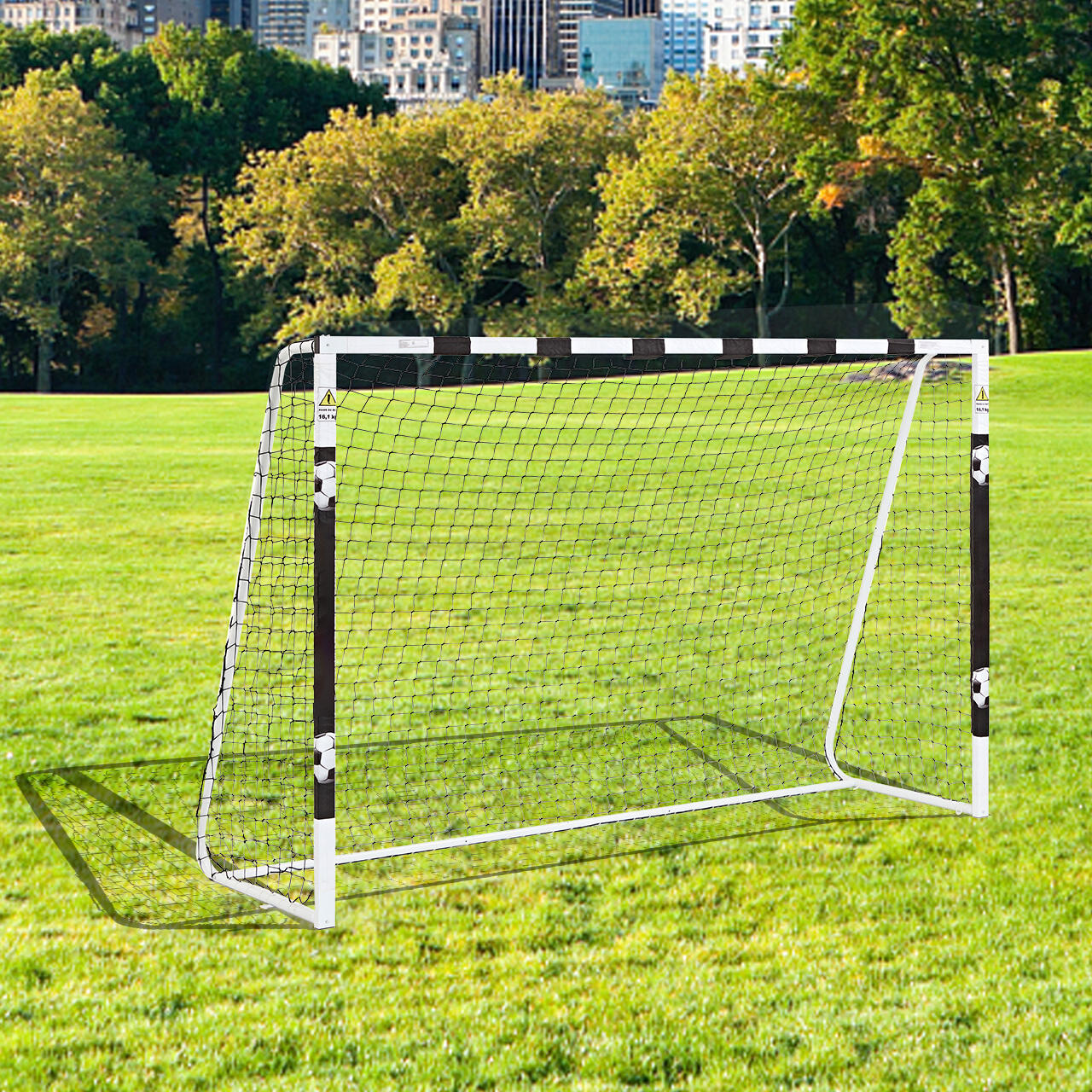
របៀបដែលគ្រូបង្វឹកចូលទៅក្នុងការប្រកួតដ៏ស្រស់ស្អាតកំពុងឆ្លងកាត់ការផ្លាស់ប្តូរយ៉ាងជ្រាលជ្រៅ។ នៅទូទាំងលីគស្ម័គ្រចិត្ត និងការប្រកួតលំដាប់ខ្ពស់ ការរួមបញ្ចូលការវិភាគពេលវេលាជាក់ស្តែង កម្មវិធីតាមដានការអនុវត្ត និងទិន្នន័យជីវមេកានិចកំពុងផ្លាស់ប្តូររបៀបដែលក្រុមបាល់ទាត់រៀបចំ ប្រកួតប្រជែង និងងើបឡើងវិញ។ អ្វីដែលធ្លាប់ពឹងផ្អែកលើសភាវគតិ បទពិសោធន៍ និងភ្នែកមុតស្រួចរបស់គ្រូបង្វឹក ឥឡូវនេះកំពុងត្រូវបានបំពេញបន្ថែម — ហើយក្នុងករណីខ្លះត្រូវបានជំនួស — ដោយការយល់ដឹងជាលេខច្បាស់លាស់ដែលអាចបង្ហាញគំរូដែលមើលមិនឃើញដោយភ្នែកទទេ។ ការផ្លាស់ប្តូរនេះមិនមែនគ្រាន់តែជាបច្ចេកវិទ្យានោះទេ។ វាតំណាងឱ្យការគិតឡើងវិញជាមូលដ្ឋានអំពីរបៀបដែលយុទ្ធសាស្ត្រការអនុវត្តបាល់ទាត់ត្រូវបានបង្កើតឡើង វាយតម្លៃ និងកែលម្អក្នុងរយៈពេលមួយរដូវកាល។

ចម្លើយខ្លីៗចំពោះសំណួរថា តើការបណ្តុះបណ្តាលដែលផ្អែកលើទិន្នន័យអាចផ្លាស់ប្តូរយុទ្ធសាស្ត្រសម្រាប់ការបង្ហាត់ប្រកើតសមត្ថភាពក្នុងកីឡាបាល់ទាត់បានឬទេ គឺ «បាទ/ចាស» ដោយច្បាស់លាស់ — ប៉ុន្តែរឿងទាំងមូលមានភាពស្មុគស្មាញជាងនេះច្រើន។ កម្រិតនៃការផ្លាស់ប្តូរនេះ អាស្រ័យលើរបៀបដែលក្លឹបបញ្ចូលទិន្នន័យទៅក្នុងវប្បធម៌របស់ពួកគេ របៀបដែលអ្នកបណ្តុះបណ្តាលបកស្រាយទិន្នន័យវិភាគរួមគ្នាជាមួយជំនាញប្រពៃណី និងរបៀបដែលអ្នកលេងឆ្លើយតបទៅនឹងការផ្តល់មតិអំពីសមត្ថភាពដែលផ្អែកលើលេខ ជាជាងការសង្កេតដោយផ្អែកលើការវាយតម្លៃផ្ទាល់ខ្លួន។ អត្ថបទនេះសិក្សាអំពីយន្តការ ផលប៉ះពាល់ និងភាពជាក់ស្តែងនៃការប្រើប្រាស់ទិន្នន័យដើម្បីរំលឹកឡើងវិញនូវការបណ្តុះបណ្តាលកីឡាបាល់ទាត់នៅគ្រប់កម្រិតនៃការប្រកួត។
គ្រឹះនៃការបណ្តុះបណ្តាលដែលផ្អែកលើទិន្នន័យ បាល់ទាត់ ការបណ្តុះបណ្តាល
ទិន្នន័យវិភាគវាស់អ្វីខ្លះជាក់ស្តែងក្នុងកីឡាបាល់ទាត់
ការបណ្តុះបណ្តាលដែលផ្អែកលើទិន្នន័យក្នុងកីឡាបាល់ទាត់ចាប់ផ្តើមពីការយល់ដឹងអំពីអ្វីដែលអាចវាស់បានដោយមានន័យនៅលើវាល។ ប្រព័ន្ធការតាមដានសម័យទំនើប — រួមទាំងសំលៀកប៉ាក់ GPS កាមេរ៉ាប៉ះពាល់ និងសេនសើរអ៊ីណេស៊ីអ៊ែល — ចាប់យកអថេរច្រើនជាងគេក្នុងអំឡុងពេលបណ្តុះបណ្តាល និងការប្រកួត។ ចម្ងាយដែលបានគ្របដណ្តប់ ប្រេកង់នៃការរត់លឿន តំបន់រត់ដែលមានកម្លាំងខ្ពស់ ភាពប្រែប្រួលនៃអត្រាប៉ះពាល់បេះដូង ការប៉ះទង្គិចដែលមានកម្លាំងខ្លាំង និងផែនទីកំដៅនៃទីតាំង គឺជាអត្ថបទវាស់វែងដែលត្រូវបានវិភាគញឹកញាប់បំផុតក្នុងបរិស្ថានបាល់ទាត់វិជ្ជាជីវៈសព្វថ្ងៃ។
លើសពីការសម្តែងផ្នែករាងកាយ ទិន្នន័យពិសេសបន្ថែមជាន់ថ្មីមួយទៀតនៃជំរៅវិភាគ។ អត្រាប៉ះពាល់បាល់ទៅកាន់គោលដៅ ភាពត្រឹមត្រូវនៃការបាញ់ ប្រសិទ្ធិភាពនៃការស៊ើបអង្កេត ទីតាំងនៃខ្សែការពារ និងអត្រាប្រសើរនៃការប្រកួតក្នុងស្ថានភាពពិសេស អាចទាំងអស់នេះវាស់បាន និងប្រៀបធៀបបានទៅនឹងគូប្រកួត រាងកាយ និងបរិបទការប្រកួត។ នៅពេលបញ្ចូលជាមួយការវិភាគវីដេអូ លេខទាំងនេះអនុញ្ញាតឱ្យក្រុមបណ្តុះបណ្តាលបង្កើតរូបភាពដែលមានភាពលម្អិត និងផ្អែកលើភស្តុតាង ចំពោះទាំងការសម្តែងរបស់បុគ្គល និងក្រុមទាំងមូល ដែលមិនអាចធ្វើបាននៅកាលបរិច្ឆេទមុនមួយជំនាន់។
សំខាន់ប៉ុណ្ណោះ តម្លៃនៃសូចនាករទាំងនេះក្នុងកីឡាបាល់ទាត់មិនមែនគ្រាន់តែជាការពណ៌នាប៉ុណ្ណោះទេ — វាមានលក្ខណៈព្យាករណ៍។ អ្នកបណ្តុះបណ្តាល និងអ្នកវិភាគអាចកំណត់គំរូនៃការហើយហែងមុនពេលកើតមានរបួស ស្វែងរកចំណុចខ្សះខាតផ្នែកយុទ្ធសាស្ត្រមុនពេលគូប្រឆាំងប្រើប្រាស់វា និងគណនាតម្លៃប៉ារ៉ាប៉ូប៉ាប៊ីលីតេ (probabilistic value) នៃការសម្រេចចិត្តផ្សេងៗគ្នាក្នុងអំឡុងពេលប្រកួត។ ដើម្បីឱ្យបានច្បាស់ វិមាត្រនៃការព្យាករណ៍នេះគឺជាទីកន្លែងដែលវិធីសាស្ត្រផ្អែកលើទិន្នន័យចាប់ផ្តើមផ្លាស់ប្តូរយ៉ាងពិតប្រាកដនូវយុទ្ធសាស្ត្រសម្រាប់ការកែលម្អសមត្ថភាព ជាជាងគ្រាន់តែបញ្ជាក់អ្វីដែលអ្នកបណ្តុះបណ្តាលបានសង្ស័យរួចមកហើយ។
តួនាទីរបស់អ្នកវិភាគសមត្ថភាពក្នុងក្រុមបាល់ទាត់សម័យទំនើប
ការកើតឡើងនៃអ្នកវិភាគសមត្ថភាពដែលមានសារៈសំខាន់ជាពិសេសក្នុងរចនាសម្ព័ន្ធក្រុមបាល់ទាត់បានបញ្ជាក់ថា ទិន្នន័យត្រូវបានបញ្ចូលយ៉ាងជ្រៅចូលទៅក្នុងការបណ្តុះបណ្តាលកម្រិតខ្ពស់យ៉ាងណាដែល។ អ្នកជំនាញទាំងនេះអង្គុយនៅចំណុចប្រសព្វគ្នារវាងវិទ្យាសាស្ត្រកីឡា និងចំណេះដឹងផ្នែកយុទ្ធសាស្ត្រ ដោយបកប្រែទិន្នន័យដុល្លារ (raw data) ទៅជាប្រាក់របាយការណ៍ដែលអាចយល់បាន និងមានសារៈសំខាន់សម្រាប់ការសម្រេចចិត្តដល់ក្រុមបណ្តុះបណ្តាល។ ការមានពួកគេនៅក្នុងក្រុមបាល់ទាត់បានបញ្ជាក់ថា វិធីសាស្ត្រផ្អែកលើទិន្នន័យមិនមែនជាការពិសោធន៍បន្ថែមទៀតទេ ប៉ុន្តែវាជាផ្នែកមួយដែលបានបង្កើតឡើងជាស្ថាបត្យកម្មនៅក្នុងរបៀបដែលអង្គការបាល់ទាត់ប្រកួតប្រជែងដំណើរការ។
អ្នកវិភាគសមត្ថភាពក្នុងកីឡាបាល់ទាត់ធ្វើការយ៉ាងជិតស្និតជាមួយអ្នកគ្រប់គ្រងក្រុមដើម្បីរចនាប្រវេសន៍បណ្តុះបណ្តាលដែលផ្តោតដោយផ្ទាល់លើចំណុចខ្សះខាតដែលបានកំណត់តាមទិន្នន័យ។ ប្រសិនបើសូចនាករស្តីពីការប៉ះទង្គិចបង្ហាញថា បន្ទាត់មុខរបស់ក្រុមបាត់បង់កម្លាំងបន្ទាប់ពីម៉ោងទី៦០ កម្រិតនៃការបណ្តុះបណ្តាល និងវិធីសាស្ត្រស្តារសុខភាពអាចត្រូវបានរៀបចំឡើងវិញដើម្បីដោះស្រាយបញ្ហាជាក់លាក់នេះ។ វដ្តប្រតិបត្តិការរវាងទិន្នន័យ និងការអនុវត្តន៍នេះគឺជាកន្លែងដែលការកើនឡើងនៃសមត្ថភាពពិតប្រាកដចាប់ផ្តើមប្រមូលផ្តុំគ្នាបន្តបន្ទាប់ក្នុងរយៈពេលរបស់រដូវកាលប្រកួតប្រជែង។
នៅក្លឹបដែលអ្នកវិភាគ និងអ្នកគ្រប់គ្រងក្រុមធ្វើការរួមគ្នាដោយស្មោះត្បាញ ឥទ្ធិពលលើយុទ្ធសាស្ត្រសមត្ថភាពក្នុងកីឡាបាល់ទាត់អាចមានលក្ខណៈផ្លាស់ប្តូរយ៉ាងសំខាន់។ ការសម្រេចចិត្តក្លាយជាលឿនជាងមុន ការផ្លាស់ប្តូរសាជាតិក្រុមក្លាយជាប្រសើរជាងមុន ហើយការកែសម្រួលយុទ្ធសាស្ត្រក្នុងអំឡុងពេលប្រកួតអាចត្រូវបានណែននាំដោយទិន្នន័យផ្ទាល់ពេលវេលា ជាជាងការពឹងផ្អែកតែលើការវាយតម្លៃរបស់អ្នកគ្រប់គ្រងក្រុមតាមពេលវេលាជាក់ស្តែង។ ធាតុមនុស្សនៅតែមានសារៈសំខាន់ ប៉ុន្តែឥឡូវនេះវាត្រូវបានពង្រឹងយ៉ាងខ្លាំងដោយព័ត៌មានវត្ថុសាស្ត្រ។
ទិន្នន័យផ្លាស់ប្តូរយុទ្ធសាស្ត្របាល់ទាត់យ៉ាងដូចម្តេច
កំពុងបញ្ជាក់ឡើងវិញនូវរាងកាយនៃក្រុម និងប្រព័ន្ធប៉ះទង្គិចតាមរយៈទិន្នន័យ
វិធីមួយក្នុងចំណោមវិធីសំខាន់បំផុត ដែលការបណ្តុះបណ្តាលដែលផ្អែកលើទិន្នន័យកំពុងផ្លាស់ប្តូរយុទ្ធសាស្ត្របាល់ទាត់គឺតាមរយៈការបង្កើនប្រសិទ្ធិភាពនៃរាងកាយនៃក្រុម និងប្រព័ន្ធប៉ះទង្គិច។ ទិន្នន័យអំពីទីតាំងអនុញ្ញាតឱ្យអ្នកបណ្តុះបណ្តាលយល់ពីទីតាំងដែលអ្នកលេងនៅ មិនមែនតែតែប៉ុណ្ណោះទេ ប៉ុន្តែថែមទាំងទំនាក់ទំនងផ្ទៃក្នុងរវាងពួកគេផងដែរ — ភាពជិតស្និតគ្នានៃប្លុកការពារ ភាពទទឹងនៃការផ្លាស់ប្តូរទៅកាន់ការវាយប្រហារ និងពេលវេលាដែលបន្ទាត់នៃការប៉ះទង្គិចរលំ។ ការយល់ដឹងទាំងនេះអនុញ្ញាតឱ្យអ្នកបណ្តុះបណ្តាលរចនាប្រព័ន្ធប៉ះទង្គិចដោយមានភាពច្បាស់លាស់ និងត្រឹមត្រូវជាងមុនយ៉ាងច្រើន ជាងការទាញយកតាមការវាយតម្លៃយុទ្ធសាស្ត្រតែប៉ុណ្ណោះ។
ឧទាហរណ៍ ទិន្នន័យអាចបង្ហាញថា ការការពារផ្នែកកណ្តាលរបស់ក្រុមមួយក្លាយជាការខ្សះខាត នៅពេលដែលកីឡាករប៉ាក់ខាងស្តាំរបស់គូប្រកួតទទួលបាល់នៅតំបន់ចេញឆ្ងាយក្នុងរយៈពេល ២០ នាទីដំបូងនៃការប្រកួត។ ដោយមានចំណេះដឹងនេះ បើកបរក្រុមប្រឹក្សាអាចរៀបចំស្ថានភាពបណ្តុះបណ្តាលជាក់លាក់ ដែលធ្វើឡើងដើម្បីចម្លង និងធ្វើការសាកល្បងវិធីសាស្ត្រការពារទៅនឹងស្ថានភាពជាក់លាក់នេះ។ លទ្ធផលគឺជាយុទ្ធសាស្ត្របាល់ទាត់ដែលឆ្លើយតបបានលឿន និងអាចប៉ះពាល់បានតាមស្ថានភាព ដែលបានបង្កើតឡើងដោយផ្ទាល់ពីភស្តុតាង ជាជាងការប្រើប្រាស់គោលការណ៍យុទ្ធសាស្ត្រទូទៅ។
កម្រិតនៃភាពច្បាស់លាស់នេះ ក៏ពង្រីកទៅដល់ការវិភាគគូប្រកួតផងដែរ។ ដោយការដំណាំទិន្នន័យច្រើនប៉ុណ្ណាដែលបានប្រមូលពីការប្រកួតនាពេលអនាគត គ្រូបង្រៀនអាចកំណត់គំរូដែលអាចទស្សន៍ទាយបាននៅក្នុងការបង្កើតល្បឿន តំបន់ដែលគូប្រកួតចូលចិត្តប៉ះពាល់ និងទម្លាប់នៅពេលប៉ះពាល់ក្នុងស្ថានភាពពិសេស។ ក្រុមបាល់ទាត់ដែលប្រើប្រាស់ព័ត៌មានប៉ះពាល់មុនការប្រកួតបែបនេះ ចូលរួមក្នុងការប្រកួតដោយមានផែនការប្រកួតដែលមានគោលដៅច្បាស់លាស់ ដែលជួយកាត់បន្ថយភាពមិនច្បាស់លាស់ និងប៉ះពាល់លើការសម្រេចចិត្តឱ្យបានប្រសើរឡើងក្នុងស្ថានភាពសម្ពាធខ្ពស់ក្នុងពេលប្រកួតពិត។
ការវិភាគបុគ្គលកីឡាករ និងការប៉ះពាល់តួនាទីឱ្យបានប្រសើរបំផុតក្នុងបាល់ទាត់
ការបណ្តុះបណ្តាលដែលផ្អែកលើទិន្នន័យ ក៏ផ្លាស់ប្តូរផងដែរនូវរបៀបដែលក្លឹបបាល់ទាត់គិតអំពីតួនាទីរបស់កីឡាករបុគ្គល និងការបង្កើតក្រុម។ ជំន взំនួយនូវការចាត់តាំងកីឡាករទៅកាន់តំណែងដោយផ្អែកលើប្រពៃណី ឬចំណូលចិត្ត ការវិភាគប្រ៊ូហ្វាល់អនុញ្ញាតឱ្យអ្នកបណ្តុះបណ្តាលចាត់តាំងកីឡាករទៅកាន់តួនាទីយុទ្ធសាស្ត្រដែលសមស្របបំផុត ដោយផ្អែកលើលក្ខណៈរាងកាយ និងបច្ចេកទេសដែលអាចវាស់វែងបាន។ គំរូនៃការធ្វើចលនារបស់កីឡាករនៅខាងក្រៅបាល់ អត្រាប្រើប្រាស់ការប៉ះប៉ូវ និងស្ថិតិអំពីការរក្សាបាល់ អាចជួយកំណត់បានថា តើកីឡាករនោះសមស្របបំផុតក្នុងការប្រើប្រាស់ជាអ្នកប៉ះប៉ូវនៅតំបន់ស្លាយ (winger) អ្នកកណ្តាលដែលផ្តោតលើការកាន់បាល់ (possession-oriented midfielder) ឬអ្នកបង្កើតល្បឿនយឺត (deep-lying playmaker)។
ការប្រើប្រាស់បែបនេះ ដែលទាក់ទងនឹងការប្រើប្រាស់តួអង្គឱ្យបានប្រសើរ មានផលប៉ះពាល់យ៉ាងជ្រៅចំពោះយុទ្ធសាស្ត្រសម្រាប់បង្កើនសមត្ថភាពក្នុងការលេងបាល់ទាត់ នៅកម្រិតក្រុម។ អ្នកគ្រប់គ្រងអាចបង្កើតរចនាសម្ព័ន្ធក្រុម និងគម្រោងការផ្លាស់ប្តូរអ្នកលេង ដោយមានការយល់ដឹងច្បាស់ថា តួអង្គនីមួយៗនឹងធ្វើអន្តរកម្មគ្នាដូចម្តេច ក្នុងរចនាសម្ព័ន្ធយុទ្ធសាស្ត្រជាក់លាក់មួយ។ នៅពេលដែលក្រុមមួយកំពុងប្រកួតប្រជែងដើម្បីស៊ុតបញ្ចូលគោលដៅនៅចុងបញ្ចប់នៃការប្រកួត ទិន្នន័យអាចប្រាប់យើងថា អ្នកលេងណាដែលត្រូវបានជ្រើសរើសជាអ្នកផ្លាស់ប្តូរ គឺមានសក្ដានុពលខ្ពស់បំផុតក្នុងការបង្កើនកម្លាំងស៊ីស្តេមស៊ីស្តេម (pressing intensity) ឬបង្កើតទំហំទំហំ (space) ក្នុងពេលផ្លាស់ប្តូរ (transition) ជាជាងការពឹងផ្អែកតែលើបទពិសោធន៍ និងការវាយតម្លៃតាមរយៈការមើលឃើញ។
ផ្លូវការអភិវឌ្ឍន៍អ្នកលេងក្នុងការលេងបាល់ទាត់ក៏ទទួលបានប្រយោជន៍យ៉ាងច្រើនដែរ។ អ្នកលេងវ័យក្មេងដែលមានទិន្នន័យបង្ហាញថា ពួកគេមានសក្ដានុពលខ្ពស់ក្នុងប្រព័ន្ធយុទ្ធសាស្ត្រជាក់លាក់មួយ អាចត្រូវបានជ្រើសរើសយ៉ាងឆាប់រហ័សទៅកាន់តួអង្គដែលអាចប្រើប្រាស់គុណសម្បត្តិរបស់ពួកគេបានយ៉ាងពេញលេញ។ វិធីសាស្ត្រផ្អែកលើភស្តុតាងនេះ សម្រាប់ការអភិវឌ្ឍន៍សមត្ថភាព ជួយឱ្យក្លឹបបង្កើតក្រុមដែលមានភាពស៊ីសម្បូរគ្នាបានកាន់តែច្បាស់លាស់ជាមួយពេលវេលា ដែលគ្រប់គ្រងគុណសម្បត្តិរបស់អ្នកលេងនីមួយៗ ត្រូវបានប្រើប្រាស់ក្នុងគ្រោងការណ៍យុទ្ធសាស្ត្រដែលមានគោលបំណងច្បាស់លាស់ ជាជាងការប្រើប្រាស់ដោយចៃដន្យ ឬដោយសារតែស្ថានភាព។
ការបង្ការរបួស និងការគ្រប់គ្រងបន្ទុកក្នុងការលេងបាល់ទាត់
ការប្រើប្រាស់ទិន្នន័យដើម្បីការពារអ្នកលេង និងរក្សាទុកនូវសមត្ថភាព
ការអនុវត្តន៍មួយក្នុងចំណោមការអនុវត្តន៍ដែលមានឥទ្ធិពលភ្លាមៗប៉ុន្មានប៉ុណ្ណោះនៃការបណ្តុះបណ្តាលដែលផ្អែកលើទិន្នន័យក្នុងកីឡាបាល់ទាត់គឺការការពារការរបួស និងការគ្រប់គ្រងបន្ទុករាងកាយ។ ដោយការតាមដានបរិមាណការហ្វឹកហាត់ ការប៉ះទង្គិចលឿន និងសញ្ញាបង្ហាញពីការស្តារឡើងវិញជាបន្តបន្ទាប់ ក្រុមវិទ្យាសាស្ត្រកីឡាអាចកំណត់បានថា អ្នកលេងម្នាក់ៗកំពុងនៅជិតនឹងកម្រិតគ្រោះថ្នាក់នៃការរបួស។ នេះអនុញ្ញាតឱ្យបុគ្គលិកបណ្តុះបណ្តាលធ្វើការសម្រេចចិត្តជាមុនអំពីកម្រិតភាពតានតឹងនៃការហ្វឹកហាត់ និងសមត្ថភាពចូលរួមក្នុងការប្រកួត ជាជាងការឆ្លើយតបទៅនឹងការរបួសបន្ទាប់ពីវាកើតឡើង។
នៅក្នុងប្រតិទិនបាល់ទាត់ដែលទាមទារការខិតខំប្រឹងប្រែងផ្នែករាងកាយយ៉ាងខ្លាំង — ដែលក្លិបកំពូលជាញឹកញាប់ប្រកួតប្រជែងក្នុងការប្រកួតច្រើនប្រភេទ ដោយមានរយៈពេលសម្រាកខ្លី — ទិន្នន័យគ្រប់គ្រងបន្ទុក (load management) ក្លាយជាធនធានយុទ្ធសាស្ត្រដែលមានសារៈសំខាន់ខ្លាំងណាស់។ អ្នកបណ្តុះបណ្តាលដែលយល់ពីស្ត្រេសរាងកាយសរុបដែលក្រុមរបស់ពួកគេកំពុងទទួលបាន អាចធ្វើការសម្រេចចិត្តអំពីការផ្លាស់ប្តូរអ្នកលេងបានឆ្លាតវៃជាងមុន ដើម្បីធានាថា អ្នកលេងសំខាន់ៗនឹងមកដល់ការប្រកួតសំខាន់ៗក្នុងស្ថានភាពរាងកាយល្អបំផុត។ នេះមិនមែនជាការគិតដែលអាចប៉ះពាល់បានទេ ប៉ុន្តែវាជាសមាសធាតុសំខាន់មួយនៃយុទ្ធសាស្ត្របាល់ទាត់ដែលមានប្រសិទ្ធភាពខ្ពស់ ហើយអាចរក្សាបានយូរ។
ព្រឹត្តិការណ៍ បាល់ទាត់ បរិស្ថានបណ្តុះបណ្តាលផ្ទាល់ក៏ទទួលបានប្រយោជន៍ពីទិន្នន័យការតាមដានបន្ទុកផងដែរ។ នៅពេលដែលអ្នកបណ្តុះបណ្តាលអាចមើលឃើញយ៉ាងច្បាស់ថា អ្នកលេងកំពុងទទួលយកស្ត្រេសរាងកាយប៉ាន់ស្មានប៉ុន្មានក្នុងរយៈពេលមួយសប្តាហ៍ ពួកគេអាចកំណត់កម្រិតការលំបាកនៃមេរៀនបណ្តុះបណ្តាល ដើម្បីឱ្យអ្នកលេងស្ថិតក្នុងស្ថានភាពស្រេចស្មារតីល្អបំផុតនៅថ្ងៃប្រកួត ដោយមិនធ្វើឱ្យអ្នកលេងហើយលើសកម្លាំង។ វិធីសាស្ត្រដែលបានកែលម្អយ៉ាងច្បាស់នេះ សម្រាប់ការរៀបចំរាងកាយ គឺជាឧទាហរណ៍ច្បាស់លាស់បំផុតមួយ នៃរបៀបដែលទិន្នន័យផ្លាស់ប្តូរមិនតែយុទ្ធសាស្ត្រប៉ុណ្ណោះ ប៉ុន្តែថែមទាំងផ្លាស់ប្តូរគ្រប់គ្រងប្រតិបត្តិការទាំងមូលនៃកម្មវិធីបណ្តុះបណ្តាលបាល់ទាត់។
ការត្រួតពិនិត្យការស្តារឡើងវិញ និងផលប៉ះពាល់របស់វាលើចក្រវាឡប្រសើរភាពក្នុងការលេងបាល់ទាត់
ទិន្នន័យអំពីការស្តារឡើងវិញគឺជាមុខងារមួយដែលជាញឹកញាប់មិនត្រូវបានគេផ្តល់តម្លៃគ្រប់គ្រាន់ក្នុងការបណ្តុះបណ្តាលបាល់ទាត់ដោយផ្អែកលើទិន្នន័យ។ ភាពប្រែប្រួលនៃអត្រាការធ្វើការរបស់ប៉ាក់ (HRV) សូចនាករអំពីគុណភាពនៃការគេង ការតាមដានការប៉ះពាល់នៃការផ្តល់ទឹក និងការវាយតម្លៃអំពីការឈឺចាប់របស់សាច់ដុំ អាចប្រមូលផ្តុំគ្នាដើម្បីផ្តល់រូបភាពជាក់ស្តែងជាបន្ទាន់ដល់អ្នកបណ្តុះបណ្តាលអំពីការស្តារឡើងវិញរបស់ក្រុមរបស់ពួកគេរវាងការប្រកួត និងការហ្វឹកហាត់។ នៅពេលដែលទិន្នន័យអំពីការស្តារឡើងវិញត្រូវបានបញ្ចូលទៅក្នុងការរៀបចំផែនការសម័យហ្វឹកហាត់ ការកើនឡើង និងថយចុះនៃសក្តានុពលរាងកាយក្នុងរដូវបាល់ទាត់មួយនឹងក្លាយជារឿងងាយស្រួលក្នុងការគ្រប់គ្រងជាងមុនយ៉ាងច្បាស់។
ក្រុមដែលបង្កើតការតាមដានការស្តារឡើងវិញចូលទៅក្នុងទស្សនៈរបស់ពួកគេអំពីការបណ្តុះបណ្តាលក្នុងកីឡាបាល់ទាត់ មាននៅជាទូទៅបង្ហាញពីភាពស្ថិរស្ថេរកាន់តែខ្លាំងទាំងមូលក្នុងរយៈពេលវែងនៃរដូវកាល។ ជំន взំនួយនឹងបានឆ្លងកាត់ការធ្លាក់ចុះដ៏ខ្លាំងនៃសមត្ថភាពដែលជារឿយៗកើតឡើងជាមួយនឹងការប៉ះទង្គិលគ្នានៃការប្រកួត ក្រុមទាំងនេះរក្សាទុកនូវកម្រិតផលិតកម្មរាងកាយដែលស្ថិរស្ថេរជាង ព្រោះការស្តារឡើងវិញត្រូវបានគេចាត់ទុកថាជាអថេរដែលអាចវាស់វែង និងគ្រប់គ្រងបាន ជាជាងការសន្មតថាជាអថេរថេរមួយ។ ភាពស្ថិរស្ថេរនេះបកប្រែដោយផ្ទាល់ទៅជាលទ្ធផលសមត្ថភាពបាល់ទាត់ដែលប្រសើរជាង នៅពេលដែលវាមានសារៈសំខាន់បំផុត។
វិមាត្រផ្នែកចិត្តវិទ្យានៃទិន្នន័យស្តារឡើងវិញក៏គួរឱ្យកត់សម្គាល់ផងដែរ។ នៅពេលដែលអ្នកលេងអាចឃើញភស្តុតាងវត្ថុសាស្ត្រថា ស្ថានភាពរាងកាយរបស់ពួកគេកំពុងត្រូវបានតាមដាន និងគេគោរពដោយក្រុមបណ្តុះបណ្តាល វាបង្កើតជាការទុកចិត្តលើវិធីសាស្ត្ររបស់កម្មវិធី។ ការទទួលយកនេះគឺមានសារៈសំខាន់ខ្លាំងណាស់ក្នុងបរិយាកាសបាល់ទាត់ ដែលអ្នកកីឡាករត្រូវបានស្នើសុំឱ្យទទួលយកការសម្រេចចិត្តអំពីការផ្លាស់ប្តូរតួអ្នកលេង ឬការបន្ថយបន្ទុកនៃការហ្វឹកហ្វឺន ដែលពួកគេប្រហែលជាមិនយល់ស្របផ្ទាល់ខ្លួន។ ទិន្នន័យបំប្លែងការសន្ទនាទាំងនេះពីគំនិតផ្ទាល់ខ្លួនទៅជាការពិភាក្សាដែលផ្អែកលើភស្តុតាង។
បញ្ហាប្រឈម និងដែនកំណត់នៃការបណ្តុះបណ្តាលកីឡាបាល់ទាត់ដែលផ្អែកលើទិន្នន័យ
ភាពតានតឹងរវាងទិន្នន័យ និងសាមគ្រីចិត្តរបស់អ្នកបណ្តុះបណ្តាលកីឡាបាល់ទាត់
ទោះបីជាការបណ្តុះបណ្តាលដែលផ្អែកលើទិន្នន័យមានសក្ដានុពលក្នុងការផ្លាស់ប្តូរយ៉ាងខ្លាំងក៏ដោយ ក៏វាមិនគ្មានបញ្ហាប្រឈមយ៉ាងធ្ងន់ធ្ងរទេ។ ប្រហែលជាភាពតានតឹងដែលបន្តគ្រប់ពេលគឺរវាងការវិភាគ និងជំនាញសាមគ្រីចិត្តដែលអ្នកបណ្តុះបណ្តាលដែលមានបទពិសោធន៍បានអភិវឌ្ឍនៅក្នុងអាជីពរបស់ពួកគេ ដែលបានចំណាយពេលជាច្រើនឆ្នាំនៅលើជើងទីក្នុងការបណ្តុះបណ្តាល។ លេខអាចពណ៌នាអំពីអ្វីដែលបានកើតឡើង ប៉ុន្តែវាមិនអាចបញ្ជាក់បានយ៉ាងពេញលេញអំពីហេតុផលដែលវាកើតឡើងទេ — ហើយវាមិនអាចចម្លងការវាយតម្លៃបរិបទដែលមានភាពស៊ីជម្រៅ ដែលបែងចែកអ្នកបណ្តុះបណ្តាលដែលមានគុណភាពខ្ពស់ពីអ្នកបណ្តុះបណ្តាលធម្មតាបានទេ។
គ្រូបង្វឹកបាល់ទាត់ដែលមានជំនាញយល់ពីភាសាកាយ សាច់រួមគ្នា ស្ថានភាពទំនុកចិត្តរបស់អ្នកលេង និងស្ថានភាពផ្នែកចិត្តវិទ្យាដែលគ្មានប្រព័ន្ធប៉ាន់ស្មារណាមួយអាចវាស់វែងបាននាពេលបច្ចុប្បន្ន។ នៅពេលទិន្នន័យណែនាំឱ្យឱ្យអ្នកលេងម្នាក់សម្រាក ទោះបីជាគ្រូបង្វឹកដឹងថា អ្នកលេងនោះកំពុងស្ថិតក្នុងស្ថានភាពល្អឥតខ្ជះខ្ជាយ និងមានសុខភាពផ្នែកចិត្តរឹងមាំក៏ដោយ ការសម្រេចចិត្តដែលត្រូវបានគេធ្វើឡើងអាចជាការមិនប្រើសូចនាករនោះក្នុងបរិបទជាក់ស្តែងនេះ។ ការបង្វឹកដែលផ្អែកលើទិន្នន័យក្នុងបាល់ទាត់មានប្រសិទ្ធិភាពប៉ុណ្ណោះនៅពេលដែលវាជាប្រភពព័ត៌មានដែលជួយគាំទ្រ ជាជាងជាប្រភពដែលជំនួសការវិភាគរបស់មនុស្ស។
ក្លឹបដែលមើលទិន្នន័យជាអំណាចដាច់ខាត — ជាជាងជាប្រភពព័ត៌មានដ៏មានឥទ្ធិពលសម្រាប់ការសម្រេចចិត្តរបស់មនុស្ស — មានហានិភ័យក្នុងការបង្កើតយុទ្ធសាស្ត្របាល់ទាត់ដែលមានភាពរឹង និងគ្មានភាពអាចបត់បែនបាន ដែលមិនអាចសម្របខ្លួនទៅនឹងធម្មជាតិដែលមិនអាចទស្សន៍ទាយបាន និងមានភាពរាវរាយនៃការប្រកួត។ ការអនុវត្តដែលជោគជ័យប៉ុណ្ណោះនៃការបង្វឹកដែលផ្អែកលើទិន្នន័យគឺជាការអនុវត្តដែលការវិភាគទិន្នន័យ និងជំនាញរបស់មនុស្សមានការសន្ទនាជាក់ស្តែងគ្នា ដែលមួយៗជួយគាំទ្រ និងប្រឆាំងគ្នាទៅវិញទៅមក ដើម្បីសម្រេចបានលទ្ធផលប្រសើរជាងមុនក្នុងការលេងបាល់ទាត់។
សារធាតុទិន្នន័យនៅក្នុងបាល់ទាត់នៅគ្រប់កម្រិត
ការរីករាយមួយទៀតដែលមានសារៈសំខាន់ចំពោះការបណ្តុះបណ្តាលដែលផ្អែកលើទិន្នន័យក្នុងកីឡាបាល់ទាត់គឺជាការមិនអាចចូលប្រើប្រាស់បានស្មើគ្នាទាំងមូលនៅតាមកម្រិតផ្សេងៗគ្នានៃកីឡានេះ។ នៅកម្រិតវិជ្ជាជីវៈ ក្លឹបនានាបានវិនិយោគយ៉ាងខ្លាំងលើប្រព័ន្ធការតាមដាន GPS អ្នកវិភាគដែលមានសារៈសំខាន់ និងវេទិកាទិន្នន័យផ្ទាល់ខ្លួន ដែលបង្កើតបាននូវអត្ថប្រយោជន៍ប្រកួតប្រជែង។ ប៉ុន្តែនៅកម្រិតឫសគល់ និងកម្រិតកីឡាបាល់ទាត់ការពារ (semi-professional) ការចូលប្រើប្រាស់ឧបករណ៍ទាំងនេះនៅតែមានការកំណត់ដោយសារតែថវិកា ជំនាញបច្ចេកទេស និងហេដ្ឋារចនាសម្ព័ន្ធ។
ការកើតឡើងនេះបានបង្កើតបាននូវចន្លោះសមត្ថភាពកាន់តែធំឡើងៗរវាងក្លឹបបាល់ទាត់ដែលមានធនធានគ្រប់គ្រាន់ និងក្លឹបដែលដំណាំដោយសមត្ថភាពវិភាគដែលមានកម្រិតទាប។ ទោះបីជាឧបករណ៍វិភាគវីដេអូដែលឥតគិតថ្លៃ និងថោកៗបានធ្វើឱ្យការបណ្តុះបណ្តាលដែលផ្អែកលើទិន្នន័យកាន់តែស្មើគ្នាក្នុងផ្នែកខ្លះក៏ដោយ ការតាមដានរាងកាយទាំងមូល និងការគណនាប៉ាន់ស្មានទស្សនៈនៅតែជាផ្នែកដែលស្ថិតនៅក្នុងវិស័យរបស់ក្លឹបបាល់ទាត់វិជ្ជាជីវៈ និងក្លឹបបាល់ទាត់អាជីពដែលមានសមត្ថភាពខ្ពស់។ ការបំពេញចន្លោះនេះគឺជាបញ្ហាដែលត្រូវបានគេចាត់ទុកថាជាបញ្ហាសំខាន់បំផុតមួយក្នុងការអភិវឌ្ឍន៍កីឡាបាល់ទាត់។
ដែលគួរឱ្យរីករាយ គឺគំនិតផ្តួចផ្តើមបច្ចេកវិទ្យាបង្ហាញថា ឧបករណ៍ទិន្នន័យសម្រាប់បាល់ទាត់នឹងកាន់តែមានតម្លៃសមរម្យ និងអាចប្រើបានយ៉ាងងាយស្រួលជាងមុនតាមពេលវេលា។ កម្មវិធីតាមដានដែលប្រើប្រាស់តាមទូរសព្ទ វេទិកាដែលអនុញ្ញាតឱ្យសហគមន៍ចែករំលែកវីដេអូវិភាគការប្រកួត និងឧបករណ៍វិភាគបើកចំហ ទាំងអស់នេះកំពុងពង្រីកវិសាលភាពនៃការបណ្តុះបណ្តាលដោយផ្អែកលើទិន្នន័យទៅកាន់កម្រិតទាបជាងនេះនៅក្នុងការប្រកួតបាល់ទាត់។ សំណួរមិនមែនគឺថា ទិន្នន័យនឹងផ្លាស់ប្តូរការបណ្តុះបណ្តាលបាល់ទាត់នៅគ្រប់កម្រិតទាំងអស់ឬទេ ប៉ុន្តែគឺថា ការផ្លាស់ប្តូរនេះនឹងកើតឡើងយ៉ាងឆាប់រហ័ស និងយ៉ាងស្មើភាពប៉ុណ្ណាទេ។
សំណួរញឹកញាប់
ការបណ្តុះបណ្តាលដែលផ្អែកលើទិន្នន័យធ្វើឱ្យបានល្អឡើងដូចម្តេចចំពោះសមត្ថភាពរបស់ក្រុមបាល់ទាត់?
ការបណ្តុះបណ្តាលដែលផ្អែកលើទិន្នន័យ ធ្វើឱ្យការប្រកួតបាល់ទាត់របស់ក្រុមមានប្រសិទ្ធភាពកាន់តែខ្ពស់ឡើង ដោយផ្តល់នូវការវិភាគដែលមានភាពច្បាស់លាស់ និងអព្យាក្រឹតចំពោះការប៉ះពាល់រាងកាយ គំរូយុទ្ធសាស្ត្រ និងឥរិយាបថរបស់កីឡាករនីមួយៗ។ អ្នកបណ្តុះបណ្តាលអាចប្រើព័ត៌មានទាំងនេះដើម្បីរៀបចំមេរៀនបណ្តុះបណ្តាលដែលមានគោលដៅច្បាស់លាស់ បង្កើនប្រសិទ្ធភាពប្រព័ន្ធយុទ្ធសាស្ត្រដែលផ្អែកលើលទ្ធផលដែលអាចវាស់វែងបាន ធ្វើការសម្រេចចិត្តអំពីការផ្លាស់ប្តូរសមាជិកក្រុមឱ្យបានឆ្លាតវៃ និងកំណត់ហានិភ័យនៃការរបួសមុនពេលដែលវាធ្វើឱ្យកីឡាករសំខាន់ៗត្រូវបានដកចេញពីការប្រកួត។ ផលប៉ះពាល់សរុបគឺជាការប្រកួតបាល់ទាត់ដែលមានភាពច្បាស់លាស់ អាចប៉ះពាល់បាន និងមានភាពស៊ីសង្វាក់គ្នាយ៉ាងម៉ាក់តែមួយ។
តើក្លឹបបាល់ទាត់តូចៗអាចទទួលបានប្រយោជន៍ពីការបណ្តុះបណ្តាលដែលផ្អែកលើទិន្នន័យដោយគ្មានថវិកាធំៗបានឬទេ?
បាទ/ចាស ក្លឹបបាល់ទាត់តូចៗអាចប្រើប្រាស់ឧបករណ៍បណ្តុះបណ្តាលដែលផ្អែកលើទិន្នន័យបានយ៉ាងមានសារៈសំខាន់តាមរយៈកម្មវិធីវីដេអូវិភាគដែលមានតម្លៃសមរម្យ ឧបករណ៍តាមដាន GPS មូលដ្ឋាន និងកម្មវិធីតាមដានសមត្ថភាពដែលឥតគិតថ្លៃ ឬមានតម្លៃទាប។ ទោះបីជាបច្ចេកវិទ្យាដែលមានភាពស្មុគស្មាញខ្ពស់ដែលអាចរកបានសម្រាប់ក្លឹបកំពូលនៅតែមិនអាចទៅដល់ដៃរបស់អង្គការសហគមន៍ជាច្រើនក៏ដោយ ការអនុវត្តទិន្នន័យដែលមានសារៈសំខាន់តិចតួច — ដូចជាការតាមដានចម្ងាយរត់លឿន ការវិភាគវីដេអូប្រកួត និងការតាមដានបរិមាណការហ្វឹកហាត់ប្រចាំសប្តាហ៍ — ក៏អាចផ្តល់នូវការកែលម្អយ៉ាងមានសារៈសំខាន់ចំពោះយុទ្ធសាស្ត្រសមត្ថភាពក្លឹបបាល់ទាត់។
តើការបង្វឹកដែលជំរុញដោយទិន្នន័យជំនួសតួនាទីប្រពៃណីរបស់គ្រូបង្វឹកបាល់ទាត់ដែរឬទេ?
ការបណ្តុះបណ្តាលដែលផ្អែកលើទិន្នន័យមិនបំលែងតួនាទីប្រពៃណីរបស់អ្នកបណ្តុះបណ្តាលបាល់ទាត់ទេ ប៉ុន្តែវាបំពេញ និងពង្រឹងវា។ អ្នកបណ្តុះបណ្តាលដែលមានបទពិសោធន៍បាននាំមកនូវការវាយតម្លៃដែលផ្អែកលើបរិបទ សមត្ថភាពក្នុងការជំរុញ និងការគិតប៉ះទង្គិចតាមពេលវេលាជាក់ស្តែង ដែលប្រព័ន្ធវិភាគណាមួយមិនអាចចម្លងបានទេ។ គំរូដែលមានប្រសិទ្ធិភាពបំផុតគឺគំរូដែលទិន្នន័យជួយបំផុសគំនិតសម្រាប់ការសម្រេចចិត្តរបស់អ្នកបណ្តុះបណ្តាល ដោយមិនបំបែកជំនាញរបស់មនុស្ស និងសាមាគ្រីយ៍ទំនាក់ទំនងដែលនៅតែជាផ្នែកសំខាន់នៅក្នុងការដឹកនាំក្រុមបាល់ទាត់ឱ្យជោគជ័យ និងការអភិវឌ្ឍអ្នកលេង។
ទិន្នន័យប្រសិទ្ធិភាពកីឡាបាល់ទាត់ប្រភេទណាដែលមានប្រយោជន៍បំផុតសម្រាប់ការអភិវឌ្ឍយុទ្ធសាស្ត្រ?
ទិន្នន័យសម្តែងការលេងបាល់ទាត់ដែលមានប្រយោជន៍យ៉ាងខ្លាំងបំផុតសម្រាប់ការគ្រប់គ្រងយុទ្ធសាស្ត្រ ជាទូទៅរួមបញ្ចូលទាំងសូចនាករផ្នែករាងកាយ ដូចជាជម្ងាយរត់កម្រិតខ្ពស់ និងចំនួនដងដែលរត់លឿន (sprint) សូចនាករផ្នែកយុទ្ធសាស្ត្រ ដូចជាប្រសិទ្ធភាពការចុះប៉ះ (pressing) និងទីតាំងរបស់បន្ទាត់ការពារ និងសូចនាករផ្នែកបច្ចេកទេស ដូចជាអត្រាបញ្ជូនបាល់ដែលជោគជ័យក្រោមសម្ពាធ និងគុណភាពការបាញ់។ នៅពេលដែលបញ្ចូលគ្នាជាមួយទិន្នន័យវិភាគគូប្រកួត — ដែលគ្របដណ្តប់លើគំរូការបង្កើតការវាយប្រហារ (build-up patterns) ទម្លាប់ក្នុងការប្រើប្រាស់ការប៉ះគ្នាដែលមានការរៀបចំជាមុន (set-piece tendencies) និងឥរិយាបថក្នុងការផ្លាស់ប្តូរស្ថានភាព (transition behaviors) — ការយល់ដឹងទាំងនេះអនុញ្ញាតឱ្យក្រុមប្រឹក្សាបាលបាល់ទាត់អាចបង្កើតផែនការប្រកួតដែលមានភាពច្បាស់លាស់ និងមានភាពជាក់ស្តែងដែលផ្អែកលើភស្តុតាង ដែលជាការពង្រឹងយ៉ាងខ្លាំងនូវការរៀបចំសម្រាប់ប្រកួត។
ទំព័រ ដើម
- គ្រឹះនៃការបណ្តុះបណ្តាលដែលផ្អែកលើទិន្នន័យ បាល់ទាត់ ការបណ្តុះបណ្តាល
- ទិន្នន័យផ្លាស់ប្តូរយុទ្ធសាស្ត្របាល់ទាត់យ៉ាងដូចម្តេច
- ការបង្ការរបួស និងការគ្រប់គ្រងបន្ទុកក្នុងការលេងបាល់ទាត់
- បញ្ហាប្រឈម និងដែនកំណត់នៃការបណ្តុះបណ្តាលកីឡាបាល់ទាត់ដែលផ្អែកលើទិន្នន័យ
-
សំណួរញឹកញាប់
- ការបណ្តុះបណ្តាលដែលផ្អែកលើទិន្នន័យធ្វើឱ្យបានល្អឡើងដូចម្តេចចំពោះសមត្ថភាពរបស់ក្រុមបាល់ទាត់?
- តើក្លឹបបាល់ទាត់តូចៗអាចទទួលបានប្រយោជន៍ពីការបណ្តុះបណ្តាលដែលផ្អែកលើទិន្នន័យដោយគ្មានថវិកាធំៗបានឬទេ?
- តើការបង្វឹកដែលជំរុញដោយទិន្នន័យជំនួសតួនាទីប្រពៃណីរបស់គ្រូបង្វឹកបាល់ទាត់ដែរឬទេ?
- ទិន្នន័យប្រសិទ្ធិភាពកីឡាបាល់ទាត់ប្រភេទណាដែលមានប្រយោជន៍បំផុតសម្រាប់ការអភិវឌ្ឍយុទ្ធសាស្ត្រ?