
 EN
EN
Mabadiliko ya mpira wa racket ya tenisi kwa miaka ya hivi karibuni mbili imebadilisha kwa uchunguzi jinsi waliocheza, kuendelea na kushindana kwa kila kiwango. Iliyokuwa mara moja chombo cha ubao wa kawaida kilichopandwa kwa nyuzi za mnyama kimekuwa zana ya uhandisi ya juu, iliyoundwa kwa usahihi wa kimwili ili kusaidia mtindo maalum wa kucheza, kupunguza hatari ya kudhurika na kuharakisha kujifunza ujuzi. Kwa watawala, vyuo vya michezo na wachezaji wenye hamu sawa, kuelewa kwa nini maendeleo haya ya teknolojia yana maana ni jambo la lazima — siyo chaguo, bali ni msingi wa kujenga ujuzi wa mchezaji kwa busara.
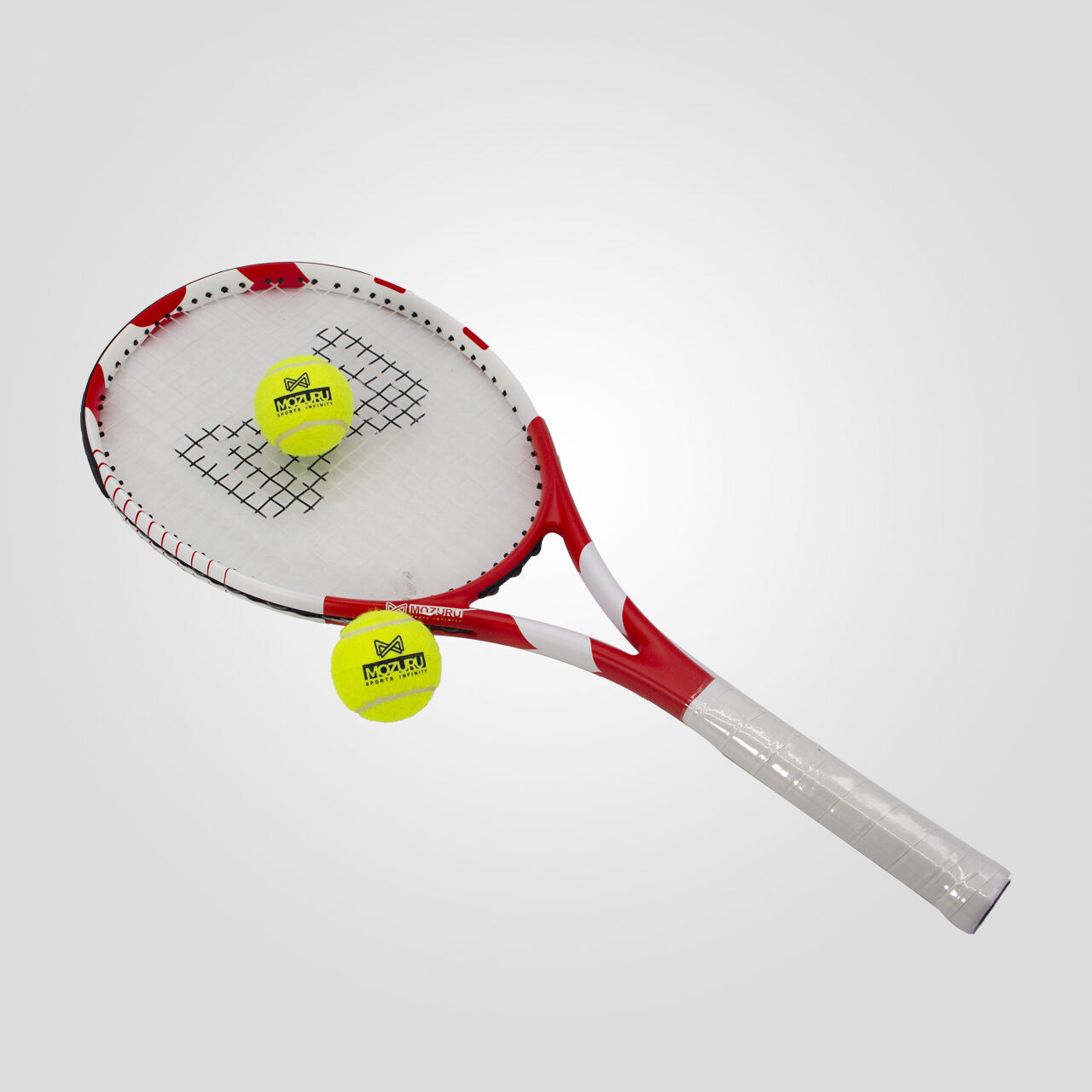
Kisasa racket ya tenisi teknolojia si tu kuhusu kufanya bidhaa kuwa mfupi zaidi au imara zaidi. Inawakilisha ukubaliano wa sayansi ya vitu, uchunguzi wa aerodinamiki, na utafiti wa tiba ya michezo, yote yanayotumika kwa lengo la kusaidia wachezaji kupiga kwa usawa zaidi, kuzalisha nguvu kubwa zaidi kwa juhudi ndogo zaidi, na kudumisha afya ya mwili kwa muda mrefu katika kazi zao. Makala hii huuchunguza njia maalum ambazo kuboresho hii hujitengeneza kwa jinsi ambavyo wachezaji wanabadilika — kutoka kwa wachezaji wa kwanza wa watoto hadi wachezaji wa kisasa wanaotafuta faida yoyote kwenye uso lolote.
Kurevolusha ya Vitu Iliyosababisha Mpira wa Kiroho wa Kisasa
Jinsi Bara ya Kaboni Ilivyobadilisha Kila Kitu
Uhamisho kutoka kwa viframu vya aluminium na barafu ya glasi hadi viframu vya karboni ya kimoja cha juu vya kujumuisha vimekuwa moja ya mafanikio muhimu zaidi katika racket ya tenisi historia. Nyuzinyuzi za kaboni hutoa uwiano wa kipekee wa nguvu-kwa uzito, ikimaanisha kuwa watengenezaji wanaweza kujenga fremu ambazo ni nyepesi na ngumu zaidi kwa wakati mmoja kuliko watangulizi wao. Kwa wachezaji wanaoendelea, hii ni muhimu sana kwa sababu fremu nyepesi hupunguza uchovu wa mkono wakati wa mazoezi marefu, ikiruhusu marudio zaidi na uimarishaji wa ujuzi haraka.
Vifurushi vya kaboni pia vinasaidia watafiti kufanya sehemu za uvimbe na uwezekano wa kubadilika kwa kina kwenye sehemu maalum za mfumo ambapo zinahitajika zaidi. Sehemu karibu na kichwa kinaweza kubadilishwa kidogo katika mabeba ya nje ya kituo cha kuvunja, kujaza vibaya, wakati ringi inabaki imara kutosha ili kudumisha ustahili wa kuvunja kamba wakati wa kuvunja mpira kwa usahihi. Kiwango hiki cha udhibiti kwenye racket ya tenisi ulikuwa haupangwi kabisa kwa matukio ya awali, na hukusaidia wachezaji wanaojaribu kujifunza kushika kituo cha kikamilifu (sweet spot) kwa usahihi kila wakati.
Wakati barabara ya kaboni inapowekwa kama muundo wa umoja — maana yake kushoto, kipande cha kati, na kichwa kinatengenezwa kama sehemu moja iliyoendelea — usambazaji wa vibaya kutoka kwenye mizani hadi mkono unapungua kwa kiasi kikubwa. Wachezaji wadogo hawajali zaidi kwa majeraha ya kufanya kazi mara kwa mara, na ubunifu bora wa kaboni unaounganisha racket ya tenisi hujitumia kama safu ya kweli ya ulinzi wa kimwili, si tu kifaa cha utendaji. La racket ya tenisi miongozo ambayo hutumia mtazamo huu wa kaboni unaounganisha yanavyopendwa zaidi katika miradi ya kuboresha kwa njia ya mpangilio kwa sababu hii yenyewe.
Ukubwa wa Kipande na Ushirikiano Wake katika Kuendeleza Wachezaji
Pembe ya chaguo la vitu vya msingi, ukubwa wa kipande cha racket ya tenisi kipande cha kuchimbua (frame) kina jukumu la muhimu sana katika kufomu jinsi mchezaji anavyopandaa teknik yake. Ukubwa wa kichwa ni mfano mzuri zaidi wa hoja hii. Kipande cha kichwa kikubwa (oversized head frames), ambacho kilikuwa na uwezekano wa kuuzwa baada ya vinyozi vya kaboni kufanya kuvimba kwa ukubwa mkubwa kuwa kinachoweza kufanyika kwa kisasa, kinaongeza kwa kiasi kikubwa eneo la kuchimbua linayofaa. Kwa wanzani na wachezaji wa kati, hii inamaanisha moja kwa moja kuongeza uwezekano wa kupata matokeo bora za mguu wa mcheza na kujenga imani kwa haraka — mambo mawili ambayo yanafanya msingi wa kisikilizi wa maendeleo ya mchezaji yenye ustawi.
Upana wa kipande (beam width) ni sababu nyingine ya kijiometria ambayo wamalizi na wachezaji wanayatengeneza makini zaidi. Upana mkubwa wa kipande unazidisha nguvu ya kipande, ambayo kisha huhamisha nishati zaidi kutoka kwenye misumari nyuma ya mpira wakati wa uvunaji. Wamalizi wanaofundisha wachezaji ambao hawajaweza kuzalisha nguvu kutoka kwenye mguu wao mara nyingi hupendekeza kipande chenye upana mkubwa racket ya tenisi kama daraja la maendeleo, liwezeshe wachezaji hao kujadili hisia ya kuwasilisha maballu ya kuzungumzia kabla ya teknik zao kushiriki kabisa. Mbinu hii inawezesha uhamisho wa juu na kupunguza udhuru uliofanana na kufa kwa hamu ambalo mara nyingi husababisha wachezaji kuchoma mchezo wakati wa vikwazo muhimu vya maendeleo.
Teknolojia ya Kuvua na Maendeleo ya Hisia na Uliwahi
Jinsi Mifumo ya Kuvua Huathiri Mchezo wa Mchezaji
Ushirikiano kati ya racket ya tenisi kisanduku na kituo cha kuvua chake ni mahali ambapo sehemu kubwa ya ucheshi wa kweli wa vifaa vya tenisi ya kisasa vinatokea. Mfumo wa kuvua — idadi ya kuvua kuu na ya msalaba pamoja na umbali kati yao — huathiri moja kwa moja uwezekano wa kuzungumzia, uwajibikaji, na hisia ya 'kupakia' ambayo wachezaji wengi huyadhihiri wakipiga maballu yenye usahihi kamili. Mifumo ya kuvua ya wazi, yenye kuvua chini na umbali mkubwa kati yao, hutoa fursa ya maballu kuingia kina zaidi katika kituo cha kuvua, kuzalisha zaidi ya kuzungumzia bila hitaji la uhakika wa juu kutoka kwa mchezaji.
Kwa wachezaji wanaoendelea katika hatua ya maendeleo, upatikanaji wa kuzunguka ni muhimu sana. Kuzunguka kwa mbele (topspin) ni msingi wa kijeshi cha kucheza kwa njia ya kudumu na kushambulia kwenye mstari wa msingi, na kusaidia mwanachizi mchanga kujisikia hilo mapema — kupitia kuvutwa kwa njia sahihi, racket ya tenisi — hupitisha haraka mafunzo yao ya kijeshi na ya kifani pamoja. Walimu mara nyingi hutumia chaguo la mtiririko wa kuvutwa kama chombo cha kufundisha kwa makusudi, kubadilisha kulingana na hatua ambayo mwanachizi amefikia katika mchoro wa maendeleo yake badala ya kuchagua rahisi ile iliyotolewa pamoja na kipande.
Maendeleo ya Vitu vya Kuvutwa na Athari Zao kwa Afya ya Mwanachizi
Vitu vya kuvutwa vya kisasa vimeendelea zaidi ya vitu vya asili (natural gut) na nyiloni rahisi. Vitu vya kuvutwa vya polyester ya kimoja, vya kawaida (co-polyesters), na vya mchanganyiko (hybrid) vinatoa wachezaji udhibiti wa kina jinsi ya kuvutwa kwa racket ya tenisi hufanya kazi kwa kuzingatia uwezo wa kurudisha nguvu, muda wa kusimama, na kumsumbua vibarubaru. Kutoka kwa mtazamo wa maendeleo ya mchezaji, uchaguzi wa misumari una athari kubwa na mara nyingi haikuchukuliwa kwa uhakika juu ya afya ya mikono. Misumari ya polyeshter iliyopandwa kwa shinikizo la juu inaweza kuongeza usambazaji wa vibarubaru, ambayo kwa muda mrefu huchangia ugonjwa wa epikondilitis ya upande — uliojulikana kwa jina la "tenisi elbow" — hasa kwa wachezaji ambao tekniki yao bado inaendelea na ambao bado hawajafanikiwa kufunga mpira kwa kutumia mbinu bora zaidi.
Mipango inayozingatia maendeleo yanavyoongezeka yanapaswa kushauri wachezaji kutilia misumari ya soft multifilament au misumari ya aina ya hybrid katika racket ya tenisi wakati wa miaka ya mafunzo ya kuanzisha, na kuhifadhi misumari ya polyeshter iliyopandwa kwa shinikizo la juu kwa muda baadaye unapoanza kujifunza mafunzo ya kimwili na tekniki ili kujitumikia vibarubaru vya ziada. Hii inawakilisha kuingiliana kwa maana ya sayansi ya vifaa na ustawi wa mchezaji — jambo ambalo wamalizi, wazazi, na wachezaji wote wanapaswa kuelewa badala ya kuiachia kwa bahati au mapenzi ya kawaida.
Ugawaji wa Uzito na Ushirikisho Wake kwenye Maendeleo ya Mwendo wa Kupiga
Makadirio ya Usawa na Uzito wa Mwendo Umeulizwa
Moja ya mada zinazotumika kwa undani zaidi ya racket ya tenisi teknolojia ni dhana ya uzito wa mwendo — kipimo kinachodhihirisha jinsi ya uzito wa mchanga unavyoonekana wakati unapopigwa, badala ya kusema tu jinsi ya uzito wake wakati unapokaa kimya. Mchanga mawili yenye uzito wa kawaida sawa yanaweza kuonekana tofauti sana wakati wa kupiga ikiwa uzito wao umegawanywa tofauti kwenye mfumo. Mchanga wenye kichwa kizito racket ya tenisi hukusanya uzito zaidi karibu na kichwa cha mzunguko, ambalo huongeza uzito wa mwendo na kuzalisha mafanikio zaidi katika mikono ya chini, lakini hutoa hitaji la nguvu zaidi ya mkono na inaweza kuwa ngumu zaidi kuyasonga kwa mikono ya haraka na kwa kupiga.
Mifumo ya kichwa kihafifu inakusanya uzito katika kichwa cha mkono na shahada, ikipunguza uzito wa mwendo na ifanye racket ya tenisi haraka zaidi katika kuongezeka. Kwa wachezaji wa vijana ambao bado wako katika mchakato wa kukuza kimwili, mishale ya kichwa-nyembamba inapunguza mzigo na kuwezesha maendeleo ya haraka ya kuchoma bila kufanya uvivu wa udhibiti. Mbinu za kuzisasa za uzalishaji zinazotumia viungo vya karboni vinawezesha watawala kusimamia vituo vya usawa kwa uhakika mkubwa, ikatoa chaguzi muhimu zaidi kwa walimu na wachezaji wakati wa kuchagua vifaa vinavyolingana na hatua ya sasa ya kimapokezi na kihistoria ya mchezaji badala ya kuchagua kwa kutumia tu marekebisho ya ufanyuzi wa kushiriki.
Jinsi Ya Kuimarisha Mabwana Ya Maendeleo Ya Kibinafsi
Uwezo wa kutayarisha kwa racket ya tenisi kupitia kisahani cha chuma cha uradi, vifungo vya kupunguza vibaya, na mabadiliko ya ukubwa wa sehemu ya kushika inamaanisha kwamba zana hizi zinaweza kubadilika pamoja na mchezaji, badala ya kumfanya mchezaji ambadilishe mtindo wake unaouzindua ili kufanana na zana moja tu iliyowekwa. Kuongeza kiasi kidogo cha kisahani cha chuma cha uradi kwenye kipande cha mzunguko kinaweza kubadilisha usawa na kuongeza ustabili dhidi ya mpira yenye nguvu, ambayo ni muhimu kwa wachezaji wanaouzindua ambao wameanza kushiriki katika mashindano dhidi ya marafiki wenye nguvu zaidi. Kukagua vifungo vya kupunguza vibaya ili kupata maoni zaidi ya vibaya vya kuvutia vinaweza kusaidia mchezaji mwenye ujuzi wa kuteknolojia kuboresha uelewa wake wa nafasi ya mpira unapopata kwenye kipande cha kucheza.
Ukumbusho huu wa kubadilisha kwa kina, uliowezekana kwa sababu ya uhandisi wa kina uliomo nyuma ya racket ya tenisi vipande vya sasa, unareflekta falsafa kubwa zaidi katika uboreshaji wa mchezaji wa sasa: kwamba zana za kucheza zinapaswa kuhudumia mwelekeo wa mchezaji binafsi badala ya kuyafafanua. Vyuo vya kucheza vilivyoelimisha wanafunzi wao kuhusu ubadilishaji wa vipande vinatengeneza wachezaji wenye uelewa wa juu kuhusu zana za kucheza, ambao huumiza faida ya kutamka maamuzi kwa muda mrefu katika miaka yao ya kucheza.
Ufikiaji Unaotokana na Teknolojia na Kuongeza Maendeleo ya Wachezaji Duniani
Jinsi Uboreshaji wa Utengenezaji Umepunguza Vizingiti
Moja ya madhara ya teknolojia yanayozungumziwa chini zaidi lakini ya muhimu sana ni racket ya tenisi jinsi maendeleo katika ufanisi wa utengenezaji yamefanya miongozo ya utendaji wa juu kuwa rahisi zaidi kwa watumiaji wengi duniani. Mbinu za kuchimbua kwa usahihi za viframu vya karboni, ambavyo zamani zilikuwa ghali sana kuzalisha, zimekuwa rahisi zaidi kama teknolojia imeendelea, ikileta vifaa vya ubora wa juu kwenda kwenye vikomo vya bei ambavyo zamani vilikuwa vikomo pekee vya viframu vya aluminium vya kuanza. Uwazi huu una maana kwamba wachezaji wadogo katika soko la tenisi la nchi zinazoendelea sasa wanaweza kupata racket ya tenisi vifaa vinavyomsumbua maendeleo yao kwa kweli badala ya kuzuia kwa kutumia nguvu isiyo sawa na vibarabara vingi.
Wakati wachezaji zaidi wanapata ufikiaji wa vifaa vilivyoundwa vizuri, ubora wa jumla wa mchakato wa kukuza wachezaji unaboresha. Walimu wanaoendelea kufanya kazi na bajeti ndogo sasa wanaweza kuchagua mabuzi ya chuma cha karboni kwa wanafunzi wao bila kuhitaji uweke wa fedha kwenye kiwango cha juu. Upanuzi huu wa ufikiaji unabadilisha mahali ambapo ubunifu wa tenisi unatoka duniani kote, kwa sababu tofauti ya vifaa kati ya miradi inayopewa rasilimali nzuri na yale yanayopewa rasilimali chini inavyopungua.
Jukumu la Teknolojia katika Miradi ya Kukuza Wajuni na WaRekreasi
Miradi ya kukuza wajuni yamekuwa kati ya watumiaji wenye shauku zaidi ya teknolojia-ya-maelezo racket ya tenisi uchaguzi. Mashirika yanayojihusisha na njia za watoto na vijana huwapa mafundishaji maelekezo ya vitu vya kucheza ambavyo yanaangazia uzito wa chombo kwa umri, ukubwa wa kichwa, na mgandamizo wa mikwaju — kama vile uchaguzi wa chombo cha kucheza unachukuliwa kama jambo la muhimu sana la kukuza badala ya kuichukua kama jambo la pili. Matokeo ni kwamba wachezaji wadogo huanzishwa katika mchezo huu kwa vitu vya kucheza vinavyotolewa kulingana na uwezo wao wa kimwili, ambavyo hupunguza idadi ya majeruhi ya awali na kufa kwa mchezo wakati mwingine pia hukusanya kipindi cha kujifunza.
Programu za kukuza wazee wenye mchezo wa kufurahia zinatumia mawazo sawa, kuzingatia kwamba mchezaji anayerudi tenisi baada ya miaka mingi au anayeanza kucheza kwa mara ya kwanza katika ustaarabu atakuwa na maendeleo ya haraka na atafurahia mchezo zaidi pale anapopewa chombo racket ya tenisi imeundwa kwa ajili ya hatua yao ya sasa badala ya ushirikiano wa juu. Teknolojia imepa mafundisho lugha na zana za kufanya mapendekezo haya ya kibinafsi kwa ujasiri, na matokeo yanaweza kuhesabiwa katika kiwango cha kudumisha wachezaji na kuboresha.
Maswali Yanayoulizwa Mara kwa Mara
Je, raketu ya tenisi yenye karboni imefungwa kwa namna gani kufaidi wachezaji wanaopanda?
Imefungwa kwa karboni racket ya tenisi hutoa muundo wa kipande cha kawaida ambacho kinaupunguza vibarabara vinavyotumwa kwenye mikono na mkono, ikidharaua wachezaji wanaopanda kutoka kwa majeraha ya kushindwa mara kwa mara. Pia inatoa uwekewe wa kawaida wa kujitokeza kote kwenye kipande, ambacho kinasaidia wachezaji kujifunza hisia ya kudumu ya kuwasiliana na mpira — sehemu muhimu ya kujifunza ujuzi wa kifahari wakati wa miaka ya mafunzo ya msingi.
Je, raketu ya tenisi ya kubwa au ya mfupi ni bora zaidi kwa maendeleo ya mchezaji?
Hakuna kategoria ya uzito ya kamili ambayo ni bora zaidi kwa jumla; jibu la sahihi linategemea umri wa mchezaji binafsi, nguvu za mwili, na hatua ya kifahari. Kwa ujumla, raketu za mfupi na zenye kichwa cha mfupi racket ya tenisi ramani hizi zinafaa kwa wachezaji wadogo na wanaopanda kwa sababu zinapunguza uchovu na kuleta maendeleo ya kasi ya kuchoma haraka. Kama wachezaji hupanda kimwili na kihistoria, kubadilisha kwa hatua kuwa na ramani zenye uzito wa kuchoma kidogo zaidi unaweza kukuza nguvu ya mabegua bila kuharibu teknikis ya msingi ambayo wamejenga.
Je, mgawanyo wa mikwaju katika ruketi ya tenisi inaathiri maendeleo ya mchezaji kweli?
Ndiyo, mgawanyo wa mikwaju una athari moja kwa moja na ya maana kwenye maendeleo. Mgawanyo mdogo katika racket ya tenisi hutengeneza kituo cha mikwaju kinachopandwa kwa urahisi, ambacho kinapongeza muda wa kukaa, kuzalisha nguvu zaidi kwa juhudi ndogo za kuchoma, na kupunguza mzigo wa mkono. Kwa wachezaji wanaopanda bado wakiunda mbinu za kuchoma, mgawanyo mdogo unawawezesha kujaribu kushinda mpira mapema, ambalo hunyakua imani yao. Mgawanyo makuu ni ya kufaa zaidi kama wachezaji hupanga kasi ya kichwa cha ruketi na wanahitaji udhibiti zaidi juu ya mabegua yao yanayotumia nguvu tayari.
Lini mchezaji anayopanda anapaswa kuboresha teknolojia ya ruketi ya tenisi yake?
Mchezaji anayokuwa katika mchakato wa kuendelea kushinda anapaswa kufikiria kuboresha racket ya tenisi wakati rafu yake ya sasa mara kwa mara inalindua utendaji wake au inachangia uchovu wa kimwili, badala ya kufuata mpangilio wa wakati uliothibitishwa. Ishara maalum zinajumuisha kupigwa kwa nguvu ya juu (topspin) kwa mguso, kuchukua uchovu wa mikono au maumivu wakati wa mafunzo ya kawaida, au kugundua kwamba pigo la nje ya kituo cha kati linasababisha upotezaji mkubwa wa mwelekeo. Kufanya kazi pamoja na mwalimu mwenye maarifa kuthibitisha ishara hizi husaidia kuhakikisha kwamba mabadiliko yoyote ya mifumo ya kucheza yanausaidia badala ya kuvuruga mwendo wa kukuza wa mchezaji.
Orodha ya Maudhui
- Kurevolusha ya Vitu Iliyosababisha Mpira wa Kiroho wa Kisasa
- Teknolojia ya Kuvua na Maendeleo ya Hisia na Uliwahi
- Ugawaji wa Uzito na Ushirikisho Wake kwenye Maendeleo ya Mwendo wa Kupiga
- Ufikiaji Unaotokana na Teknolojia na Kuongeza Maendeleo ya Wachezaji Duniani
-
Maswali Yanayoulizwa Mara kwa Mara
- Je, raketu ya tenisi yenye karboni imefungwa kwa namna gani kufaidi wachezaji wanaopanda?
- Je, raketu ya tenisi ya kubwa au ya mfupi ni bora zaidi kwa maendeleo ya mchezaji?
- Je, mgawanyo wa mikwaju katika ruketi ya tenisi inaathiri maendeleo ya mchezaji kweli?
- Lini mchezaji anayopanda anapaswa kuboresha teknolojia ya ruketi ya tenisi yake?