
 EN
EN
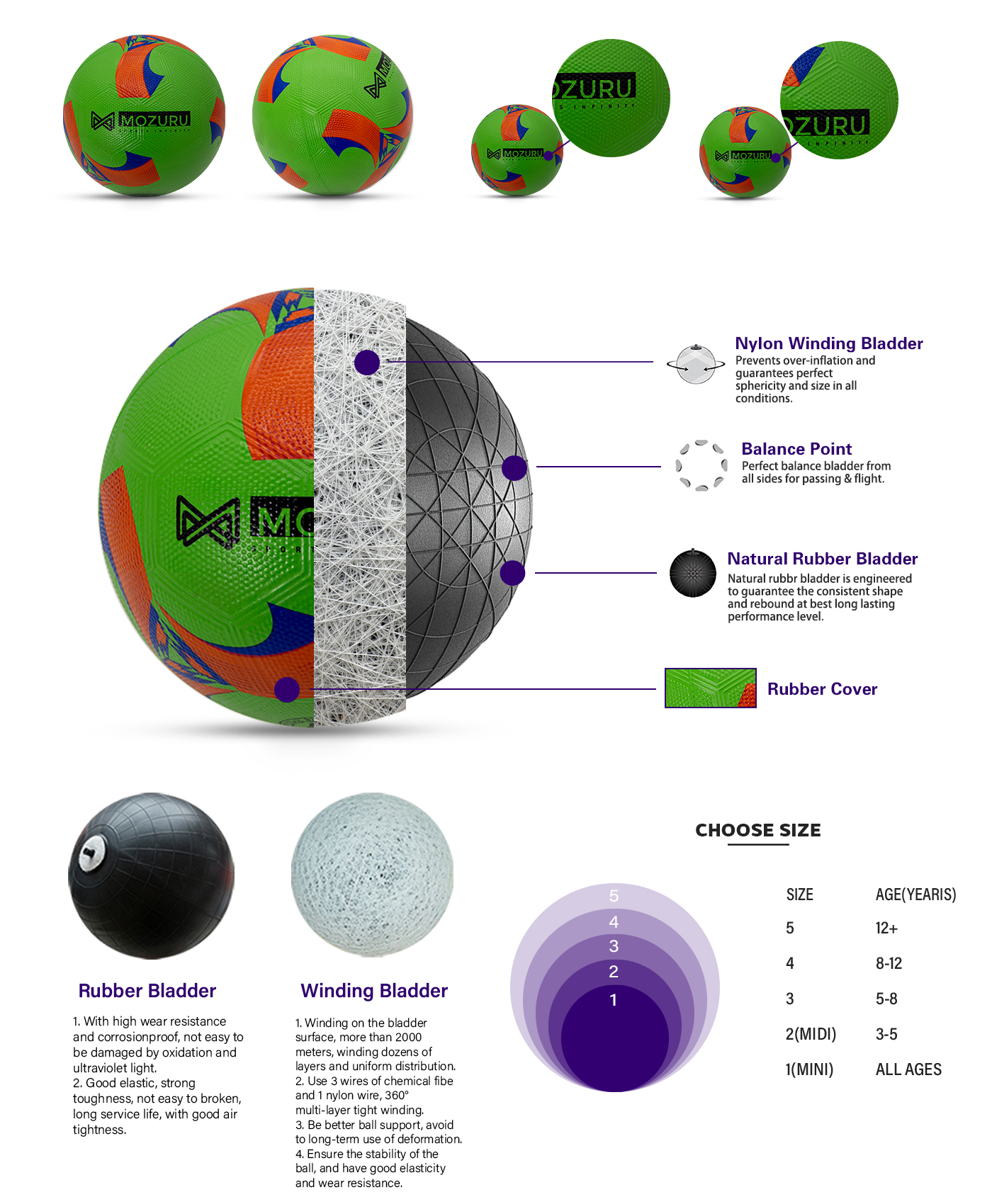
الاعتبارات الأساسية لشراء كرة القدم استيراد المعدات
العالمي كرة القدم يستمر سوق الاكسسوارات في التوسع بسرعة، مدفوعًا بزيادة المشاركة في اللعبة والطلب المتزايد على المعدات ذات الجودة. بالنسبة للمستوردين الذين يدخلون مجال شراء اكسسوارات كرة القدم بكميات كبيرة، فإن فهم معايير التقييم الرئيسية أمر بالغ الأهمية للنجاح. يستعرض هذا الدليل الشامل العوامل الحيوية التي تؤثر على قرارات الشراء بالجملة ويساعد المستوردين على التنقل في مشهد التوريد المعقد.
تقييم الجودة ومعايير المنتج
مواصفات المواد واختبارات المتانة
عند شراء اكسسوارات كرة القدم بكميات كبيرة، تُعد جودة المواد حجر الزاوية في تقييم المنتج. وتضمن المواد عالية الجودة عمرًا أطول وأداءً أفضل، مما يؤثر بشكل مباشر على رضا العملاء واستمرار التعامل معهم. ويجب على المستوردين فحص تركيب المواد المستخدمة في الكرات، والأقماع التدريبية، وواقيات الساق، وغيرها من الإكسسوارات. كما يجب أن تؤكد بروتوكولات اختبار المتانة أن المنتجات قادرة على تحمل الاستخدام المكثف في ظل ظروف طقس مختلفة.
توفر نتائج الاختبارات المخبرية ووثائق الشهادات دليلاً ملموسًا على معايير الجودة. ويجب على المستوردين طلب مواصفات المواد التفصيلية وتقارير الاختبار من المصنّعين، خصوصًا بالنسبة للطلبات ذات الحجم الكبير. ويساعد هذا الاهتمام الدقيق في الوقاية من المشكلات المتعلقة بالجودة التي قد تترتب عليها تكاليف باهظة بعد الشراء، ويحافظ على سمعة العلامة التجارية في السوق.
التوافق مع المعايير الدولية
يجب أن تفي إكسسوارات كرة القدم بمعايير دولية محددة ومتطلبات سلامة معينة. فالمعدات المعتمدة من قبل الفيفا تحظى بأهمية خاصة في السوق، في حين أن شهادات أخرى مثل علامة CE للأسواق الأوروبية أو معايير ASTM لأمريكا الشمالية تعتبر بنفس القدر من الأهمية. ويتعين على المستوردين التحقق من أن شراء إكسسوارات كرة القدم بالجملة يتماشى مع المتطلبات التنظيمية السارية في الأسواق المستهدفة.
يجب مراجعة وثائق اختبارات الامتثال والشهادات بدقة قبل إتمام الطلبات الجماعية. ويشمل ذلك التحقق من متطلبات الوسم الصحيحة، والتحذيرات الأمنية، ومعلومات المنتج التي تتوافق مع اللوائح المحلية للسوق.
تقييم المورد وقدرات التصنيع
تقييم الطاقة الإنتاجية
يُعد فهم قدرة المصنع على الإنتاج أمراً بالغ الأهمية لترتيبات الشراء الجماعي الناجحة للإكسسوارات الكروية. يجب على المستوردين تقييم قدرة المصنع على التعامل مع الطلبات ذات الحجم الكبير مع الحفاظ على جودة متسقة. ويشمل ذلك تقييم كفاءة خط الإنتاج، وحجم القوى العاملة، والقدرات التكنولوجية.
توفر تدقيقات المصانع رؤى قيمة حول عمليات الإنتاج وتدابير ضبط الجودة. يجب على المستوردين فحص سجل المصنّع في التعامل مع طلبات مماثلة وقدرته على الوفاء بجداول التسليم. كما يجب أخذ الالتزامات الحالية بالإنتاج والتقلبات الموسمية في الطاقة الاستيعابية بعين الاعتبار عند التقييم.
أنظمة ضبط الجودة
تُعد أنظمة التحكم في الجودة القوية ضرورية للحفاظ على معايير المنتجات في التصنيع على نطاق واسع. يجب على المستوردين تقييم بروتوكولات إدارة الجودة لدى المورد، بما في ذلك إجراءات الفحص وأساليب اكتشاف العيوب وعمليات التصحيح. ويُظهر توثيق إجراءات التحكم في الجودة وتقارير التدقيق الدورية التزام المصنّع بالحفاظ على معايير عالية.
يمكن أن توفر خدمات التفتيش على الجودة من جهات خارجية ضمانًا إضافيًا لطلبات الشراء الكبيرة لإكسسوارات كرة القدم. وتساعد هذه التقييمات المستقلة في التحقق من أن المنتجات تستوفي المتطلبات المحددة قبل الشحن، مما يقلل من خطر استلام بضائع دون المستوى المطلوب.
استراتيجية التسعير وتحليل التكلفة
نماذج التسعير القائمة على الحجم
يتطلب تطوير استراتيجية تسعير فعالة تحليلًا دقيقًا للخصومات القائمة على الحجم وكميات الطلب الدنيا. يجب على المستوردين التفاوض على هياكل تسعير متدرجة تعكس وفورات الحجم مع الحفاظ على جودة المنتج. ويساعد فهم العلاقة بين حجم الطلب وتكلفة الوحدة في تحسين قرارات الشراء.
يجب أن تأخذ مقارنات التكاليف بين الموردين المختلفين بعين الاعتبار ليس فقط الأسعار الفردية، بل التكاليف الإجمالية عند الوصول. وتشمل هذه التكاليف الشحن والرسوم الجمركية والتأمين ونفقات أخرى مرتبطة بها تؤثر على التكلفة النهائية لطلبات شراء إكسسوارات كرة القدم بالجملة.
شروط الدفع والاعتبارات المالية
يمكن أن تؤثر شروط الدفع المواتية تأثيرًا كبيرًا على إدارة التدفق النقدي للطلبات الكبيرة. ويجب على المستوردين التفاوض بشأن جداول دفع توازن بين متطلبات المورد وقدراتهم المالية الخاصة. وقد تشمل هذه الجداول دفعات مرحلية أو كفالات بنكية أو أدوات مالية أخرى توفر ضمانًا للطرفين.
يجب أخذ تقلبات العملات وتكاليف المعاملات الدولية في الاعتبار عند التخطيط المالي. قد تستفيد العقود الطويلة الأجل من استراتيجيات التحوط ضد العملات للحماية من تقلبات أسعار الصرف.
اللوجستيات وإدارة سلسلة التوريد
تخطيط الشحن والنقل
تُعد إدارة اللوجستيات الفعالة أمرًا بالغ الأهمية لعمليات شراء إكسسوارات كرة القدم بكميات كبيرة. يجب على المستوردين تقييم خيارات الشحن وأوقات النقل وتكاليف النقل لتحسين جداول التسليم. ويشمل ذلك اختيار طرق الشحن المناسبة بناءً على مدى إلحاح الطلب، والاعتبارات المتعلقة بالتكلفة، وإدارة المخاطر.
يؤثر استخدام الحاويات وكفاءة التعبئة والتغليف بشكل مباشر على تكاليف النقل. ينبغي على المستوردين التعاون مع الموردين لتحسين تصميمات التعبئة والتغليف وترتيبات التحميل من أجل الاستفادة القصوى من مساحة حاويات الشحن مع ضمان حماية المنتجات.
استراتيجيات إدارة المخزون
تتطلب إدارة المخزون الفعالة تخطيطًا دقيقًا لكميات الطلبات وجدول التسليم. يجب على المستوردين تطوير نماذج تنبؤية تأخذ في الاعتبار التغيرات الموسمية في الطلب والاتجاهات السوقية. ويساعد ذلك في تحسين مستويات المخزون وتقليل تكاليف التخزين مع ضمان توفر المنتجات.
يجب تقييم سعة المستودعات وشبكات التوزيع للتعامل بكفاءة مع الشحنات بالجملة. ويشمل ذلك النظر في متطلبات التخزين، واحتياجات معدات المناورة، وقدرات التوزيع لضمان استمرارية العمليات في سلسلة التوريد.
الأسئلة الشائعة
ما هي الكمية الدنيا للطلب الخاصة بإكسسوارات كرة القدم بالجملة؟
تختلف الكمية الدنيا للطلب حسب المورد ونوع المنتج، وغالبًا ما تتراوح بين 500 و5000 وحدة لكل صنف. قد يوفر بعض المصنّعين مرونة في شروط الكمية الدنيا للطلب بالنسبة للطلبات المختلطة أو العلاقات التجارية المستقرة. من المهم مناقشة هذه الشروط خلال المفاوضات الأولية مع المورد.
كيف يمكن للمستوردين التحقق من أهلية الموردين وقدراتهم التصنيعية؟
بإمكان المستوردين التحقق من الموردين عبر قنوات متعددة، تشمل عمليات تدقيق المصانع، والتحقق من سجلات الشركات، والتحقق من المراجع مع العملاء الحاليين. كما يمكن لخدمات التفتيش الخارجية التحقق من قدرات التصنيع وأنظمة مراقبة الجودة.
ما هي شروط الدفع القياسية الخاصة بطلبات معدات كرة القدم بالجملة؟
تشمل شروط الدفع الشائعة دفعة أولى بنسبة 30٪ مع رصيد 70٪ قبل الشحن، أو ترتيبات اعتماد بنكي. قد تختلف الشروط حسب قيمة الطلب، وعلاقات المورد، والشروط المتفاوض عليها. قد يواجه المستوردون الجدد متطلبات دفع أكثر صرامة حتى يتم إثبات سجلهم.
كم يستغرق عادةً من الوقت لإتمام طلبات إكسسوارات كرة القدم بالجملة؟
تتراوح أوقات تسليم الإنتاج عادةً بين 30 و60 يومًا، حسب حجم الطلبية وتعقيدها. وتستغرق أوقات الشحن إضافة إلى ذلك من أسبوعين إلى ستة أسابيع حسب الوجهة وطريقة الشحن. ويمكن أن يؤثر الطلب الموسمي على جداول الإنتاج، لذا فإن التخطيط المبكر أمر ضروري.