
 EN
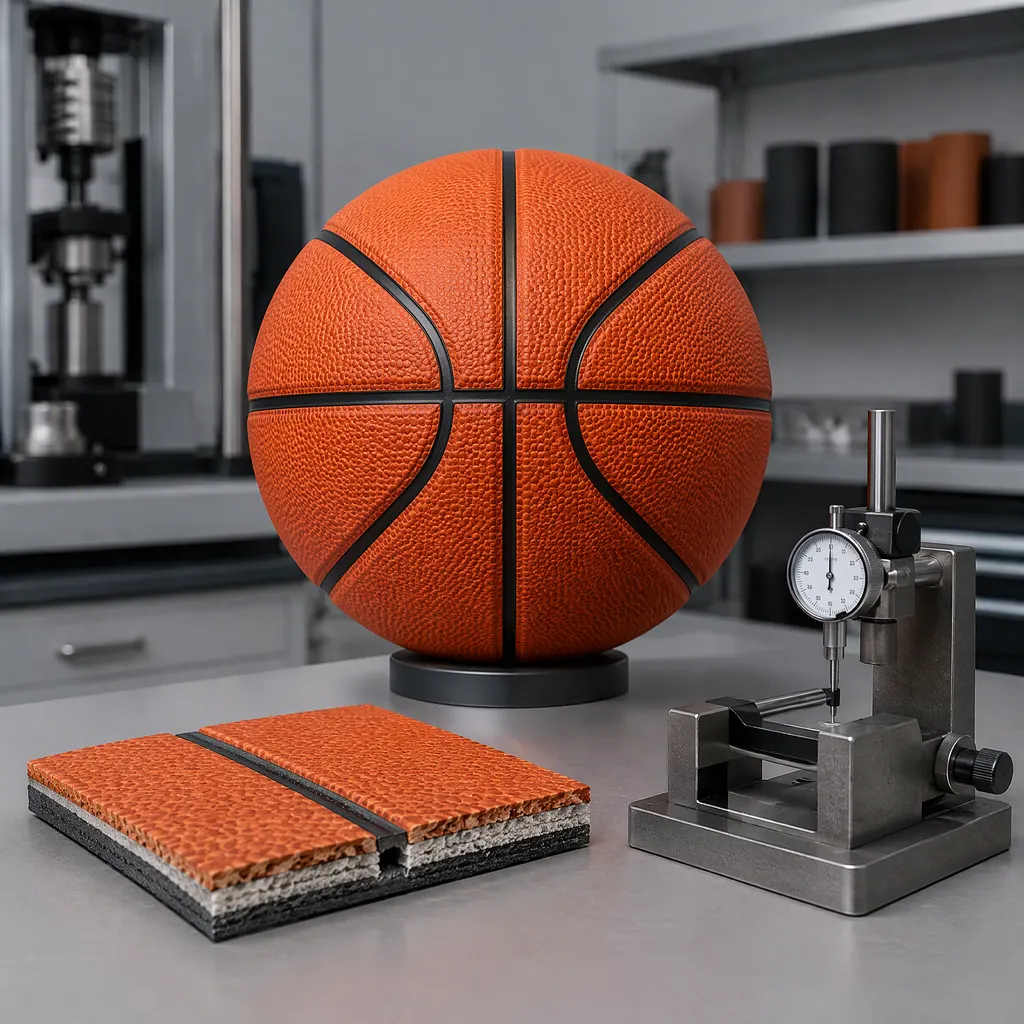
How Basketball Grooves Affect Grip and Control
Basketball grooves are more than visual lines on the cover. Their width, depth, spacing, edge shape, and relationship with the surrounding texture can influence how a player receives, dribbles, passes, and releases the ball. For B2B buyers, groove design should be reviewed together with cover material, pebble texture, panel construction, inflation, and the intended playing environment. A basketball with attractive graphics but poorly controlled grooves may create inconsistent handling and unnecessary quality complaints.
The right groove pattern is not identical for every product. A premium indoor ball may prioritize a refined hand feel and precise finger contact, while a training or outdoor model may need a more wear-tolerant surface. Manufacturers can adjust the mold, coating, panel material, and finishing process, but each change affecting basketball grooves should be checked on a physical sample. This guide explains how basketball grooves affect grip and how buyers can include the topic in a practical sourcing specification.
What basketball grooves do on the surface
Basketball grooves divide the ball into functional surface areas and give the fingers natural contact channels. During dribbling, the hand does not touch only the raised pebble texture; it also crosses basketball groove edges and valleys. Those transitions can affect the amount of friction a player feels and the way the ball leaves the fingertips. Consistent basketball groove geometry helps the ball feel predictable from one panel area to another. For a buyer, basketball grooves are therefore part of the handling specification, not merely a decorative feature.
Basketball grooves also interact with the ball's overall surface texture. A fine pebble pattern may offer a controlled touch around the grooves, while a deeper or sharper pattern can create a more pronounced tactile response. The result depends on material hardness, coating, panel tension, and inflation condition. Buyers should therefore avoid evaluating basketball grooves as an isolated decoration. The complete surface system is what the user experiences.
Groove depth, width, and finger contact
Groove depth changes how clearly the fingers locate the channels during handling. Shallow grooves can create a smoother transition across the surface and may suit products designed for a soft, refined feel. Deeper grooves can provide stronger reference points, but excessive depth may make the surface feel uneven or collect dirt more easily. Width also matters because a narrow channel and a broad channel distribute finger pressure differently. These basketball grooves variables should be agreed during sample approval.
For procurement, the useful question is not whether a groove is deep or shallow in general. The question is whether the selected geometry matches the player group, court, cover material, and price position. Ask the factory to provide a sample with the intended mold and coating rather than relying on a catalog photograph. Compare catching, fingertip control, passing, and release using the same inflation procedure for every sample.
How grooves influence basketball grip
Basketball grip comes from the combined effect of surface texture, material friction, moisture, pressure, and contact force. Grooves can support control by giving the fingers repeatable edges, but they cannot compensate for a cover that becomes slippery when wet or loses texture quickly. A well-designed groove pattern should work with the pebble surface instead of creating abrupt areas with noticeably different traction.
Test grip in conditions that represent real use. Indoor club products may be evaluated with clean and slightly damp hands in a controlled gym. Outdoor models should also be reviewed after exposure to dust and rough court contact. Record whether the hand can maintain control during a stationary dribble, a direction change, a quick pass, and a catch after movement. These observations are more useful than a general claim that the ball has a high-grip surface.
Grooves, moisture, and cleaning
Grooves can influence how moisture and contamination remain on the surface. Sweat may collect along lower areas, while dust can settle in channels that are difficult to clean with a quick wipe. This does not mean that deeper grooves are unsuitable. It means the cover, coating, texture, and care instructions must be evaluated together. A product sold to schools or training programs should have a cleaning method that staff can follow without damaging the surface.
During sample review, inspect the ball before and after cleaning. Check whether the groove edges remain sharp, whether the coating becomes dull, and whether the surface retains its intended hand feel after drying. If the ball is designed for outdoor use, include representative dirt and abrasion conditions. If the product is positioned as a premium indoor ball, focus on finish consistency, sweat handling, and repeated wiping. Document the cleaning method for basketball grooves so later lots can be compared fairly.
Construction quality and groove consistency
Basketball groove performance depends on manufacturing accuracy. Mold alignment, panel placement, lamination, stitching or bonding, bladder tension, and inflation can all affect the apparent depth and continuity of a groove. A ball may have a suitable groove design but still feel inconsistent if one panel sits higher, a seam shifts, or the cover is stretched unevenly during assembly. This is why basketball grooves geometry should be included in the same inspection plan as roundness, weight, air retention, cover adhesion, and visual finish.
Buyers should inspect grooves under consistent lighting and from several angles. Look for interrupted lines, uneven widths, panel steps, wrinkles, coating buildup, and areas where texture changes unexpectedly. Rotate the inflated sample slowly and compare the groove pattern around the full circumference. For custom programs, approve a physical reference sample and require the factory to control the same material, mold, artwork, and construction method during bulk production.
Matching groove design to the playing environment
A clean indoor wood court places different demands on the cover than asphalt, concrete, or an outdoor composite surface. Indoor products can use a more refined texture when the priority is controlled touch and visual finish. Outdoor products generally need a construction that tolerates abrasion, dirt, temperature changes, and more frequent cleaning. In both cases, basketball grooves should remain usable after the surface has experienced the conditions described in the product brief.
Hybrid products require especially clear communication. A basketball intended for occasional indoor and outdoor use may offer a practical compromise, but it should not be presented as identical to a specialized indoor or outdoor model without supporting evidence. Test grooves, grip, groove wear, bounce, roundness, and cleaning response on both surfaces. Align the product description, packaging, sales materials, and buyer expectations with the actual design. This prevents a mismatch between the basketball grooves feel promised to distributors and the groove behavior experienced by end users.
Writing a groove specification for factory sourcing
A useful groove specification should describe more than a preferred visual style. State the intended basketball grooves pattern, cover material, texture level, construction method, playing surface, and user group. Request a production sample that uses the same mold and surface treatment planned for the order. During approval, compare the groove pattern under consistent light and inflation, then record any differences in width, depth, edge definition, and continuity. If the product will carry custom artwork, inspect whether printing changes the feel around the basketball grooves. For repeat orders, retain the approved sample and identify the material and tooling references that produced it. This gives the factory a practical reference instead of a subjective instruction such as “make the grip better.” It also helps distributors explain why one model is intended for indoor handling while another is built for tougher outdoor use. Good documentation makes basketball grooves easier to control across sampling, production, inspection, and replenishment.
- Define the court surface, user group, climate, and product price position before approving basketball grooves.
- Record basketball grooves width, depth, continuity, texture, coating, and panel construction requirements.
- Inspect grip with dry hands and under the moisture conditions relevant to basketball grooves in use.
- Compare catching, dribbling, passing, release, rebound, and roundness using the same inflation method.
- Review basketball grooves wear, dirt retention, coating change, and cleaning response after a documented trial.
- Approve a physical reference sample and keep production materials traceable to the basketball grooves specification.
Conclusion
Basketball grooves affect how the fingers contact the cover, but basketball grooves are only one part of a complete performance system. Material, pebble texture, coating, moisture response, bladder, panel construction, and manufacturing consistency all shape the final experience. For B2B sourcing, the safest approach is to define the intended use, compare physical samples, document basketball grooves grip and cleaning checks, and approve a repeatable production reference. When basketball grooves geometry and surface material are developed together, buyers can choose a basketball that offers clearer handling expectations and stronger product consistency.