
 EN
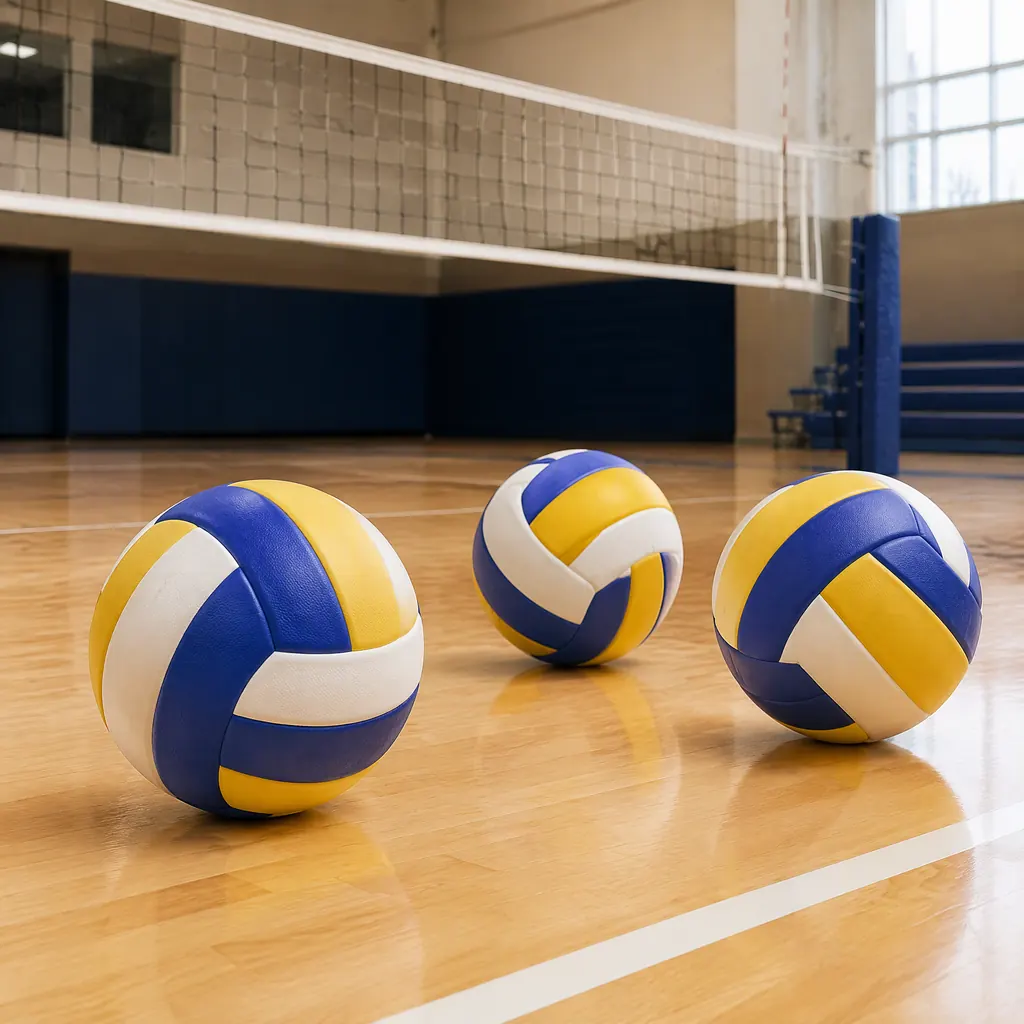
How to Buy Volleyballs for Team Training Programs
Buying team training volleyballs requires more than choosing the lowest unit price. A useful training supply must match the team's age group, practice volume, court surface, handling preference, storage conditions, and replacement plan. Buyers should compare team training volleyballs by size, weight, cover material, panel construction, grip, shape stability, air retention, and expected use. The best purchase is usually a consistent group of balls that coaches can use for repeated drills without large differences in feel or bounce.
Start with the training program requirements
Before requesting a quotation for team training volleyballs, define how the balls will be used. A school program may need affordable volleyballs for daily drills, while a club program may require a more refined touch for setting, serving, and reception practice. A youth program may need a lighter or smaller product that suits its players, while an adult team may prioritize standard handling and durable construction. List the number of players, court count, weekly sessions, indoor or outdoor environment, and expected replacement cycle.
The number of team training volleyballs should support the drills rather than simply match the roster. Coaches may need separate balls for serving stations, passing lines, setting work, blocking drills, and warm-ups. Ask the supplier to quote several quantity levels and explain whether the same construction is maintained across the order. Consistent team training volleyballs are easier to manage because coaches do not need to adjust a drill when one ball feels noticeably harder, softer, heavier, or more slippery. For larger sessions, team training volleyballs should be grouped by construction, team training volleyballs should be marked by use, and team training volleyballs should be checked before each practice.
Select the correct size and specification
Size and weight should be confirmed before comparing materials. The product brief should state the intended player group, approximate circumference, weight range, inflation condition, and color layout. Do not rely only on a generic phrase such as official volleyball because team training volleyballs may serve different age groups and practice goals. A supplier should provide a specification sheet and an approved sample that clearly identifies the construction being quoted.
For team training volleyballs, consistency between samples is as important as the nominal specification. Check whether the balls have a similar circumference, roundness, surface texture, valve position, and rebound response. If the order includes more than one colorway, confirm that the artwork and panel construction do not create different handling characteristics. Record the accepted range in the purchase order so later production can be compared with the same reference. This specification should identify team training volleyballs by size, material, and approved playing feel.
Compare cover materials and playing feel
Cover material affects the touch, grip, appearance, and cleaning response of team training volleyballs. PU can offer a comfortable surface and flexible design options. TPU may be selected when a buyer wants a more structured and wear-tolerant surface. Microfiber or other treated synthetic covers may support a refined touch, but they should be tested under the team's actual handling conditions. The cover name alone does not determine performance because coating, backing, texture, panel tension, and inflation also matter.
Ask for physical team training volleyballs rather than approving only photographs. Test a forearm pass, overhead set, controlled serve, and repeated hand contact. Compare dry handling with the slightly damp conditions that may occur during long practices. Check whether the cover becomes slick, whether the texture remains uniform, and whether the ball is comfortable after repeated contact. A material that feels premium in a product description may not be the best choice for a high-volume training program. Use the same hand-contact method for team training volleyballs, and record how team training volleyballs respond after cleaning.
Prioritize durability for repeated practice
Team training volleyballs are often handled more frequently than match balls. They may be served repeatedly, rolled across the court, stored in a crowded ball cart, and cleaned between sessions. Inspect the cover for resistance to scuffing, panel lifting, wrinkles, color transfer, and surface marking. Review the seam or bonding method and ask how the supplier controls panel alignment during assembly. A durable cover still needs stable construction beneath it.
Durability should be connected to the training environment. Indoor hardwood and sport flooring are different from rough outdoor surfaces. A school may value easy cleaning and forgiving construction, while a club may accept a more specialized cover for improved touch. When evaluating team training volleyballs, use the intended court and storage method whenever possible. Do not promise a service life unless the supplier has supporting test data that matches the planned use.
Check bladder, valve, and shape stability
The bladder and valve influence whether team training volleyballs maintain their shape and inflation during regular practice. Inflate samples using the same method and allow them to settle before testing. Check the valve for smooth needle entry, secure bonding, and visible damage. Rotate each ball slowly and look for flat areas, bulges, panel distortion, or an uneven valve zone. A ball that loses shape can affect passing, setting, and serving drills even when its cover still looks acceptable.
Use a repeatable rebound and air-retention review. Record the starting inflation condition, storage position, inspection time, and visible changes. Compare several team training volleyballs from the same sample batch rather than approving one unusually good unit. These checks do not replace a formal standard, but they help identify inconsistent construction before a larger order is released.
Plan quantities, budget, and replacement stock
The purchase price of team training volleyballs should be evaluated together with quantity, freight, packaging, replacement needs, and storage. A lower-cost ball may be suitable for basic drills, but frequent damage or inconsistent performance can increase the total cost of ownership. A higher-grade ball may be justified for a club that uses the same equipment across many sessions. Request a price comparison using the same specification so material changes do not make the quotations misleading.
Keep replacement stock for high-contact programs. The exact reserve depends on practice intensity, storage conditions, and the consequences of a damaged ball, so buyers should establish their own operating rule from actual use. Ask whether the supplier can reproduce the same team training volleyballs in a later order, including cover material, panel layout, artwork, valve, packaging, and inflation reference. Repeatability is valuable when a program needs to reorder without changing the coaching experience. A written record helps the supplier reproduce the approved construction.
Use a sample and factory inspection checklist
Before approving team training volleyballs, compare the production sample with the written specification. Check the cover, texture, panel alignment, seams, artwork, roundness, weight, circumference, valve, inflation, rebound, and packaging. Record defects by type and decide which issues are critical, major, or minor for the program. The inspection method should be clear enough that the buyer, supplier, and quality team can reach the same conclusion.
- Confirm the player group, court surface, ball size, weight, and inflation condition.
- Compare team training volleyballs for touch, grip, texture, roundness, and panel consistency.
- Inspect cover scuffing, seam transitions, bonding, valve security, and visible distortion.
- Review passing, setting, serving, rebound, and air-retention response using a repeatable method.
- Confirm artwork, color, logo placement, carton quantity, labels, and protective packaging.
- Keep the approved team training volleyballs sample and inspection record with the purchase order.
- Confirm that replacement team training volleyballs match the approved team training volleyballs reference.
Build a repeatable buying specification
A repeatable specification helps buyers source team training volleyballs without restarting the evaluation each time. Include the intended program, player group, court environment, material, texture, panel construction, bladder, valve, inflation condition, artwork, packaging, inspection method, and change-control requirement. Ask the supplier to obtain written approval before replacing a cover, backing, adhesive, bladder, or production process. Even a small construction change can alter the touch or rebound of team training volleyballs.
For a repeat order, record team training volleyballs quantity, team training volleyballs size, team training volleyballs weight, team training volleyballs material, team training volleyballs texture, team training volleyballs panel construction, team training volleyballs bladder, team training volleyballs valve, team training volleyballs inflation, team training volleyballs artwork, team training volleyballs packaging, team training volleyballs inspection, and team training volleyballs replacement reference. This shared record keeps the quotation, sample, production, and training use aligned.
Conclusion
To buy reliable team training volleyballs, start with the program requirements and then compare the complete product system. Size, cover, texture, panel construction, bladder, valve, inflation, durability, quantity, packaging, and repeat-order control all influence the final value. The safest B2B process is to approve physical team training volleyballs, document the accepted specification, inspect production consistently, and keep a replacement plan. This approach gives coaches predictable equipment and gives buyers a clearer basis for quality, budget, and supplier decisions.