
 EN
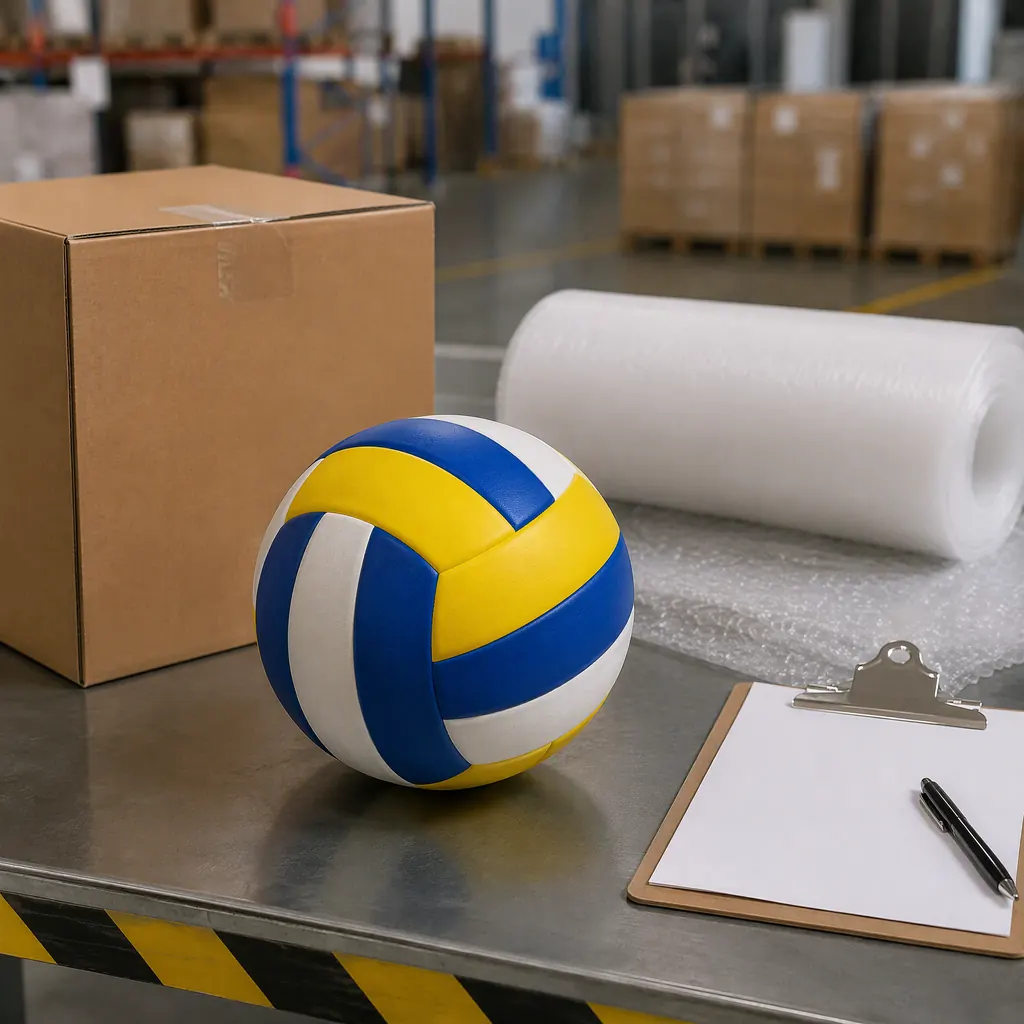
Volleyball Factory Inspection for B2B Buyers
A reliable volleyball factory inspection connects the buyer's approved specification with the volleyballs actually produced for shipment. A useful review covers materials, cover texture, panel alignment, seams, bonding, bladder, valve, roundness, inflation, artwork, packaging, and loading condition. B2B buyers should not judge a volleyball only by a clean product photograph. A repeatable volleyball factory inspection checks the features that affect playing feel, durability, appearance, and repeat-order consistency.
Set the inspection reference before production
Every volleyball factory inspection should begin with one controlled reference package. Include the approved physical sample, technical specification, artwork, packing instruction, purchase order, material description, and agreed quality requirements. Confirm that the factory is using the latest file version before production starts. An old color file, replaced cover layer, unapproved valve, or changed panel layout can create a mismatch even when the finished ball looks acceptable.
Write the acceptance points in language that purchasing, quality staff, and the factory can interpret in the same way. State the intended player group, court environment, size, weight, inflation condition, surface feel, construction method, and packaging format. During the volleyball factory inspection, compare production samples with the approved reference under consistent lighting and inflation. Keep photos and notes linked to the order so the inspection remains useful after shipment. This volleyball factory inspection reference should stay with the volleyball factory inspection report, volleyball factory inspection sample, and volleyball factory inspection release decision.
Check incoming materials and components
Material control is the first practical stage of volleyball quality control. During a volleyball factory inspection, review the cover material, backing, lining, adhesive, thread if applicable, bladder, valve, ink, and packaging components against the purchase specification. Look for incorrect color, contamination, surface damage, inconsistent texture, or material substitution. A supplier should identify the material used in the approved sample and explain how it is controlled during bulk production.
During a volleyball factory inspection, sample several material rolls, panels, or components instead of checking only one package. Compare texture and thickness visually and by the agreed internal method. For custom volleyballs, verify that the selected cover supports the intended touch, grip, cleaning response, and product position. Material approval does not replace finished-ball inspection, but it can prevent a construction problem from moving through the line. The volleyball factory inspection should record the volleyball factory inspection material, volleyball factory inspection cover, and volleyball factory inspection component source.
Inspect panel layout and surface construction
Panel geometry affects the ball's roundness, visible appearance, and contact transitions. Inspect whether panel shapes, edges, seams, and color blocks match the approved drawing or sample. Look for steps between panels, raised edges, wrinkles, bubbles, exposed adhesive, uneven gaps, or stretched areas. Surface texture should remain consistent during volleyball factory inspection and volleyball factory inspection review across visible panels, especially with a pebble, microfiber, or coated synthetic cover.
A strong volleyball factory inspection rotates the inflated ball through several orientations. Check panel alignment from the front, sides, and valve area rather than judging only the most attractive view. Run a clean hand across the surface to identify rough transitions or soft spots. If artwork is printed, confirm color placement, registration, legibility, and resistance to light handling. Record representative defects with photographs and identify whether correction or rejection is required.
Verify roundness, weight, and circumference
Shape and size influence passing, setting, serving, and customer perception. Inflate samples using a consistent method and allow them to settle before measurement. During the volleyball factory inspection, examine each sample from multiple orientations for flat areas, bulges, panel distortion, or an uneven valve zone. Measure weight and circumference with the same equipment and method used for the approved specification.
Do not treat one good sample as proof that the whole lot is consistent. Compare several samples from different cartons, production times, or workstations when the order is large. Record the measurement method, inflation condition, and sample identification. If the results vary, ask the factory to investigate panel tension, bladder placement, cover assembly, or inflation control before release. A volleyball factory inspection comparison should connect the volleyball factory inspection measurement, volleyball factory inspection sample, and volleyball factory inspection corrective action.
Test valve, air retention, and rebound
During volleyball factory inspection, the valve and bladder need their own inspection because a visually clean cover can still hide an air-retention problem. Confirm that the needle enters smoothly, the valve is securely bonded, and the area is not visibly recessed, damaged, or contaminated. Use the agreed starting inflation and storage condition for any air-retention review. Do not report unsupported performance numbers; document what was tested, how it was tested, and what changed.
Include a controlled rebound and shape check where the purchase specification requires it. Use a consistent release method and suitable indoor surface. Observe whether the ball rebounds evenly, wobbles, or develops a visible shape change after repeated contact. A volleyball factory inspection should compare production samples with the approved reference under the same condition, because different inflation or temperature can change the apparent playing response.
Review grip and playing feel
Visual quality control cannot fully predict playing feel. During volleyball factory inspection, include a volleyball factory inspection handling review for forearm passing, overhead setting, controlled serving, and repeated hand contact. Test the surface with clean hands and, where relevant, slightly damp conditions. Check whether the cover becomes slick, whether moisture collects around seams, and whether the texture remains uniform after handling.
For B2B buyers, connect feel with the intended use. A school volleyball may prioritize forgiving touch and easy cleaning; a club product may require consistent rebound and surface response. Record observations without unsupported claims. Use the same method for future volleyball factory inspection and repeat orders. The record should identify volleyball factory inspection grip, texture, and playing response.
Check customization and packaging
Custom artwork and packaging are part of the commercial specification. Confirm logo placement, color, size, print position, panel relationship, carton markings, labels, accessories, and care information against the approved files. Check whether printing is clean, aligned, durable, and free from smearing or visible registration errors. A volleyball factory inspection should record both product defects and packaging defects because either can create claims after delivery.
Before shipment, inspect individual packing, carton quantity, carton strength, protective materials, moisture protection, and loading condition. Packaging should reduce compression marks, dirt, friction, and damage during transport. Match outer cartons with the packing list and photograph representative cartons. If the factory changes the carton, insert, or packing method, request approval before loading rather than discovering the difference at the warehouse. This final volleyball factory inspection should record the volleyball factory inspection carton, volleyball factory inspection label, and volleyball factory inspection loading condition.
Use a pre-shipment inspection checklist
A practical volleyball factory inspection checklist should be short enough to use but detailed enough to support a release decision. Separate critical issues that may stop shipment from major and minor issues that require correction or recording. The final volleyball factory inspection report should identify the order, sample source, inspection date, methods, defects, corrective action, and approval status.
- Confirm the latest volleyball factory inspection specification, approved sample, artwork, and packing instruction.
- Review cover material, backing, lining, bladder, valve, adhesive, thread, and packaging components.
- Inspect panel alignment, seams, bonding, texture, color, printing, roundness, and visible finish.
- Measure weight and circumference and record the inflation condition used for comparison.
- Check valve security, air retention, rebound, shape stability, grip, and handling response.
- Verify carton quantity, labels, protective packing, loading condition, and shipping records.
- Keep photographs, defect notes, corrective action, and the final release decision with the order.
Control changes for repeat orders
A factory inspection is most valuable when it protects future orders as well as the current shipment. Keep the accepted volleyball factory inspection record and volleyball factory inspection reference with the physical sample, specification, artwork, and supplier version. Require written approval before changing the cover, backing, adhesive, bladder, valve, panel layout, bonding process, printing method, or packaging. A small process change can affect touch, shape, air retention, or appearance even when the product name remains unchanged.
For repeat orders, purchasing checks the specification, quality checks the method, and product teams check playing feel. Use the same sample logic and measurements to record approvals, changes, and corrective action. A controlled volleyball factory inspection reduces surprises and protects consistency. Keep the volleyball factory inspection sample, photos, defects, and approval with the purchase order.
Conclusion
A strong volleyball factory inspection reviews the complete product system. This volleyball factory inspection should cover the complete product system rather than focusing on appearance alone. Materials, panel construction, surface texture, roundness, weight, inflation, valve, playing feel, artwork, packaging, and loading all deserve a defined check. For B2B buyers, the safest approach is to approve a physical reference, use a repeatable inspection checklist, document defects, and control changes before shipment. This process gives the factory clear expectations and gives the buyer evidence for a confident release decision.