
 EN
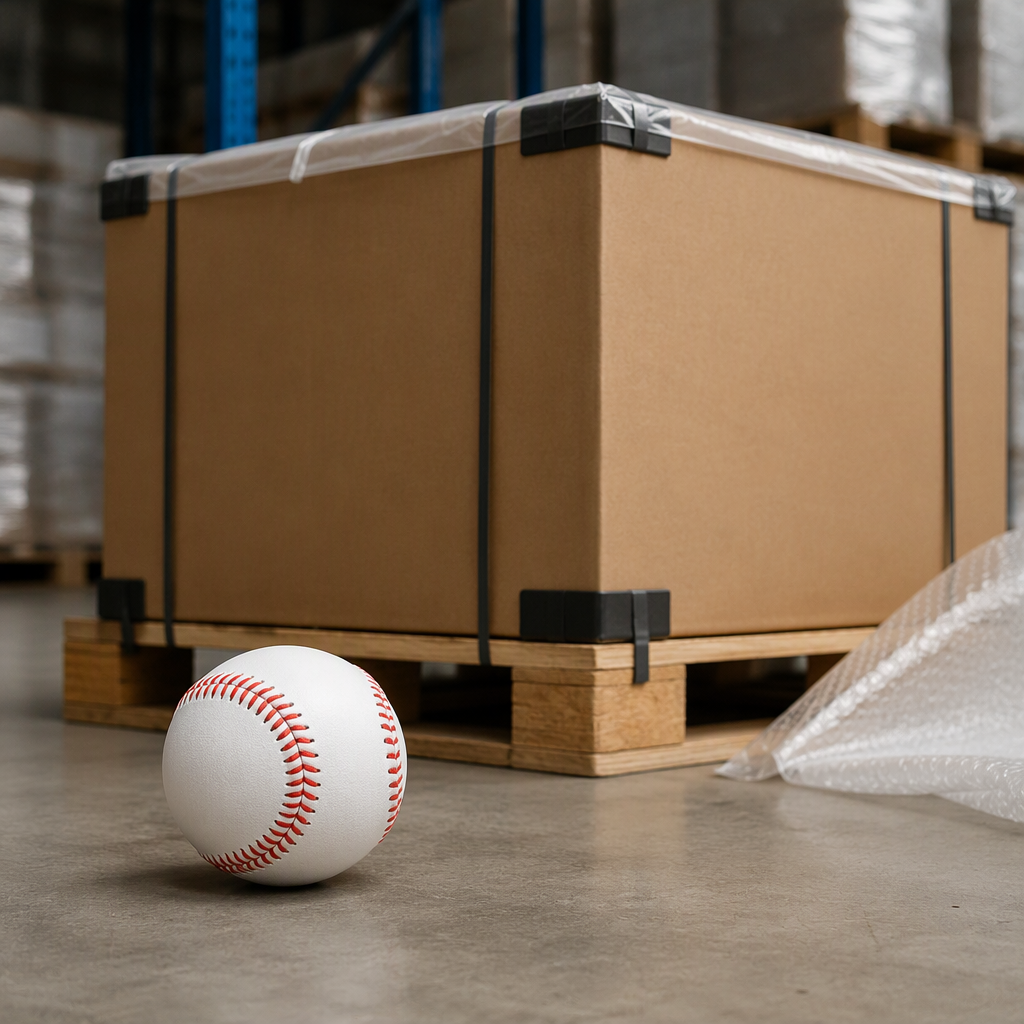
Export Baseball Packaging Requirements for Schools and Retail Programs
Export baseball packaging requirements are shaped by product count, carton handling, climate, storage, and the needs of the receiving customer. Baseballs are compact and durable, but loose packing, weak cartons, and unclear labels can still create shortages, scuffs, moisture damage, and slow warehouse processing. B2B buyers serving schools or retail programs should approve the packaging as a complete logistics system rather than choosing a box after the product is finished.
Define the receiving environment
Ask how the shipment will move from factory to final user. A direct container load to a distributor differs from a mixed pallet handled by several forwarders. Schools may receive large cartons for equipment rooms, while retailers may require smaller, barcode-ready units. Confirm transport mode, storage period, pallet footprint, humidity, and the number of handling points.
Export baseball packaging requirements should also reflect whether products are sold loose, in dozens, in retail boxes, or as mixed program kits. The unit arrangement affects count accuracy, carton weight, and the time needed to put stock into inventory.
Carton and inner-pack design
Choose carton dimensions that hold the approved quantity without allowing excessive movement. Empty space can cause balls to rub, while overfilled boxes can crush covers and make closure unreliable. Specify board grade, flute, compression strength, closure, tape, and moisture resistance for the expected route.
Inner packs or dividers may be useful when decorated balls must remain clean and separated. They should not have sharp edges or inks that transfer to the cover. Test the complete pack after storage at the likely temperature and humidity, especially for leather or soft synthetic covers.
Protection from moisture and handling
Cartons should be kept off wet floors and loaded into clean, dry containers. If the route is humid or the product will remain in transit for an extended period, consider a moisture barrier or desiccant after evaluating cost and disposal. These measures support, but do not replace, good loading practices.
Baseball packaging can also be damaged by strapping, pallet nails, and contact with container walls. Use corner protection or a suitable pallet pattern where needed. Record the final arrangement and take photographs before sealing the container.
Labels that prevent receiving errors
Each carton should identify purchase order, model, size or type, color, quantity, carton number, gross and net weight, dimensions, origin, and required handling information. Barcodes should be placed on a clean flat surface that remains visible after taping. Mixed cartons require a clear contents list.
Match the carton labels to the packing list, invoice, pallet count, and purchase order. A school program may have several ball types that look similar, so model codes should be prominent. Retail buyers may need individual-unit barcodes and country-specific compliance information; confirm this before printing cartons.
Counting and inspection controls
Use a documented counting method and inspect a sample of closed cartons for actual quantity. A simple weight check can supplement manual counting but should not replace it when products differ by cover or decoration. Inspect cartons for crushed corners, open seams, wet marks, dirty surfaces, and incorrect labels.
Before shipment, perform a handling test suitable for the carton weight and route. Drop, compression, or vibration testing should use the final inner arrangement. After testing, check baseball covers, stitching, logos, and surface condition. Approving a blank carton cannot reveal friction from the actual product.
School and retail differences
Schools often value economical master cartons, clear size separation, and easy storage. Retail programs may require attractive printed boxes, shelf dimensions, tamper control, and scannable labels. A buyer can use the same baseball specification with different packaging tiers if the inner protection and count remain controlled.
Ask the supplier to quote packaging separately so that the cost of retail presentation is not hidden in the product price. Confirm whether cartons can be mixed by model and whether mixed pallets require additional labels.
Repeat-order control
Keep the carton drawing, board specification, label file, inner arrangement, pallet pattern, and inspection standard. If the baseball size, cover, unit count, or shipping route changes, review the packaging. A new carton supplier should provide a loaded sample or test result before production.
Conclusion
Meeting export baseball packaging requirements means protecting the product, controlling moisture, making counts visible, and giving the warehouse dependable information. Test the final loaded carton and document labels, palletizing, and container checks. This practical discipline helps B2B suppliers deliver school and retail baseball programs with fewer transit claims and faster receiving.
Receiving controls after arrival
When the shipment reaches the warehouse, inspect the container and a selection of cartons before moving everything into storage. Photograph wet marks, crushed edges, broken tape, or mismatched labels immediately. Compare the received carton count and batch numbers with the shipping records, then quarantine questionable stock until it is assessed. Feedback from receiving should be added to the packaging file. Over time, these records show whether export baseball packaging requirements need adjustment for a route, season, or forwarder.