
 EN
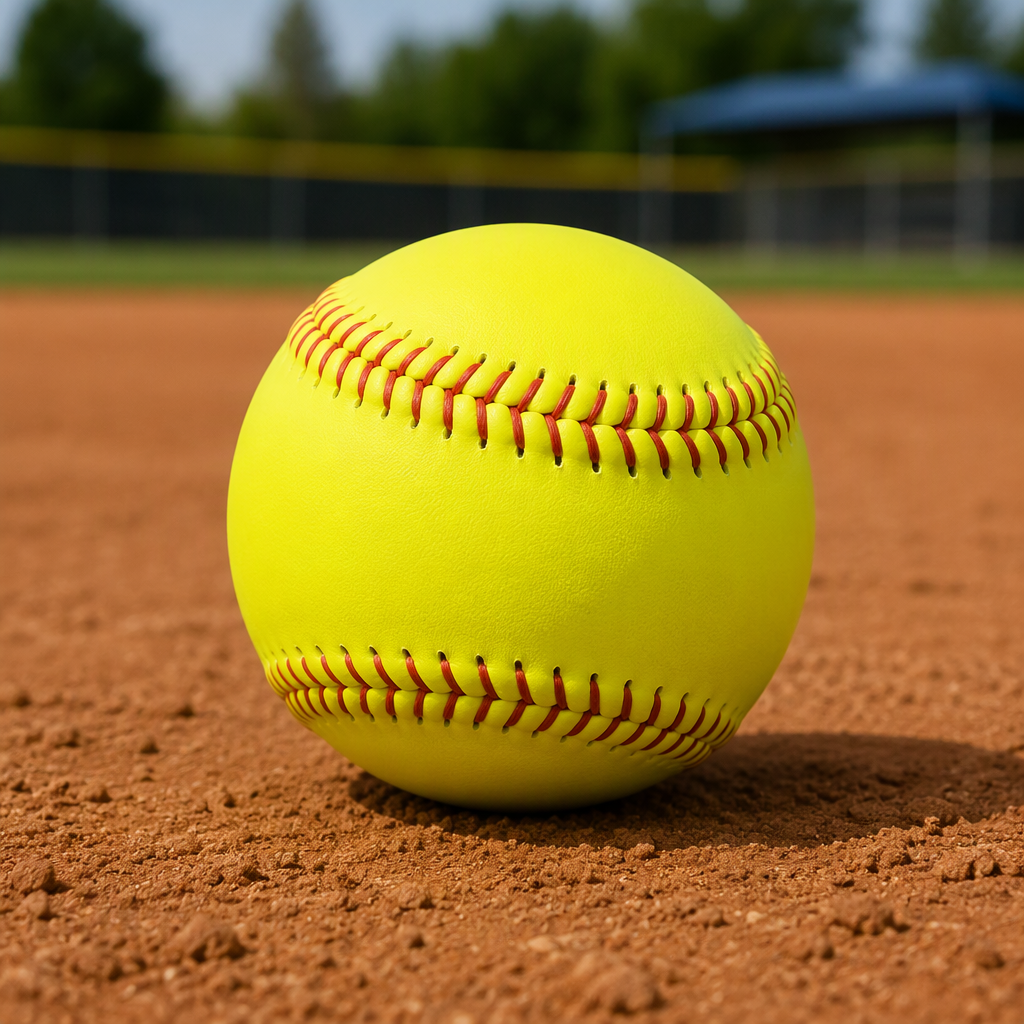
Softball Seam Construction: Training & Competition
Softball seam construction affects grip, flight, durability, and the way a player reads the ball during throwing and catching. A training program may prefer a robust seam that survives frequent drills, while a competition buyer may require a defined profile and consistent stitching. For B2B procurement, softball seam construction should be selected with the cover, core, playing surface, and level of play in mind rather than by appearance alone.
Softball seam construction profiles for training and competition
Seams join cover panels and create tactile features that can support control. Raised seams may be easier to feel and can influence airflow, while flatter seams present a smoother surface and may suit certain game specifications. The correct choice depends on the governing requirements and intended users. A seam that is excellent for pitching practice may not be suitable for a formal competition program.
Construction also affects service life. Stitch length, thread strength, seam allowance, adhesive, and cover thickness must work together. An attractive seam with loose tension can open during repeated impact. A very tight seam can pucker the cover or create an uncomfortable ridge. Define the target softball seam construction profile and tolerances before sampling.
Raised, flat, and alternative seam profiles
Raised seams
Raised seams provide a clear tactile reference and may help users develop grip and throwing control. They need consistent height, rounded edges, and secure stitching. Check whether the softball seam construction remains comfortable after repeated contact and whether dirt becomes trapped around the thread.
Flat or reduced-profile seams
Flat seams can create a cleaner surface and may reduce snagging or abrasion. They require accurate panel cutting and controlled tension because small errors are visible on the finished ball. Inspect the softball seam construction after inflation and compression to ensure it does not open or sink unevenly.
Specialty and training constructions
Some training balls use contrasting thread, synthetic raised features, or reinforced stitching for visibility and durability. These options can be useful for coaching, and each specialty softball seam construction should be evaluated for safe handling and compliance with the buyer’s market. Do not assume that a visual training feature is appropriate for a game ball.
Material and stitching decisions
Cover material changes how a seam behaves. Leather, PU, PVC, and coated fabric differ in thickness, stretch, and edge stability. Thread size and finish should match the material so that the needle does not leave excessive holes or damage the cover. Ask the factory to confirm needle type, stitch density, backstitching, and thread tension for the softball seam construction.
Inspect panels before stitching for cuts, weak edges, and inconsistent thickness. A seam cannot compensate for a defective edge. Use a sample from the final production material and color because coatings and pigmentation can affect sewing behavior.
Testing in realistic conditions
Inflate the ball to the approved pressure and inspect seam height, alignment, gaps, thread ends, and puckering. Rotate the ball under strong light and feel the seam around the entire circumference. Use repeated catch, throw, and impact cycles appropriate to the program. For outdoor use, add dirt, moisture, and drying cycles to evaluate softball seam construction.
After testing, inspect for opened stitches, broken thread, edge fray, cover cracking, and changes in shape. Record results by sample and lot. A supplier should identify the failure location and corrective action rather than simply replacing the failed ball.
Matching construction to the buyer
School training programs often need affordable durability and a seam that supports learning. Club and competition buyers may need a controlled specification with repeatable flight and legal dimensions. Retail and promotional buyers should make the intended use clear so that a decorative product is not sold as game equipment. Match the softball seam construction to the buyer’s program, playing surface, and inspection standard.
Packaging and care instructions can protect seam life. Keep balls clean and dry, avoid sharp storage surfaces, and inspect stitching before use. Simple guidance reduces misuse and helps buyers explain why different softball seam construction choices have different purposes.
Production and reorder control
Keep a master sample, seam drawing, thread code, stitch method, pressure specification, and inspection photographs. Monitor the first pieces of each shift and sample cartons from different production times. If the cover, thread, machine, or panel file changes, repeat approval and document the approved softball seam construction.
Conclusion
Softball seam construction should be selected as a balance of grip, flight, comfort, durability, and market requirements. Compare raised and flat profiles on finished balls, test them under realistic use, and document the approved thread and stitching process. This gives B2B buyers a softball that meets its program’s needs and remains consistent across future orders.
Sampling across a production lot
Sample balls from multiple cartons and production periods because seam quality can change with operator, machine, thread, or material lot. Inspect both the most visible panel and the areas likely to contact the bat or ground. Record seam height and stitch condition with photographs, then compare results to the approved master. This sampling plan gives the buyer stronger evidence that softball seam construction is stable across the shipment rather than correct only in the first samples.