
 EN
EN
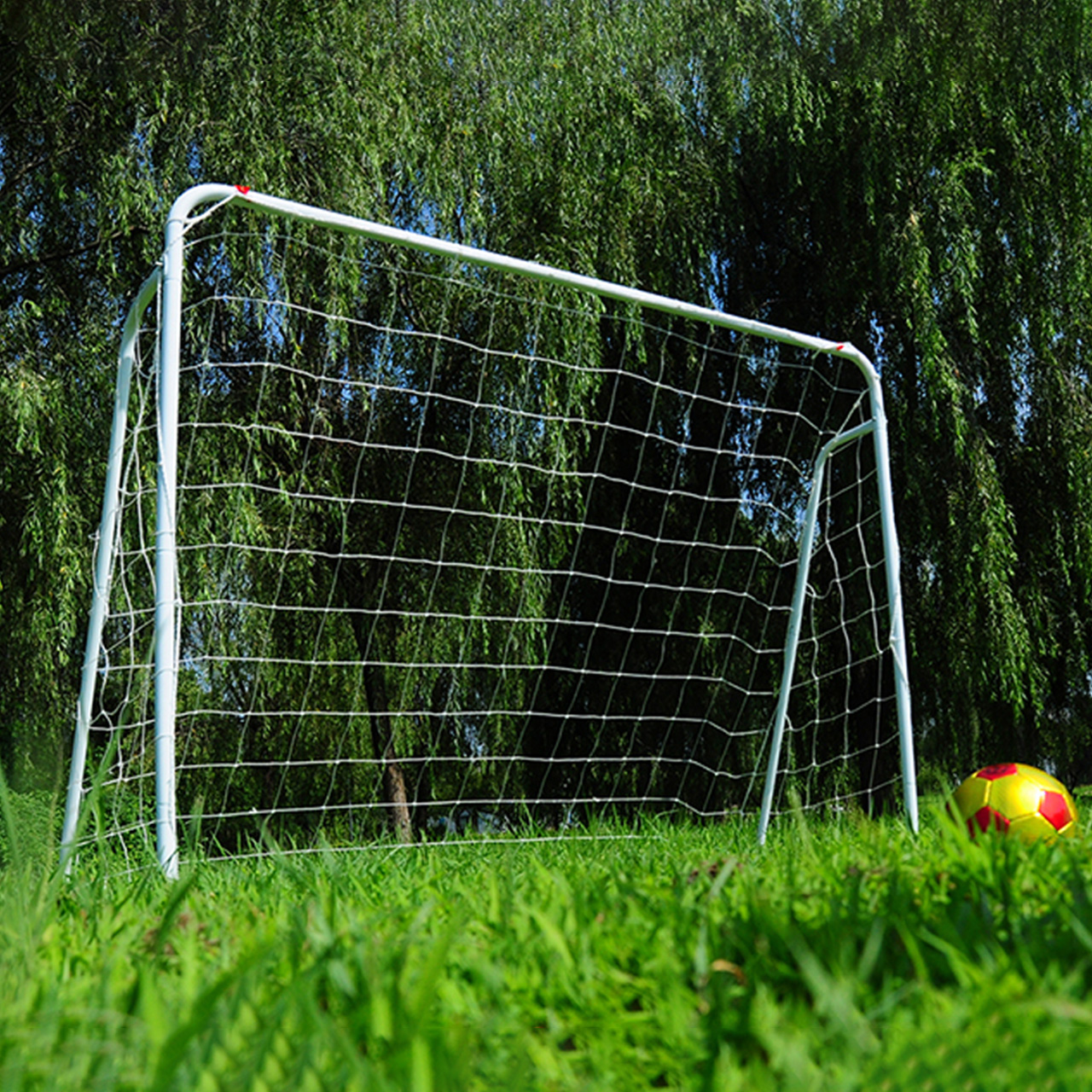
Essential Guidelines for Sourcing Premium Soccer Goal Nets
The selection of high-quality soccer goal nets represents a crucial decision for retail chains aiming to serve their sporting goods customers effectively. With the growing demand for durable and professional-grade soccer equipment, retailers must navigate the complex landscape of soccer goal nets to ensure they stock products that meet both safety standards and customer expectations. This comprehensive guide explores the vital aspects of sourcing reliable soccer goal nets, helping retail chains make informed procurement decisions.
Understanding the market dynamics and technical requirements of soccer goal nets is essential for retail success. From material specifications to safety certifications, each element plays a vital role in determining the overall quality and marketability of these essential sporting goods. Let's delve into the key considerations that will help retail chains optimize their soccer goal nets inventory.
Material Quality and Durability Factors
Premium Materials for Long-lasting Performance
When evaluating soccer goal nets for retail supply, material quality stands as the foremost consideration. High-density polyethylene (HDPE) and nylon represent the most reliable options, offering superior resistance to weather conditions and extended durability. These materials ensure that soccer goal nets maintain their structural integrity even under intense usage and varying weather conditions.
Professional-grade soccer goal nets typically feature UV-stabilized materials that prevent degradation from sun exposure. This characteristic is particularly important for nets intended for outdoor use, as it significantly extends their lifespan and maintains their appearance over time. Retailers should prioritize suppliers who utilize these advanced materials in their manufacturing process.
Mesh Size and Construction Specifications
The mesh size and construction of soccer goal nets directly impact their functionality and durability. Standard mesh sizes typically range from 120mm to 150mm, though specific requirements may vary based on the intended use level. Professional-grade nets often feature reinforced edges and double-knotted construction, providing additional strength at critical stress points.
Retail chains should examine the construction methods used in different soccer goal nets, paying particular attention to the knot strength and overall tensile capabilities. These factors significantly influence the net's ability to withstand regular impact from soccer balls and maintain their shape over extended periods of use.
Safety Standards and Certification Requirements
International Safety Compliance
Ensuring compliance with international safety standards is crucial when selecting soccer goal nets for retail distribution. Key certifications include ISO standards and specific sporting goods safety requirements established by various soccer associations. These standards address aspects such as material toxicity, fire resistance, and structural integrity.
Retail chains must verify that their chosen soccer goal nets meet or exceed these safety requirements. This commitment to safety not only protects end-users but also shields retailers from potential liability issues and builds customer trust in the products they offer.
Testing and Quality Assurance Protocols
Comprehensive testing procedures should be in place to verify the quality and safety of soccer goal nets. This includes stress testing, weather resistance evaluation, and durability assessments under various conditions. Retailers should partner with manufacturers who maintain robust quality control systems and can provide detailed documentation of their testing protocols.
Regular quality audits and sample testing help ensure consistent product quality across different batches of soccer goal nets. This systematic approach to quality assurance helps retail chains maintain high standards in their sporting goods inventory.
Supplier Evaluation and Partnership Criteria
Manufacturing Capabilities Assessment
When selecting suppliers for soccer goal nets, retail chains must thoroughly evaluate manufacturing capabilities and production capacity. This assessment should include facility inspections, quality control processes, and the supplier's ability to meet volume requirements consistently. Understanding a manufacturer's production capabilities helps ensure reliable supply chain management.
Advanced manufacturing technologies and automated quality control systems often indicate a supplier's commitment to maintaining high standards. Retail chains should prioritize partnerships with manufacturers who demonstrate consistent innovation and investment in their production facilities.
Supply Chain Reliability and Flexibility
The ability to maintain consistent supply levels while adapting to market demands is crucial for successful retail operations. Suppliers should demonstrate robust supply chain management systems and the flexibility to adjust production volumes as needed. This ensures retail chains can maintain optimal inventory levels of soccer goal nets throughout their store network.
Effective communication channels and transparent business practices further strengthen supplier partnerships. Retail chains should establish clear expectations regarding lead times, minimum order quantities, and delivery schedules to ensure smooth operations.
Cost Considerations and Value Analysis
Price Point Optimization
While quality remains paramount, retail chains must balance cost considerations when selecting soccer goal nets. This involves analyzing various price points and their corresponding quality levels to determine the optimal mix for their target market. Understanding the relationship between manufacturing costs, material quality, and market positioning helps in making informed procurement decisions.
Volume discounts and long-term supplier agreements can help optimize costs while maintaining product quality. Retail chains should negotiate terms that provide competitive advantages while ensuring sustainable profit margins on their soccer goal nets inventory.
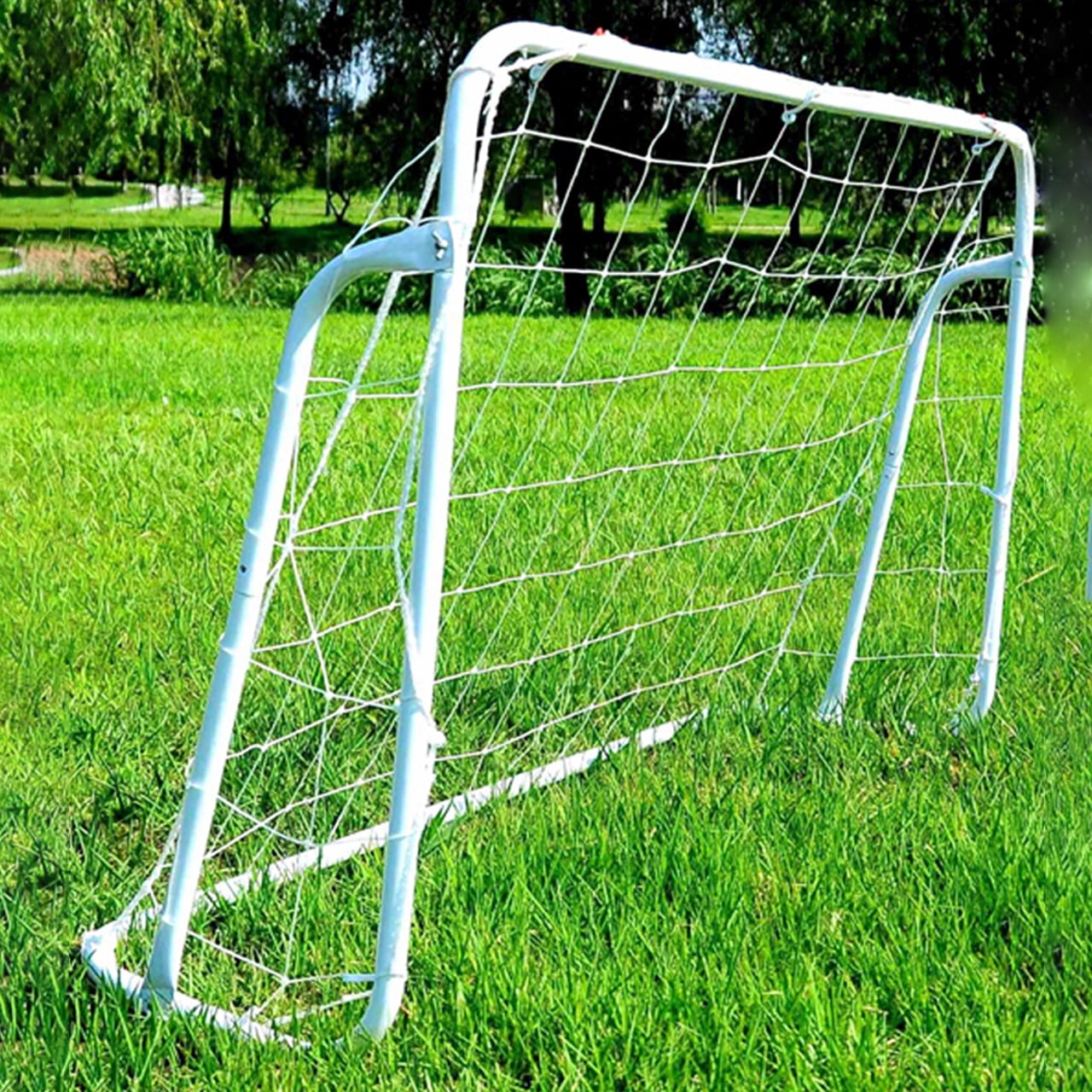
Total Cost of Ownership Evaluation
Beyond initial purchase prices, retail chains must consider the total cost of ownership when selecting soccer goal nets. This includes factors such as warranty terms, replacement rates, and customer satisfaction levels. A comprehensive cost analysis helps identify products that offer the best long-term value for both retailers and end-users.
Investment in higher-quality soccer goal nets often results in reduced warranty claims and improved customer satisfaction, leading to better long-term financial outcomes for retail chains.
Frequently Asked Questions
What material options provide the best durability for soccer goal nets?
High-density polyethylene (HDPE) and premium nylon materials offer superior durability for soccer goal nets. These materials provide excellent weather resistance, UV protection, and long-lasting performance under regular use conditions. The choice between materials often depends on specific usage requirements and environmental factors.
How often should soccer goal nets be replaced in typical usage conditions?
Under normal usage conditions, high-quality soccer goal nets typically last 2-3 years for regular outdoor use and 3-5 years for indoor applications. However, factors such as weather exposure, usage intensity, and maintenance practices can significantly impact longevity. Regular inspections help determine when replacement is necessary.
What safety certifications should retailers look for when sourcing soccer goal nets?
Key safety certifications include ISO standards, specific sporting goods safety requirements, and compliance with local regulatory frameworks. Retailers should verify that suppliers maintain current certifications and regularly update their compliance documentation to meet evolving safety standards.