
 EN
EN
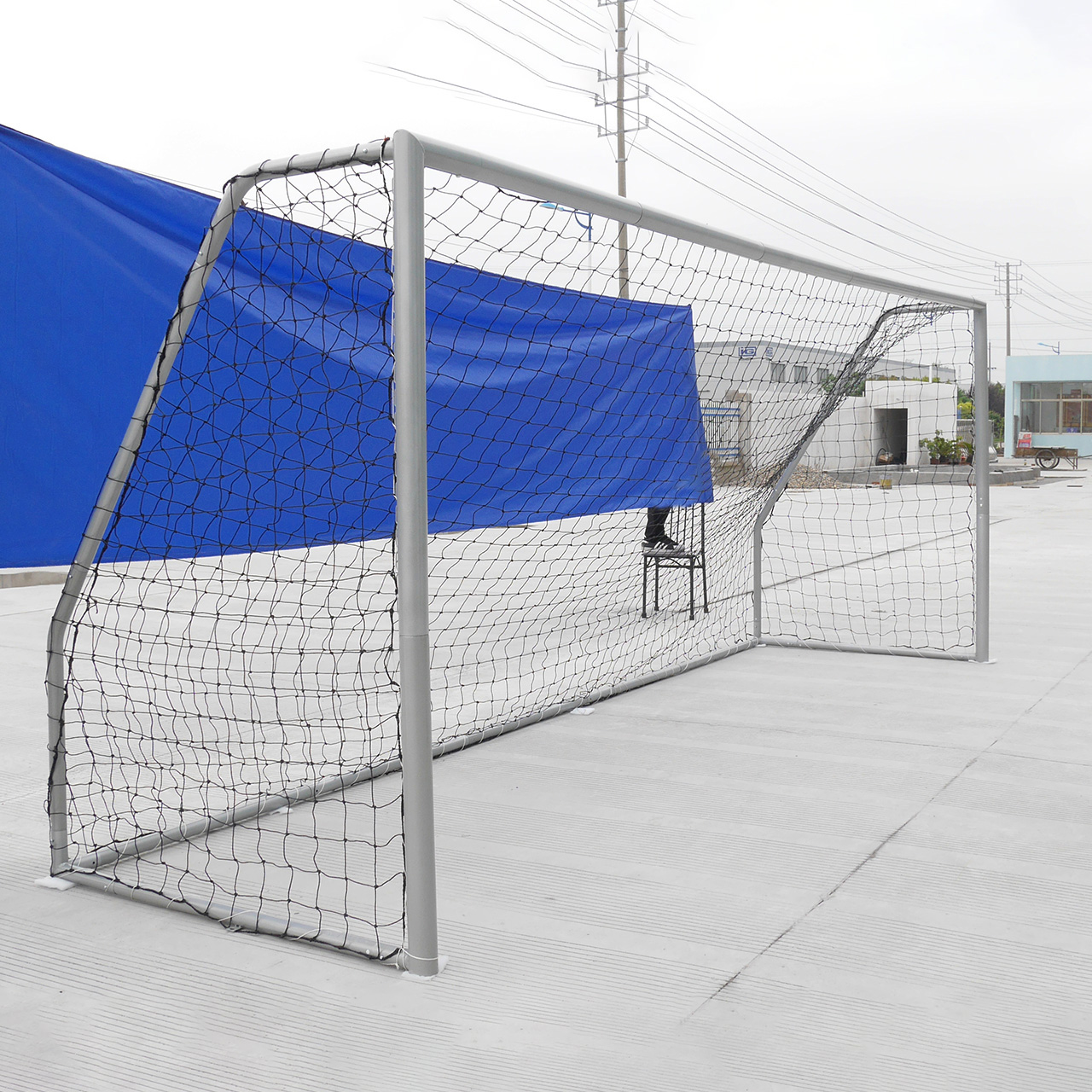
In competitive volleyball, equipment consistency plays a crucial role in determining match outcomes and player performance levels. Professional athletes understand that volleyball quality directly impacts their ability to execute precise movements, maintain timing accuracy, and deliver consistent results across multiple sets and tournaments. The relationship between equipment standards and competitive success extends beyond individual preferences to encompass systematic performance optimization.
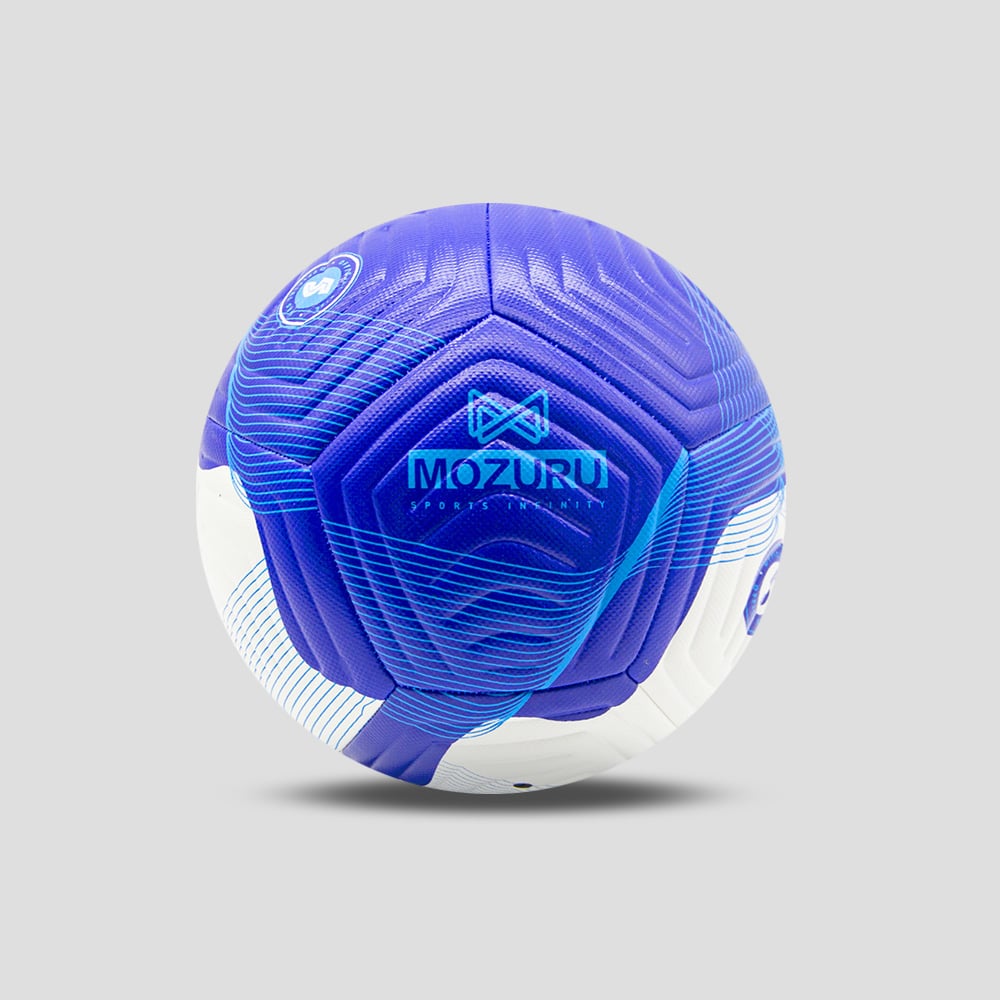
Understanding the technical specifications that define superior volleyball quality enables teams to make informed equipment decisions that support their competitive objectives. Material composition, manufacturing precision, and performance consistency represent fundamental factors that separate professional-grade volleyballs from recreational alternatives. These distinctions become particularly evident during extended competitive play where equipment reliability determines match outcomes.
Technical Standards in Professional Volleyball Equipment
Material Composition and Construction Methods
Professional volleyball manufacturing incorporates advanced synthetic leather compounds that provide optimal grip characteristics while maintaining durability under intense competitive conditions. The construction process involves precision stitching techniques that ensure consistent panel alignment and minimize air pressure variations during extended play sessions. These technical specifications directly influence volleyball quality by establishing uniform bounce characteristics and predictable flight patterns.
The internal bladder system represents another critical component affecting long-term performance consistency. High-quality bladders utilize specialized rubber compounds that resist air leakage while maintaining pressure stability across temperature fluctuations commonly encountered in competitive environments. This technical foundation ensures that volleyball quality remains consistent throughout tournament play.
Certification Requirements and Testing Protocols
International volleyball federations establish comprehensive testing protocols that evaluate equipment performance across multiple criteria including weight consistency, circumference uniformity, and bounce characteristics. These certification processes ensure that approved volleyballs meet stringent volleyball quality standards required for official competition use. Testing procedures involve repeated impact assessments that simulate extended competitive play conditions.
Manufacturers must demonstrate consistent production capabilities through batch testing protocols that verify uniform performance characteristics across large production volumes. This quality assurance process eliminates variations that could affect competitive fairness or player safety during tournament play. Certified equipment undergoes continuous monitoring to maintain approved status throughout the product lifecycle.
Performance Impact During Extended Competitive Play
Consistency Factors in Multi-Set Matches
During extended competitive matches, volleyball quality becomes increasingly important as equipment fatigue affects ball characteristics and player performance predictability. High-quality volleyballs maintain consistent bounce patterns and flight trajectories even after hundreds of impacts, allowing players to rely on established timing and positioning strategies throughout match duration. This consistency factor significantly influences competitive outcomes in closely contested matches.
Professional players develop muscle memory and timing patterns based on specific equipment characteristics that remain stable throughout competitive play. When volleyball quality standards fluctuate, these established patterns become unreliable, forcing players to make real-time adjustments that can negatively impact performance consistency. Equipment reliability therefore becomes a critical factor in maintaining competitive advantage.
Environmental Adaptation and Performance Stability
Superior volleyball quality includes environmental adaptation capabilities that maintain performance characteristics across varying temperature and humidity conditions encountered in different competitive venues. Advanced manufacturing techniques produce volleyballs that resist expansion and contraction effects that could alter playing characteristics during matches. This stability ensures consistent performance regardless of environmental variables.
Temperature fluctuations commonly experienced in tournament facilities can significantly affect inferior volleyball equipment, causing changes in air pressure, material flexibility, and surface grip characteristics. Professional-grade volleyballs incorporate volleyball quality features that minimize these environmental effects, maintaining consistent performance throughout competitive play sessions.
Strategic Equipment Selection for Competitive Success
Team Performance Optimization Through Equipment Consistency
Competitive teams that prioritize volleyball quality in their equipment selection process demonstrate measurable improvements in performance consistency metrics compared to teams using variable or substandard equipment. This advantage becomes particularly evident in statistical analysis of service accuracy, attack precision, and defensive positioning effectiveness across tournament play. Equipment consistency directly correlates with team performance predictability.
Professional coaching staff recognize that equipment variability introduces unnecessary complexity into training and competitive preparation processes. When volleyball quality remains consistent, coaches can focus on tactical development and skill refinement rather than compensating for equipment-related performance variations. This strategic approach maximizes training efficiency and competitive readiness.
Long-Term Investment Considerations
Investing in superior volleyball quality generates long-term cost benefits through reduced equipment replacement frequency and improved training effectiveness. High-quality volleyballs maintain performance characteristics significantly longer than budget alternatives, reducing the total cost of ownership while ensuring consistent training conditions. This economic advantage supports sustained competitive development programs.
Budget allocation for volleyball quality improvements should consider the cumulative impact of consistent equipment on player development and competitive results. Teams that compromise on equipment standards often experience hidden costs through increased training time requirements, performance inconsistencies, and potential competitive disadvantages that outweigh initial cost savings.
Measuring Quality Impact on Competitive Performance
Statistical Analysis of Equipment-Related Performance Variations
Performance analytics demonstrate clear correlations between volleyball quality standards and measurable competitive outcomes including service accuracy rates, attack success percentages, and defensive efficiency metrics. Teams utilizing consistent, high-quality equipment show reduced performance variance across multiple matches compared to teams with variable equipment standards. These statistical trends support equipment investment decisions based on competitive objectives.
Data collection from professional tournaments reveals that volleyball quality consistency contributes to reduced unforced error rates and improved execution of complex tactical strategies. Players demonstrate enhanced confidence levels when equipment performance remains predictable, resulting in more aggressive play styles and improved competitive results. This performance enhancement justifies investment in superior equipment standards.
Player Adaptation and Training Effectiveness
Training program effectiveness increases significantly when volleyball quality remains consistent across practice sessions and competitive matches. Players develop more refined technical skills when equipment characteristics provide reliable feedback during skill development exercises. This consistency accelerates learning curves and improves transfer of training benefits to competitive situations.
Professional athletes report improved confidence levels and reduced performance anxiety when volleyball quality meets consistent standards throughout competitive play. This psychological advantage translates into enhanced competitive performance through increased willingness to attempt challenging techniques and tactical strategies. Equipment reliability becomes a foundation for competitive confidence building.
FAQ
How does volleyball quality affect player timing and coordination
Volleyball quality directly influences player timing through consistent bounce characteristics and predictable flight patterns that allow athletes to develop reliable muscle memory. When equipment maintains uniform performance standards, players can focus on technical execution rather than compensating for variable ball behavior. This consistency improves coordination between teammates and enhances overall team performance during competitive play.
What specific features indicate superior volleyball quality for competitive use
Superior volleyball quality includes consistent weight distribution, uniform circumference measurements, optimal air retention capabilities, and durable surface materials that maintain grip characteristics throughout extended play. Professional-grade volleyballs also feature precision stitching that prevents panel separation and maintains structural integrity under competitive stress conditions. These technical specifications ensure reliable performance across tournament competition.
How long should high-quality volleyballs maintain consistent performance characteristics
Professional-grade volleyballs with superior volleyball quality should maintain consistent performance characteristics for 200-300 hours of competitive play when properly maintained. This duration includes tournament matches, intensive training sessions, and practice activities under normal competitive conditions. Regular inspection and proper storage extend equipment lifespan while maintaining performance standards required for competitive use.
Can volleyball quality differences be measured objectively during competitive play
Volleyball quality can be measured through objective testing protocols that evaluate bounce consistency, weight uniformity, circumference accuracy, and air pressure retention over time. Professional testing equipment measures these characteristics against international standards to verify competitive suitability. Performance analytics also track statistical variations in player execution rates that correlate with equipment quality levels during tournament competition.
Table of Contents
- Technical Standards in Professional Volleyball Equipment
- Performance Impact During Extended Competitive Play
- Strategic Equipment Selection for Competitive Success
- Measuring Quality Impact on Competitive Performance
-
FAQ
- How does volleyball quality affect player timing and coordination
- What specific features indicate superior volleyball quality for competitive use
- How long should high-quality volleyballs maintain consistent performance characteristics
- Can volleyball quality differences be measured objectively during competitive play