
 EN
EN
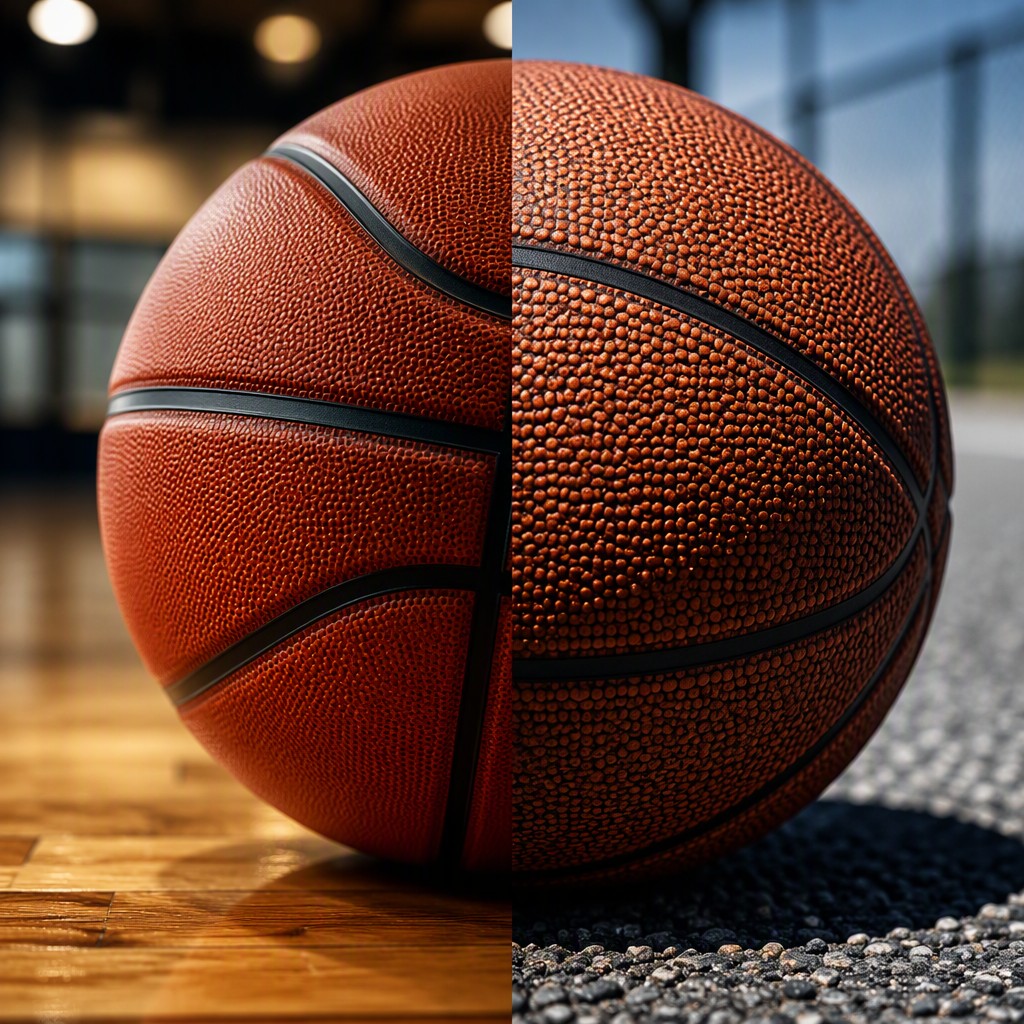
For B2B buyers and sports program managers, the longevity of a basketball depends entirely on its compatibility with the playing environment. Sourcing a ball designed for indoor hardwood and using it on outdoor asphalt is a costly mistake that leads to rapid surface degradation and player dissatisfaction. At MOZURU, we specialize in engineering surface textures and materials that are scientifically matched to specific court conditions.
1. Indoor Hardwood: The Domain of Premium PU
Professional indoor courts demand a ball that offers maximum grip and tactile feedback. Our premium indoor balls utilize high-grade Polyurethane (PU) with a specialized moisture-wicking finish.
- Soft-Touch Grip: Indoor PU is designed to interact with the high-friction surface of polished wood, allowing for elite ball handling.
- Symmetric Pebbling: Precision-molded pebbles provide consistent friction, ensuring the ball doesn't slip during a fast break.
- Air Retention: These balls typically feature high-content butyl bladders to maintain consistent bounce, critical for the predictable mechanics required in league play.
2. Outdoor Asphalt: Rugged Durability via Rubber Composites
Outdoor surfaces are highly abrasive and can act like sandpaper on delicate indoor materials. For these environments, MOZURU recommends high-durability rubber or composite leather.
- Deep-Channel Grooves: Outdoor balls often feature deeper channels to help clear away dust and dirt, maintaining grip on suboptimal surfaces.
- Abrasion Resistance: The outer shell is engineered to resist "shaving" and peeling even after hundreds of hours of play on concrete or asphalt.
- Weather Resistance: Outdoor materials are stabilized against UV radiation and temperature fluctuations, ensuring the ball doesn't become brittle or warped.
3. Material Physics: The Role of Friction and Rebound
Matching the ball to the court is a matter of physics. An indoor ball is designed to provide a "lively" bounce with high energy return on a flexible wood floor. Conversely, an outdoor ball must offer a slightly more controlled rebound to compensate for the rigid, unforgiving nature of concrete. We test our balls against FIBA standards for bounce height and sphericity to ensure peak performance on all designated surfaces.
4. Sourcing for Versatility: The All-Court Solution
For many retail markets, an "All-Court" or "Indoor/Outdoor" ball is the most popular choice. These balls utilize a hybrid composite material that balances the soft touch of an indoor ball with the rugged resilience of an outdoor ball. For B2B distributors, this versatility reduces inventory complexity and satisfies the needs of recreational players who move between school gyms and local parks.
Summary Suggestions
- For Professional Arenas: Source high-spec 1.4mm PU basketballs with nylon winding exclusively for indoor use.
- For Community Parks: Prioritize rugged rubber or heavy-duty composite balls that can withstand the elements.
- For High-Volume Retail: Opt for Indoor/Outdoor hybrid composites to capture the largest market segment.
FAQ
Q1: Can an indoor basketball be used outdoors just once?
While possible, even a single session on abrasive asphalt can permanently damage the soft PU skin and micro-porous texture of an indoor ball, leading to a permanent loss of grip.
Q2: How do you maintain grip on an outdoor basketball?
Outdoor balls tend to collect dust which reduces friction. Regularly wiping the surface with a damp cloth can restore the original tackiness of the material.
Q3: Does the bladder type differ between indoor and outdoor balls?
Generally, both use butyl bladders for air retention. However, our outdoor models often feature reinforced carcasses to handle the higher impact forces of hard ground play.
Q4: What is the most durable material for street basketball?
High-grade vulcanized rubber is the most durable, followed closely by high-density composite leathers specifically formulated for outdoor use.
Contact Us
Ready to partner with a sports equipment manufacturer that prioritizes sustainability without compromising on performance? The MOZURU team at Wuxi Leeqian International Corporation Ltd is here to help. Whether you are a distributor, retailer, or sports organization, we offer customized OEM and ODM solutions tailored to your market needs.