
 EN
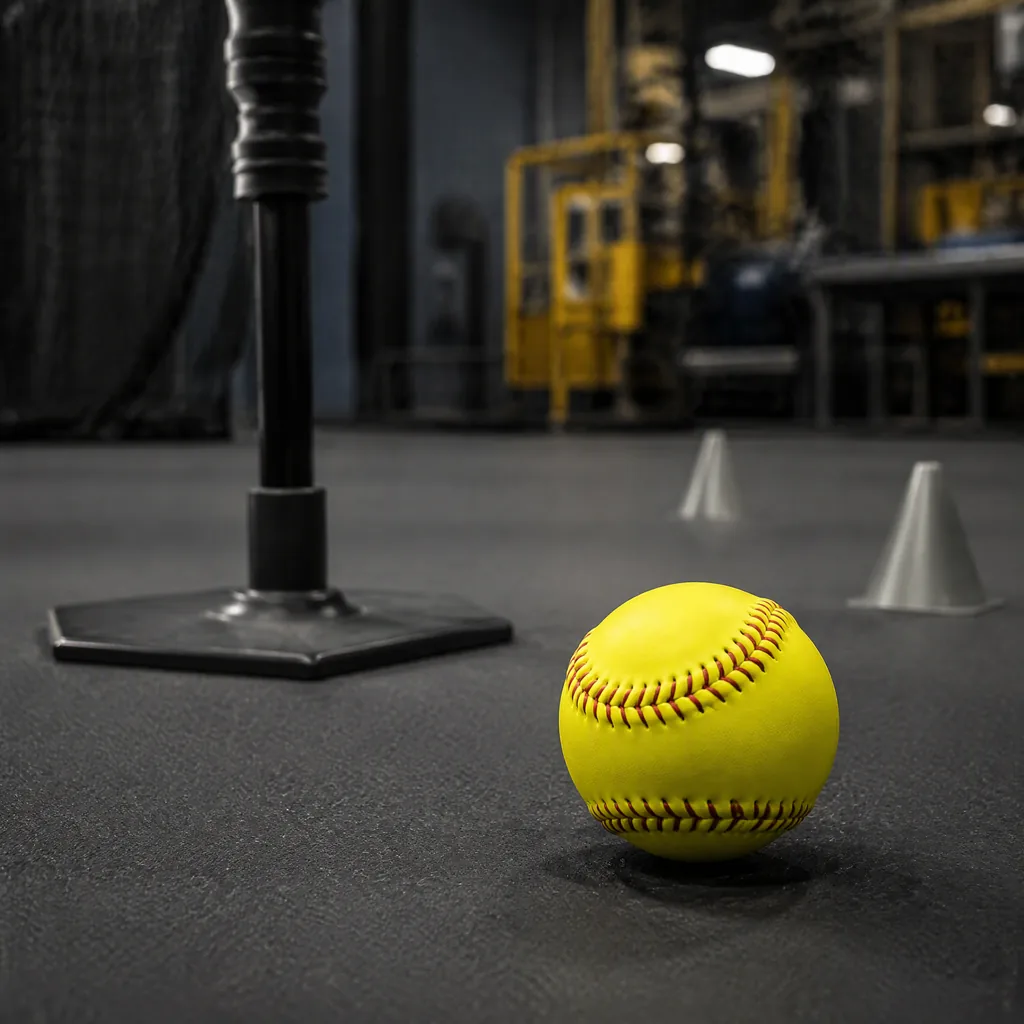
Softball Compression: Matching Balls to Training Needs
Softball compression should be matched to the training purpose, not selected only by a low price or a familiar product label. A school program, youth academy, club team, batting facility, and professional development program may all need different ball responses. Compression influences how a softball feels during catching, throwing, pitching, batting, and machine use. The goal is a repeatable training specification that a factory can reproduce across samples and bulk shipments. Softball compression also guides the choice between softer and firmer training balls.
When comparing products, buyers should evaluate the complete construction rather than treating compression as an isolated number. Core composition, winding, cover material, seam height, ball size, temperature, and test method can all change the result. A clear softball compression brief helps purchasing teams request comparable samples and prevents suppliers from quoting different constructions under the same general description.
What compression changes in training
Softball compression describes how much the ball resists deformation under a defined load or test condition. In practical use, the result affects impact feel, rebound, energy transfer, and the perceived firmness of the ball. A softer softball compression response may be easier for beginners to handle and may reduce the harsh feeling of mis-hit contact. A firmer response can provide a more demanding batting experience and may better represent a competitive game ball. Neither option is universally superior. The correct softball compression depends on the activity and the people using the product. For consistent training results, buyers should document the softball compression target.
Buyers should ask the supplier to state the test method, loading condition, temperature, sample conditioning, and tolerance. Two factories can use the same word while measuring different properties. A product description that says “soft,” “medium,” or “game feel” is not enough for repeat purchasing.
Match the ball to player level
Youth and beginner programs normally need a forgiving training environment. Players are still developing catching technique, throwing mechanics, timing, and confidence. A ball with a more manageable response can make repetitive drills less intimidating, especially when coaches are introducing basic defensive work or controlled batting. The selected softball compression should still support a stable shape and predictable flight. Excessive softness can create a misleading feel if the program is preparing players for a harder competition ball. Coaches can review the softball compression response after several practice sessions.
Intermediate and advanced teams usually benefit from a planned range rather than one specification for every session. When a buyer orders several versions, each product code should identify the compression target, cover, core, seam construction, and intended use. This prevents warehouses and coaches from mixing products that look similar but behave differently.
Use different responses for different drills
Throwing and catching drills prioritize control, repeatability, and player comfort. Pitching practice adds requirements for grip, seam consistency, and stable response after repeated high-speed contact. Batting practice places more attention on impact behavior, cover durability, and the relationship between the ball and the bat. A training facility may also need balls that remain consistent after many machine cycles. Each activity can justify a different softball compression target, provided the buyer documents the reason for the difference. A clear softball compression range helps teams plan drills and replacements.
For tee work and front-toss drills, the primary concern may be consistent contact feedback and manageable replacement cost. For live batting practice, the program may require a response closer to competition conditions. For defensive repetitions, a softer option may support volume without making every error feel severe.
Consider batting-machine and equipment settings
Batting machines can expose differences that are difficult to notice in casual practice. Wheel speed, feed angle, ball age, temperature, and machine type all influence the result. A ball that performs well in coach-led toss may show cover marks or deformation after repeated machine cycles. Before selecting a softball compression specification for a facility, test the proposed ball with the actual equipment or a documented equivalent. Record the machine setting, cycle count, storage condition, and inspection interval. The right softball compression specification should match the facility’s equipment.
Suppliers should be told whether the product will be used in a high-frequency machine environment. The factory may need to adjust the core, winding, cover thickness, seam method, or material finish. Do not assume that a firmer ball is automatically more durable. Durability is a system result, and an overly hard response can increase stress on the cover, seams, bat, or machine. Compare several samples from the same batch and repeat the test after normal cleaning and storage.
Balance safety, feel, and durability
A training ball must support the program’s risk-management approach as well as its performance goals. Younger players, indoor facilities, and close-range drills may call for a more forgiving response. Competitive batting development may require a firmer and more realistic feel, but the program should still define protective equipment, distance, coaching supervision, and replacement rules. The selected softball compression should be part of that broader use plan rather than treated as a safety guarantee by itself. Suppliers should link each softball compression sample to its test record.
Durability checks should cover the complete ball after representative use. Inspect shape, cover scuffing, cracking, peeling, seam lifting, thread damage, and response change. Note whether the ball becomes harder, softer, flatter, or less predictable after repeated impact. A sample can remain visually attractive while its internal response has changed. For bulk procurement, set a replacement trigger based on use hours, machine cycles, visible defects, or measured performance. This produces a more reliable total-cost estimate than comparing unit prices alone.
Build a supplier specification that can be repeated
A good purchase specification turns the selected softball compression into a controlled product version. Include ball size, weight range, compression target and tolerance, test method, conditioning requirements, core construction, winding, cover material, texture, seam details, color, artwork, packaging, and intended training use. Attach an approved physical sample and photographs of the surface and seams. If the factory cannot reproduce the compression result using a defined test method, the specification is incomplete. This softball compression requirement should remain consistent across repeat orders.
During sample approval, compare multiple balls from different production points. Measure the agreed property and also conduct the handling tests that matter to the customer. Record the sample code, test date, equipment, temperature, and decision. When the supplier proposes a material or process change, require a new comparison before mass production. A lower-cost core, different winding tension, altered cover, or new curing condition can change the softball compression even when the outside appearance remains close to the approved sample. Confirm the softball compression result before approving a production lot.
Plan purchasing, inspection, and repeat orders
For a first order, buyers should separate product approval from quantity negotiation. Approve the construction and training response first, then calculate the required quantity using session volume, expected replacement, storage capacity, and delivery timing. A program that orders only the minimum number may face an inconsistent emergency replacement later. Keep reserve stock from the same approved version when continuity of feel is important.
Before shipment, inspect samples from different cartons and verify the ball against the approved softball compression record. Check dimensions, weight, roundness, cover, seams, artwork, packaging, and the agreed response test. If results are outside tolerance, place the affected lot on hold until the supplier explains the cause and completes a recheck. Save the final report with the purchase order. On repeat orders, compare the new lot with the previous reference and record every approved change instead of relying on memory. Use the approved softball compression sample as the reference for inspection.
- Define the player level, drill type, machine use, field conditions, and training volume.
- Record the compression target, tolerance, test method, temperature, and conditioning period.
- Compare several samples for catching, throwing, pitching, batting, rebound, and handling feel.
- Inspect core response, shape, cover, seams, artwork, and packaging after representative use.
- State whether the product is intended for warm-up, general practice, machine use, or game preparation.
- Require approval before changing the core, winding, cover, seam method, curing process, or test method.
- Keep the approved ball and inspection report for repeat-order comparison.
Conclusion
Softball compression is most useful when it is connected to a specific training job. Match the response to player level, drill intensity, batting-machine exposure, comfort priorities, durability expectations, and replacement planning. Then convert the decision into a measurable factory specification with an approved sample, test method, tolerance, and change-control process. For B2B buyers, this approach improves supplier communication and helps teams receive training softballs that behave consistently from the first shipment to the next. The final softball compression decision should be recorded with the purchase order.