
 EN
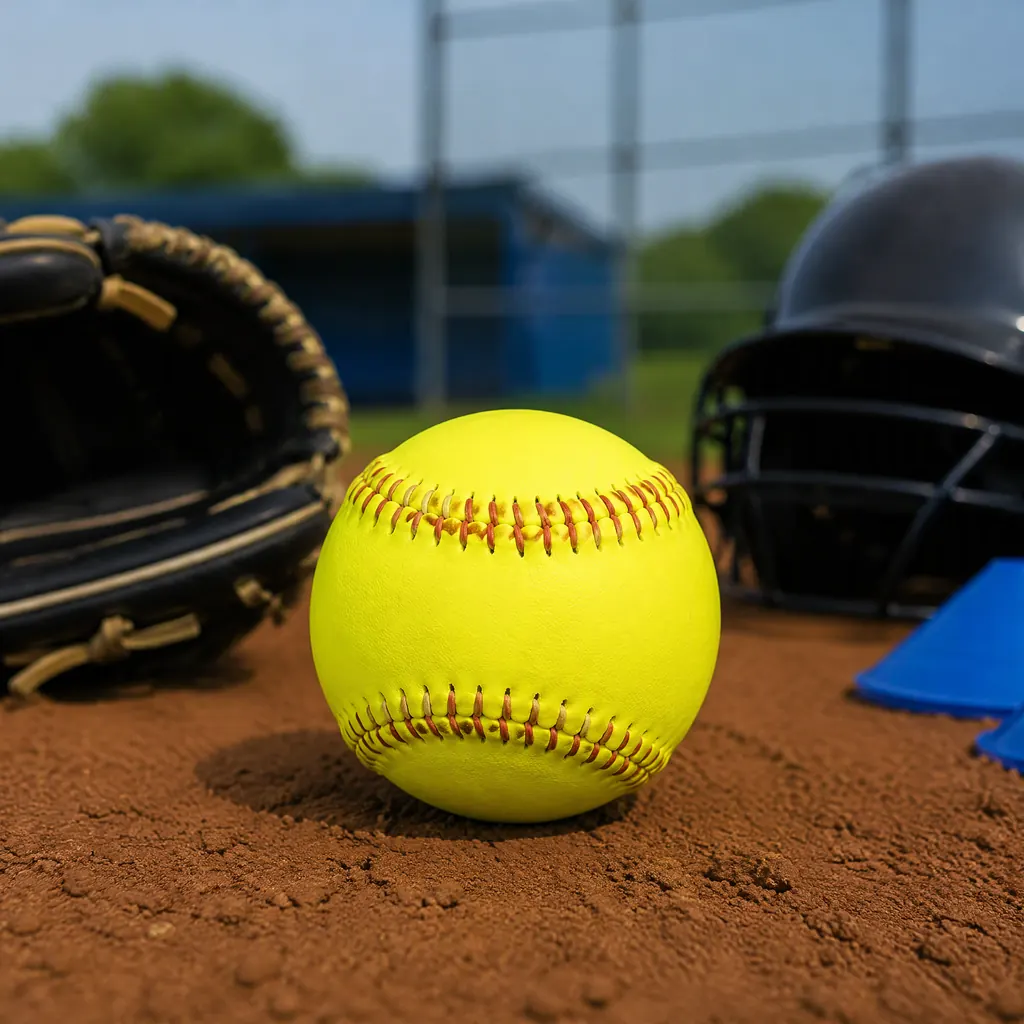
Choosing Softball Cover Materials for Team Programs
Choosing the right softball cover materials helps team programs balance grip, durability, field conditions, cleaning, budget, and replacement needs. A school, club, academy, or community program may use the same balls through repeated catching, throwing, batting practice, and storage, but the best cover is not identical for every environment. B2B buyers should compare physical samples and match the softball cover materials to the players, practice frequency, surface, weather exposure, and product position.
The outer cover is only one part of the product. Backing, core, winding, seams, coating, and finishing affect how the surface feels and how long it remains usable. A material name alone does not explain performance. The buyer should define the intended use first, then ask the supplier to show the complete construction behind each sample of softball cover materials.
Start with the team program requirements
Before requesting a quotation, describe the team program clearly. Identify the age group, player level, number of teams, practice frequency, indoor or outdoor use, field surface, storage method, and expected replacement cycle. A school may prioritize easy cleaning and controlled cost, while a club may place more value on hand feel, visual finish, and repeated use. These priorities should guide the choice of softball cover materials.
Also define how the balls will be used. Training may include catching lines, throwing drills, fielding, batting cages, tee work, and live practice. A program that uses the same ball in several activities needs balanced softball cover materials rather than a material optimized for only one contact. Ask suppliers to quote the same specification at different quantity levels so the team can compare unit cost without silently changing the softball cover materials. This keeps the softball cover materials decision connected to softball cover materials use, softball cover materials cost, and softball cover materials replacement planning.
Compare common cover options
Softball cover materials may include leather, synthetic leather, PU, PVC, composite constructions, or treated textile-based surfaces. Natural leather can provide a familiar hand feel and a traditional appearance, but it may require more careful storage and maintenance. Synthetic options can offer more uniform color, flexible artwork, and predictable supply. PU and composite covers may be positioned for comfortable handling or practical durability, depending on the formulation and finish.
Do not rank softball cover materials from the label alone. Compare cover texture, firmness, seam condition, surface marking, moisture response, and cleaning behavior. Ask the supplier to identify the cover layer, backing, coating, and construction method used in each approved sample. Two balls described as synthetic can feel different when the coating, backing, or seam profile changes. Record the approved softball cover materials, softball cover materials texture, and softball cover materials inspection reference.
Match cover to training intensity
High-frequency team programs need a cover that remains predictable after repeated contact. Inspect samples after representative catching, throwing, batting practice, and storage. Look for scuffing, peeling, cracking, surface dulling, seam lifting, and cover movement around the panels. The most durable option is not necessarily the hardest surface; durability depends on the complete ball construction and the field conditions.
For a school or beginner program, forgiving softball cover materials with manageable cost may be more useful than a premium material that needs special care. For a competitive club, a refined surface and stable seams may justify a higher specification. When comparing softball cover materials, record what changed after handling and connect the observation to the program's actual use instead of making a universal durability claim.
Grip, moisture, and field conditions
Grip depends on texture, cover hardness, surface treatment, seams, hand condition, and moisture. A cover that feels secure in a dry indoor cage may respond differently on a damp outdoor field. Test samples with clean hands and under the moisture conditions relevant to the program. Check whether the surface becomes slick, whether dirt collects in the texture, and whether wiping restores the intended feel.
Outdoor teams should also consider dust, soil, grass, rain, and sun exposure. Indoor programs may focus more on repeated wiping and storage in ball carts. Ask the supplier for care guidance and test the recommended cleaning method on the approved softball cover materials. Strong cleaners or aggressive scrubbing can change the finish, so softball cover materials maintenance instructions should be part of the product specification.
Feel and player confidence
Players notice how softball cover materials feel during catching, throwing, and batting. A surface that is too hard, too smooth, or inconsistent between panels may reduce confidence even when the ball looks attractive. Compare several balls from the same sample batch and use the same handling sequence for each. Record whether the softball cover materials feel soft, structured, tacky, dry, smooth, or uneven.
Team feedback can support the buying decision, but it should be organized. Ask coaches to describe specific actions rather than choosing a vague favorite. For example, note whether the ball is easy to catch with a glove, comfortable to grip for throwing, stable during batting practice, or easy to clean after field use. These observations help buyers select softball cover materials based on real program needs and softball cover materials handling priorities.
Cost and replacement planning
The cost of softball cover materials should be reviewed together with replacement, cleaning, packaging, freight, and storage. A low unit price may not be economical if the cover marks quickly or creates frequent replacement demand. A higher-grade cover may be justified when the program needs consistent handling across many sessions. Cost comparisons are meaningful only when cover, core, seams, artwork, packaging, and quality requirements remain the same.
Ask whether the supplier can reproduce the same softball cover materials in a later order. The quotation should identify the cover version, color, texture, backing, seam method, and packaging. If a supplier offers a lower price by changing the surface or construction, treat it as a different product. Keep replacement stock planning connected to the approved sample so a later shipment does not change the team's playing experience.
Sample and factory inspection
Before approving a bulk order, compare the production sample with the reference under consistent lighting, handling, and storage conditions. Inspect cover color, texture, seams, panel alignment, roundness, weight, core response, artwork, and packaging. Check several samples from different cartons when possible. The inspection should identify whether the softball cover materials match the specification and whether the factory has maintained the approved softball cover materials finishing process.
- Define the player group, field surface, practice frequency, weather, cleaning, and storage conditions.
- Record cover material, backing, coating, texture, seam method, core, size, and weight.
- Compare softball cover materials for grip, catching, throwing, batting, cleaning, and moisture response.
- Inspect scuffing, peeling, cracking, wrinkles, seam lifting, color, artwork, and panel consistency.
- Confirm carton quantity, labels, care information, protective packing, and replacement availability.
- Require approval before changing softball cover materials, coating, backing, seams, or finishing.
- Keep the approved ball, photos, material description, and inspection record with the purchase order.
Control repeat orders
For repeat orders, retain one approved ball and a written description of the softball cover materials. Include the softball cover materials layer, backing, coating, texture, color, seam profile, artwork, care method, packaging, and accepted handling response. Require written approval before the supplier changes a material, coating, adhesive, panel preparation, seam process, or finishing sequence.
When a new sample arrives, compare it with the previous reference using the same handling and inspection method. Record what stayed the same, what changed, and whether the product still suits the team program. A shared material record helps purchasing, coaches, quality staff, and suppliers communicate clearly and reduces surprises in replenishment orders.
Conclusion
Softball cover materials should be selected from actual team use rather than a material label or lowest quotation. Compare grip, durability, moisture response, cleaning, player feel, cost, and repeat-order consistency with complete physical samples. For B2B buyers, the safest process is to define the program, approve a written construction, inspect production samples, and control material changes before shipment. This helps teams receive softball products that remain predictable throughout regular practice.