
 EN
EN
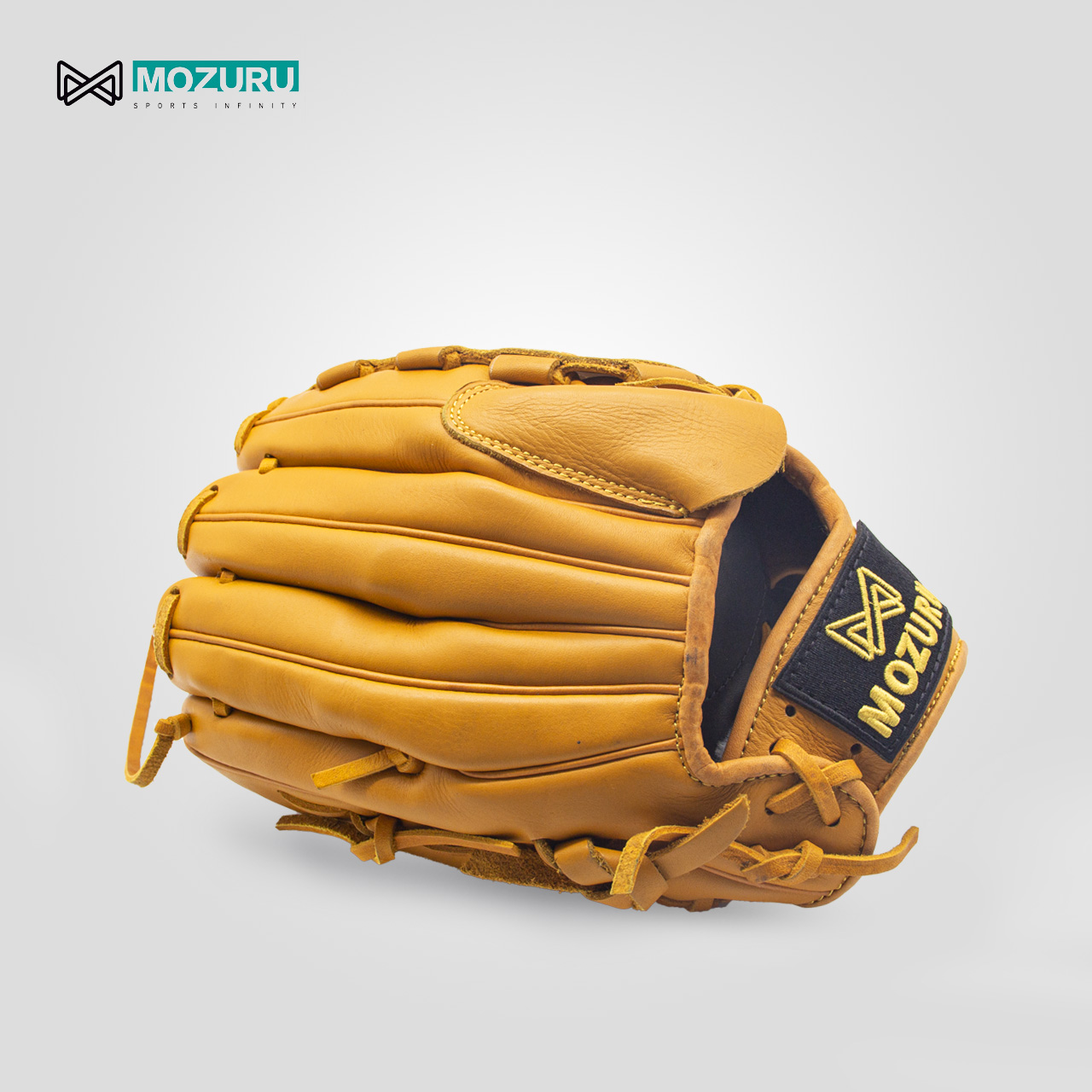
Professional baseball demands equipment that performs consistently under the most demanding conditions. Baseball glove performance directly impacts defensive success, with players relying on their gloves through hundreds of catches, throws, and slides throughout extended seasons. Understanding the factors that contribute to sustained baseball glove performance helps players, coaches, and equipment managers make informed decisions about gear selection and maintenance protocols.
High-frequency play environments expose gloves to repetitive stress patterns that test material durability, structural integrity, and functional design elements. The ability to maintain consistent catching capability, pocket retention, and overall responsiveness becomes critical when teams face compressed schedules with multiple games per week. This analysis examines the engineering principles and material science innovations that enable superior baseball glove performance in demanding competitive scenarios.
Material Engineering and Durability Standards
Leather Selection and Processing Techniques
Premium baseball glove performance begins with careful leather selection and specialized processing methods. Full-grain steerhide represents the industry standard for professional-grade equipment due to its dense fiber structure and natural oil content. The tanning process involves multiple stages of conditioning that preserve flexibility while enhancing resistance to moisture, temperature fluctuations, and mechanical stress. Advanced processing techniques incorporate controlled stretching and compression cycles that pre-condition the leather for competitive use.
Modern manufacturing facilities employ precision thickness gauging to ensure consistent material properties across different glove sections. Palm areas typically utilize thicker leather sections ranging from 3.5 to 4.0 millimeters, while finger portions require more flexible materials measuring 2.8 to 3.2 millimeters. This graduated thickness distribution optimizes both protection and dexterity, enabling players to maintain sensitive ball handling while withstanding repeated impact forces.
Quality control protocols include tensile strength testing, flexibility measurements, and accelerated aging assessments that simulate years of competitive use. Leading manufacturers establish baseline performance metrics that leather samples must exceed before approval for production. These standards ensure that baseball glove performance remains consistent even after thousands of catching cycles in various weather conditions and playing environments.
Reinforcement Systems and Structural Design
Strategic reinforcement placement significantly influences long-term baseball glove performance by distributing stress loads across multiple structural elements. Double-layer construction in high-wear areas such as the thumb joint, index finger base, and pocket bottom prevents premature failure while maintaining overall flexibility. Advanced stitching patterns incorporate both traditional hand-sewing techniques and modern synthetic thread materials that offer superior tensile strength and UV resistance.
Internal support frameworks, including palm padding and finger stiffeners, contribute to sustained shape retention during extended use periods. These components utilize advanced polymer materials that provide consistent cushioning properties across temperature ranges from freezing winter conditions to summer heat exceeding 100 degrees Fahrenheit. The integration of these elements requires precise engineering to avoid creating pressure points that could compromise comfort or functionality.
Webbing design represents another critical factor in maintaining baseball glove performance throughout high-frequency play scenarios. Professional-grade models incorporate reinforced webbing connections that resist stretching and tearing under repeated stress. The geometry of web patterns affects both ball visibility and pocket formation, requiring careful balance between structural integrity and functional requirements for different defensive positions.
Break-In Processes and Performance Optimization
Controlled Conditioning Methods
Proper break-in procedures establish the foundation for consistent baseball glove performance over extended competitive periods. Professional conditioning protocols involve graduated stress application that encourages controlled fiber alignment while preserving leather integrity. Steam conditioning treatments utilize precise temperature and humidity controls to accelerate the natural flexibility development process without compromising material strength.
Mechanical conditioning systems apply consistent pressure patterns that simulate thousands of catching motions in compressed timeframes. These processes create uniform pocket formation while maintaining the structural relationships between different glove sections. The timing and intensity of conditioning cycles must be carefully calibrated to achieve optimal results without over-processing the leather materials.
Modern break-in methodologies incorporate data-driven approaches that monitor flexibility progression through objective measurement techniques. Flexibility testing equipment quantifies resistance levels at various joint positions, enabling technicians to achieve precise performance targets. This scientific approach ensures that each glove reaches optimal baseball glove performance characteristics before entering competitive use.
Maintenance Protocols for Sustained Performance
Regular maintenance routines prevent performance degradation and extend the effective lifespan of professional-grade equipment. Cleaning protocols remove accumulated dirt, sweat, and environmental contaminants that can compromise leather flexibility and structural integrity. Specialized conditioning treatments restore moisture content and maintain optimal suppleness without creating excessive softness that could affect pocket retention.
Storage procedures significantly impact long-term baseball glove performance by controlling environmental factors that influence material properties. Climate-controlled storage maintains consistent temperature and humidity levels that prevent leather cracking, warping, or excessive drying. Proper positioning during storage periods preserves pocket shape and prevents stress concentration that could lead to premature failure of critical structural elements.
Inspection schedules identify potential issues before they compromise performance in competitive situations. Regular assessment of stitching integrity, leather condition, and structural alignment enables proactive maintenance interventions. Documentation of wear patterns and performance changes provides valuable data for optimizing replacement schedules and improving future equipment selection decisions.
Position-Specific Design Considerations
Infield Glove Engineering Requirements
Infield positions demand specific design characteristics that optimize baseball glove performance for quick ball transfers and precise defensive plays. Shorter pocket depths facilitate rapid ball extraction while maintaining secure catching capability during routine ground balls and line drives. The balance between pocket security and release speed requires careful engineering of web geometry and finger positioning.
Middle infielders benefit from lightweight construction that reduces hand fatigue during extended games while maintaining structural durability. Advanced materials and optimized thickness distribution enable weight reductions of 15-20% compared to traditional designs without compromising protection or functionality. These improvements become particularly valuable during double-header schedules and extended tournament play.
Third base and shortstop positions require enhanced impact protection due to the high velocity of balls encountered in these defensive zones. Reinforced palm padding and strategic finger protection integrate seamlessly with overall glove design to provide security without limiting dexterity. The engineering challenge involves maintaining sensitivity for soft defensive plays while offering adequate protection during hard-hit balls.
Outfield Glove Optimization Strategies
Outfield positions benefit from larger catching surfaces and deeper pockets that enhance baseball glove performance during challenging fly ball situations. Extended finger length and wider web patterns increase the effective catching area while maintaining structural integrity under high-stress conditions. The additional size requires careful weight distribution to prevent arm fatigue during lengthy games.
Deep pocket construction in outfield gloves accommodates secure ball retention during running catches and collision scenarios. The geometry of pocket formation must balance security with accessibility, ensuring that fielders can quickly locate and extract balls during time-critical situations. Advanced pocket designs incorporate graduated depth profiles that guide balls toward optimal grip positions.
Outfield gloves encounter unique environmental challenges including extended sun exposure, temperature variations, and potential contact with warning track surfaces. Enhanced UV protection treatments and reinforced exterior surfaces maintain performance characteristics despite harsh playing conditions. These protective measures preserve both aesthetic appearance and functional properties throughout extended outdoor use.
Performance Testing and Quality Assurance
Standardized Testing Protocols
Comprehensive testing procedures evaluate baseball glove performance across multiple criteria including durability, functionality, and consistency measures. Impact testing simulates thousands of catching cycles using calibrated force applications that replicate game conditions. Flexibility assessments measure resistance characteristics at various temperatures and humidity levels to ensure consistent performance across diverse playing environments.
Accelerated aging protocols expose gloves to controlled environmental stress that simulates years of competitive use in compressed timeframes. UV exposure chambers, temperature cycling systems, and moisture variation tests identify potential failure modes before products reach competitive use. These procedures enable manufacturers to refine designs and materials for enhanced long-term reliability.
Statistical analysis of testing data establishes performance baselines and identifies design improvements that enhance baseball glove performance metrics. Comparative studies evaluate different material combinations, construction techniques, and design variations to optimize overall effectiveness. This data-driven approach enables continuous improvement in equipment design and manufacturing processes.
Field Performance Validation
Professional player feedback provides crucial insights into real-world baseball glove performance characteristics that laboratory testing cannot fully replicate. Detailed performance logs document catching success rates, comfort levels, and durability observations throughout competitive seasons. This information guides design refinements and helps establish realistic performance expectations for different use scenarios.
Performance tracking systems monitor glove condition changes throughout competitive seasons using objective measurement techniques. Digital calipers measure pocket depth variations, flexibility gauges assess joint resistance changes, and photographic documentation tracks visual wear patterns. These systematic approaches provide quantitative data about performance degradation rates and optimal replacement timing.
Collaborative relationships between equipment manufacturers and professional organizations facilitate ongoing performance validation studies. Access to elite-level playing conditions enables testing under the most demanding scenarios while providing feedback from athletes with exceptional skill levels. These partnerships drive innovation in baseball glove performance technology and establish industry leadership in equipment development.
Innovation Trends and Future Developments
Advanced Material Integration
Emerging material technologies promise significant improvements in baseball glove performance through enhanced durability, reduced weight, and improved environmental resistance. Synthetic leather alternatives demonstrate superior consistency in manufacturing while offering performance characteristics that complement traditional materials. Hybrid construction techniques combine the best attributes of natural and synthetic materials for optimized results.
Nanotechnology applications enable surface treatments that enhance grip characteristics while maintaining breathability and flexibility. Moisture-wicking treatments integrated into leather surfaces improve comfort during extended play while preventing performance degradation from sweat accumulation. These innovations address common performance challenges without compromising traditional feel and responsiveness.
Smart material integration opens possibilities for adaptive baseball glove performance that responds to environmental conditions and usage patterns. Temperature-responsive polymers could optimize flexibility across varying climate conditions, while embedded sensors might provide performance feedback and maintenance scheduling recommendations. These advanced technologies represent the future evolution of defensive equipment design.
Manufacturing Process Innovations
Precision manufacturing technologies enable more consistent baseball glove performance through improved quality control and reduced production variations. Computer-controlled cutting systems ensure exact pattern matching, while automated stitching processes maintain uniform tension and spacing throughout construction. These technological advances reduce performance variations between individual gloves of the same model.
Three-dimensional scanning and modeling capabilities allow for customized glove design that optimizes fit and performance for individual players. Digital measurement systems capture precise hand dimensions and movement patterns, enabling personalized modifications that enhance comfort and effectiveness. This individualized approach represents a significant advancement in equipment customization capabilities.
Additive manufacturing techniques offer possibilities for creating internal support structures and reinforcement elements that would be impossible with traditional construction methods. Complex geometries optimized through computer modeling could enhance baseball glove performance while reducing weight and improving durability. These manufacturing innovations enable design possibilities previously limited by conventional production constraints.
FAQ
How long does it typically take for a new baseball glove to reach optimal performance levels
Professional-grade baseball gloves typically require 2-4 weeks of regular use to achieve optimal baseball glove performance characteristics. The break-in period depends on leather quality, construction methods, and usage intensity. Proper conditioning techniques can accelerate this process while ensuring that performance improvements occur without compromising long-term durability. Players who use gloves daily in practice and games generally see faster development than those with limited playing time.
What environmental factors most significantly impact glove performance consistency
Temperature and humidity variations represent the primary environmental challenges for maintaining consistent baseball glove performance. Extreme heat can cause leather to become overly soft and lose shape retention, while cold temperatures may reduce flexibility and impact absorption. High humidity can lead to excessive moisture absorption that affects weight and handling characteristics, while very dry conditions may cause cracking and stiffness. Proper storage and conditioning help mitigate these environmental impacts.
How do professional players maintain peak glove performance during intensive playing schedules
Professional players typically maintain multiple gloves in rotation to ensure consistent baseball glove performance throughout demanding schedules. Daily cleaning routines remove dirt and moisture that could compromise leather condition, while regular conditioning treatments preserve flexibility and prevent cracking. Many players work with equipment managers who monitor glove condition and perform maintenance procedures between games. Storage in climate-controlled environments and proper positioning help maintain shape and structural integrity during rest periods.
What specific indicators suggest that a baseball glove needs replacement for optimal performance
Key indicators of declining baseball glove performance include pocket depth changes that affect ball security, flexibility loss in finger joints that limits dexterity, and visible wear patterns that suggest structural weakness. Stitching deterioration, especially in high-stress areas, can compromise overall integrity and safety. When conditioning treatments no longer restore proper suppleness or when shape retention becomes problematic, replacement becomes necessary to maintain competitive performance standards. Professional players often replace gloves preemptively to avoid performance compromises during critical games.
Table of Contents
- Material Engineering and Durability Standards
- Break-In Processes and Performance Optimization
- Position-Specific Design Considerations
- Performance Testing and Quality Assurance
- Innovation Trends and Future Developments
-
FAQ
- How long does it typically take for a new baseball glove to reach optimal performance levels
- What environmental factors most significantly impact glove performance consistency
- How do professional players maintain peak glove performance during intensive playing schedules
- What specific indicators suggest that a baseball glove needs replacement for optimal performance