
 EN
EN
محبوبیت فزایندهی پیکلبال، بسیاری از ورزشکاران را با ورزشی آشنا کرده است که عناصری از تنیس، بدمینتون و پینگپونگ را در خود جای داده است؛ با این حال، نیازهای تجهیزاتی آن بهطور قابلتوجهی با ورزشهای سنتی راکتی متفاوت است. درک اینکه راکت پیکلبال چگونه از راکتهای تنیس متمایز میشود، برای ورزشکارانی که بین این دو ورزش جابهجا میشوند یا کسانی که به دنبال بهینهسازی عملکرد خود در زمین هستند، امری ضروری است. اگرچه در هر دو ورزش از یک راکت برای ضربه زدن به توپ استفاده میشود، اما اصول اساسی طراحی، مواد ساختاری و ویژگیهای عملکردی، تفاوتهای مشخصی ایجاد میکنند که مستقیماً بر استراتژی بازی و تجربهی ورزشکار تأثیر میگذارند.
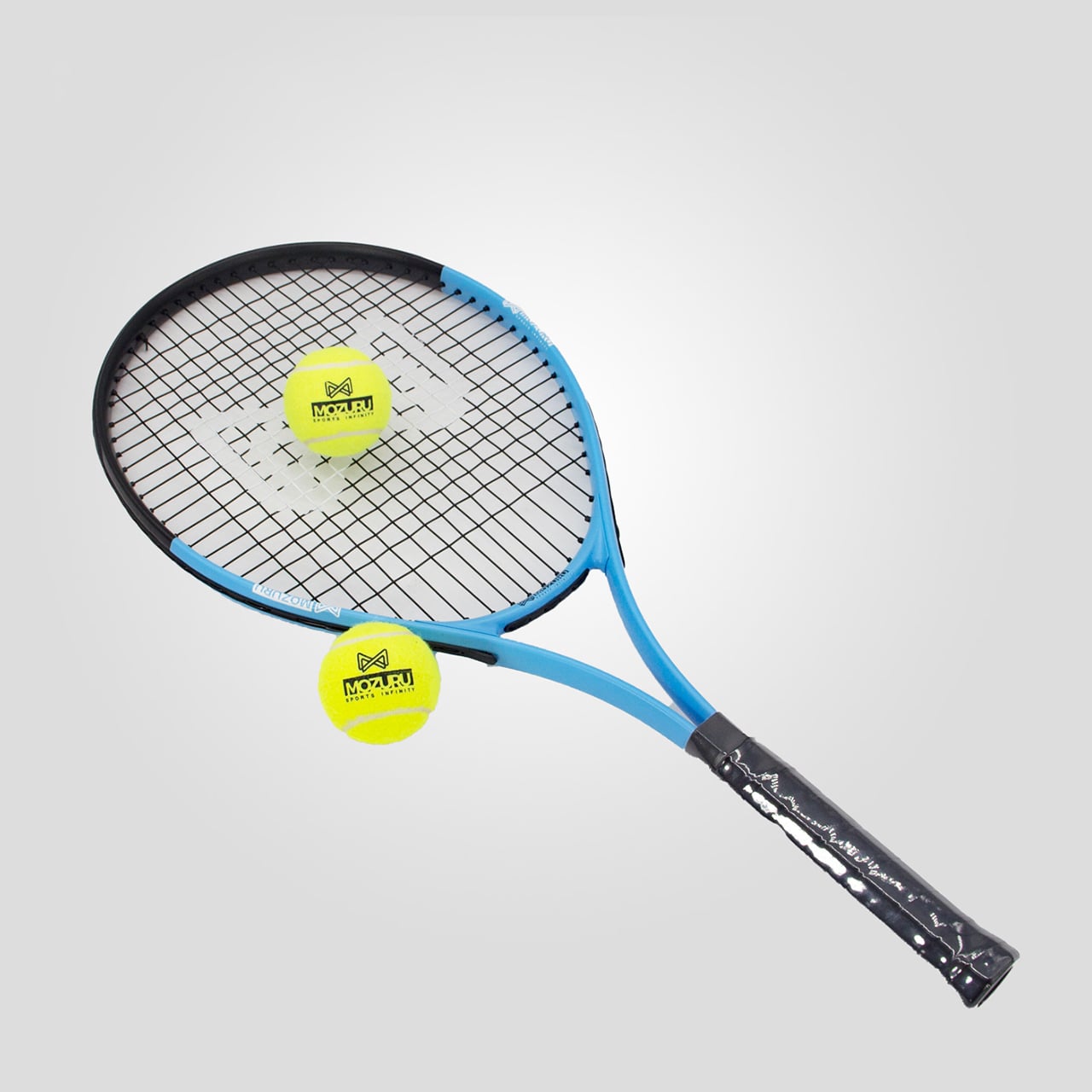
تفاوتهای بین راکت پیکلبال و راکتهای تنیس فراتر از تفاوتهای ظاهری سطحی، شامل رویکردهای مهندسی اساسی است که برای پاسخگویی به نیازهای منحصر به فرد هر ورزش طراحی شدهاند. راکتهای تنیس برای تولید توان و چرخش برای توپ سنگینتری که با سرعت بالا در سطح زمینی بزرگتر حرکت میکند، توسعه یافتهاند؛ در حالی که راکتهای پیکلبال برای ارائه کنترل دقیق و لمس ظریف برای توپ سبکتر و سوراخداری که در زمینی کوچکتر و با الزامات خاصی درباره ارتفاع تور اجرا میشود، طراحی شدهاند. این فلسفههای طراحی، تفاوتهای قابل اندازهگیری در توزیع وزن، مساحت سطحی، سیستمهای کشش طناب و روش کلی ساخت را ایجاد میکنند که مستقیماً بر نحوه تعامل ورزشکاران با ورزش مربوطه تأثیر میگذارند.
ابعاد فیزیکی و ویژگیهای وزنی
اندازه کلی و سطح بازی
راکت پیکلبال ابعادی بسیار کوچکتر نسبت به راکتهای تنیس دارد؛ سطح بازی آن معمولاً بین ۱۵٫۵ تا ۱۷ اینچ در طول و ۷ تا ۸٫۵ اینچ در عرض اندازهگیری میشود. راکتهای تنیس دارای اندازه استاندارد سر راکتی بین ۹۵ تا ۱۱۰ اینچ مربع هستند و طول کلی آنها از ۲۷ تا ۲۹ اینچ متغیر است. سطح کوچکتر راکت پیکلبال، تأکید این ورزش بر قرارگیری دقیق توپ به جای تولید نیرو را منعکس میکند و به بازیکنان امکان اجرای ضربههای کنترلشده را در ابعاد محدود زمین (۲۰ در ۴۴ فوت) فراهم میسازد، در حالی که ابعاد زمین تنیس ۳۶ در ۷۸ فوت است.
طراحی فشردهی راکت پیکلبال مکان و اندازهی نقطهی شیرین (sweet spot) متفاوتی نسبت به راکتهای تنیس ایجاد میکند که لازم میسازد بازیکنان الگوهای خاصی از هماهنگی چشم و دست و مکانیک سوئینگ را توسعه دهند. راکتهای تنیس از طول افزودهشان برای ایجاد اهرم لازم جهت اجرای ضربات زمینی قدرتمند و سرویسهای مؤثر استفاده میکنند، در حالی که راکتهای پیکلبال بر تحرکپذیری بالا تأکید دارند تا بازیکنان بتوانند در تعویضهای سریع در نزدیکی تور و اجرای ضربات دقیق «دینک» (dink) با لمس ظریف و کنترل دقیق عمل کنند.
توزیع وزن و نقاط تعادل
ویژگیهای وزن نیز تفاوتی اساسی دیگر بین راکتهای پیکلبال و تجهیزات تنیس محسوب میشوند؛ بهطوریکه اکثر راکتهای پیکلبال بین ۶ تا ۱۴ اونس وزن دارند، در حالی که راکتهای تنیس معمولاً در محدودهی ۹ تا ۱۲٫۵ اونس قرار میگیرند. با این حال، الگوهای توزیع وزن تأثیرات عملکردی عمیقتری نسبت به اندازهگیری مطلق وزن ایجاد میکنند. راکت پیکلبال جرم خود را در نزدیکی دسته متمرکز میکند و این امر تعادلی سبکسر (head-light) ایجاد مینماید که واکنشهای سریع را بهبود بخشیده و خستگی را در جلسات بازی طولانی کاهش میدهد.
راکتهای تنیس از نقاط تعادل مختلفی استفاده میکنند تا با سبکهای مختلف بازی سازگار باشند؛ برخی از مدلها دارای تنظیم سنگینسر هستند تا قدرت بیشتری ایجاد کنند، در حالی که برخی دیگر تعادل یکنواختی را برای انعطافپذیری حفظ میکنند. راکت پیکلبال طراحی این راکتها بر روی تعادل پایدار تمرکز دارد تا به تأکید ورزش تنیس بر بازی نزدیک به تور و نبردهای سریع دستی پاسخ دهد، جایی که واکنشهای چند صدم ثانیهای اغلب بیش از تولید خالص قدرت، بر نتیجه امتیاز تأثیر میگذارند.
مواد ساخت و رویکردهای تولید
مواد هستهای و طراحی ساختاری
ساختار داخلی راکت پیکلبال بهطور قابلتوجهی با مهندسی راکت تنیس متفاوت است و از مواد هستهای مانند شبکههای پلیمری، شبکههای آلومینیومی یا شبکههای نومکس برای ساخت سطح ضربهزننده پدل استفاده میکند. این مواد ویژگیهای صوتی، سطوح توان و مشخصات دوام متفاوتی ارائه میدهند، در حالی که طراحی جامد پدل که ویژگی تعریفکنندهٔ تجهیزات پیکلبال است را حفظ میکنند. راکتهای تنیس از سازهٔ قاب توخالی با بستر طنابها استفاده میکنند که انعطافپذیری و مکانیزمهای انتقال توان مشخصهٔ آنها را ایجاد میکنند.
هستههای پلیمری در راکتهای پیکلبال بازی آرامتری ارائه میدهند و کنترل را بهبود میبخشند، بنابراین محبوبیت زیادی در میان بازیکنانی دارند که لمس ظریف و دقت را بر قدرت خام ارجح میدانند. هستههای مشبک آلومینیومی پتانسیل قدرت بیشتری فراهم میکنند و صدای فلزی متمایزی تولید مینمایند، در حالی که هستههای نومکس بیشترین خروجی قدرت را با بلندترین صدای شنیداری ارائه میدهند. راکتهای تنیس از طریق تغییرات کشش طنابها، تنظیمات سفتی قاب و اصلاح اندازه سر راکت (Head Size) — نه انتخاب جنس هسته — به منظور دستیابی به قدرت و کنترل عمل میکنند.
فناوری سطح و ویژگیهای بافت
فناوری سطح یک نقطه تمایز حیاتی بین راکتهای پیکلبال و تجهیزات تنیس محسوب میشود؛ بهطوری که پدلهای پیکلبال دارای سطح ضربهزنی جامد هستند که ممکن است شامل پوششهای بافتدار، لایههای فیبر کربن یا ترکیبات فیبرگلاس باشند. این پوششهای سطحی بر چسبندگی توپ، پتانسیل ایجاد چرخش (اسپین) و ویژگیهای دوام تأثیر میگذارند، در عین حال با استانداردهای اتحادیه تنیس ایالات متحده (USA) سازگان دارند. پیکلبال مقررات مربوط به زبری سطح و محدودیتهای بافت سطحی. راکتهای تنیس کاملاً بر الگوهای طنابکشی و کشش آنها تکیه دارند تا بر تعامل توپ تأثیر بگذارند، نه بر اصلاحات سطحی.
سطح پیشرفتهٔ راکتهای پیکلبال از بافتههای فیبر کربنی استفاده میکند که توان تولیدی را افزایش داده و لرزش را کاهش میدهد، در عین حفظ بازخورد لامسهای ضروری برای بازی کنترلشده در نزدیکی تور. سطوح فیبرگلاس مقاومت عالی و عملکرد ثابتی در شرایط جوی متفاوت ارائه میدهند، در حالی که پوششهای بافتدار میتوانند تولید چرخش را در محدودههای مقرراتی افزایش دهند. طراحی سطحی جامد راکت پیکلبال نیاز به نگهداری طنابها را که راکتبازان تنیس بهطور منظم با آن مواجه هستند — از جمله برنامهریزی بازتنیدن و افت کشش در طول زمان — را حذف میکند.
ویژگیهای عملکردی و تأثیر آنها بر بازی
تولید توان و مکانیزمهای کنترل
مکانیزم تولید نیروی راکت پیکلبال بر اساس اصولی کاملاً متفاوت با راکتهای تنیس عمل میکند و به جای الاستیسیته بستر طنابها، بر ترکیب هسته و مواد سطحی متکی است. راکتهای پیکلبال نیرو را از طریق ویژگیهای فشردگی و بازگشت هستههای کندویی خود تولید میکنند؛ بهطوریکه هستههای سفتتر نیروی بیشتری ایجاد میکنند و هستههای نرمتر کنترل بهتری ارائه میدهند. در مقابل، راکتهای تنیس نیرو را از طریق انحراف بستر طنابها، انعطافپذیری قاب و انتقال انرژی جنبشی که توسط مسیرهای طولانیتر سوئینگ و سرعت سر راکت تسهیل میشود، به دست میآورند.
ویژگیهای کنترل در راکتهای پیکلبال از طراحی سطح جامد پدل ناشی میشود که پاسخ قابل پیشبینیتری از توپ ایجاد میکند و متغیرهای ناشی از حرکت طنابها—که بر ضربههای تنیس تأثیر میگذارند—را حذف میکند. بازیکنان از طریق مدیریت زاویه پدل، کنترل سرعت حرکت سوئینگ و انتخاب نقطه تماس با توپ، حس لامسه و دقت خود را توسعه میدهند؛ نه اینکه با تغییرات کشش طناب یا تغییرات عملکرد طناب ناشی از شرایط آبوهوایی سازگار شوند. این تفاوت اساسی، توسعه حافظه عضلانی متفاوت و سازگاری با تکنیکهای ضربهزنی خاصی را برای بازیکنانی که بین این دو ورزش جابهجا میشوند، الزامی میسازد.
تولید چرخش و تعامل با توپ
قابلیت تولید اسپین در راکتهای پیکلبال و تجهیزات تنیس بهطور قابلتوجهی بر اساس تفاوتهای طراحی سطح و ویژگیهای توپ متفاوت است. یک راکت پیکلبال اسپین را از طریق اصطکاک سطحی روی توپ پلاستیکی صاف ایجاد میکند، بهطوریکه سطوح بافتدار راکتهای پیکلبال در چارچوب محدودیتهای نظارتی، چسبندگی را افزایش میدهند. راکتهای تنیس پتانسیل تولید اسپین بسیار بیشتری را از طریق تنوع الگوهای طناببندی فراهم میکنند؛ از جمله الگوهای باز طناببندی که امکان گرفتن بیشتر توپ را فراهم میسازند و الگوهای بسته طناببندی که کنترل بیشتری ارائه داده و در عین حال قابلیت تولید اسپین را کاهش میدهند.
توپ سوراخدار پیکلبال ویژگیهای آیرودینامیکی منحصربهفردی ایجاد میکند که در واکنش به تلاشهای چرخشی، برخلاف توپهای تنیس با روکش فلت، رفتار متفاوتی از خود نشان میدهد؛ بنابراین طراحی راکتهای پیکلبال باید این الگوهای تعاملی را در نظر بگیرد. بازیکنان پیشرفته با استفاده از زوایای سطحی پدل و تکنیکهای تماس، چرخشهای جلو (topspin)، عقب (backspin) و جانبی (sidespin) را تولید میکنند که مسیر حرکت توپ و ویژگیهای پرش آن را در ابعاد مشخص زمین بازی و ارتفاع تورِ پیکلبال تحت تأثیر قرار میدهند.
استانداردهای نظارتی و مشخصات تجهیزات
الزامات نهادهای رسمی ناظر
انجمن پیکلبال ایالات متحده آمریکا (USA Pickleball) استانداردهای نظارتی خاصی را برای ساخت راکتهای پیکلبال تعیین کرده است که تفاوت قابل توجهی با الزامات اتحادیه بینالمللی تنیس (ITF) در زمینه تجهیزات تنیس دارد. طول و عرض ترکیبی پدلهای پیکلبال نباید از ۲۴ اینچ فراتر رود و همچنین محدودیتهایی در ضخامت و زبری سطح وجود دارد تا اطمینان حاصل شود که بازی در تمام سطوح رقابتی منصفانه انجام میشود. از سوی دیگر، راکتهای تنیس تحت محدودیتهای نظارتی متفاوتی قرار دارند که عمدتاً بر ابعاد قاب، مشخصات الگوی طنابکشی و حداکثر طول کلی تمرکز دارند و این محدودیتها با توجه به نیازهای ورزش تنیس به لحاظ قدرت و سرعت تعیین شدهاند.
چارچوب نظارتی بر راکتهای پیکلبال شامل محدودیتهایی در زمینه افزودنیهای سطحی، پردازشهای بافتی و اصلاحات جذبکننده صدا است که ممکن است در بازی رقابتی به نفع ناعادلانهای منجر شوند. این مشخصات تضمین میکنند که یک راکت پیکلبال در محدودههای تعیینشدهای عمل کند، در عین حال به سازندگان انعطاف کافی در طراحی میدهد تا محصولاتی را ایجاد کنند که برای سطوح مهارتی مختلف و ترجیحات بازی مناسب باشند. تجهیزات مجاز برای مسابقات باید پروتکلهای آزمون خاصی را با موفقیت پشت سر بگذارند که از انطباق آنها با الزامات ابعادی، وزنی و بافت سطحی اطمینان حاصل میکنند.
معیارهای کیفیت تولید
استانداردهای کنترل کیفیت در تولید راکت پیکلبال بر روی یکپارچگی هسته، چسبندگی سطح و دوام ساختار دسته تمرکز دارند، نه بر روی دقت بستر طنابها که در تولید راکت تنیس مورد نیاز است. سازندگان باید اطمینان حاصل کنند که چگالی هسته بهصورت یکنواخت باشد، لامیناسیون سطح بهدرستی انجام شده باشد و اتصال محافظ لبهها قابل اعتماد باشد تا استانداردهای عملکرد حرفهای را برآورده سازند. ساختار جامد پدلهای پیکلبال، نیازهای پیچیده کنترل کیفیت مربوط به دقت سوراخهای طناب در راکتهای تنیس و یکنواختی انعطافپذیری قاب را حذف میکند.
فرآیندهای پیشرفته تولید راکتهای پیکلبال شامل تکنیکهای ترموفورمینگ است که اتصالاتی بدون درز بین سطح و هسته ایجاد میکند، سیستمهای برش دقیق که ابعاد یکنواخت پدل را تضمین میکنند، و پروتکلهای آزمون کیفیت که استحکام ساختاری را در شرایط بازی رقابتی تأیید مینمایند. این رویکردهای تولید با روشهای تولید راکتهای تنیس تفاوت دارد که بر دقت قالبگیری قاب، صحت تراز کردن سوراخهای طناب و آزمون انعطافپذیری در شرایط محیطی مختلف تأکید دارد.
سوالات متداول
آیا میتوانم برای بازی پیکلبال بهطور مؤثر از یک راکت تنیس استفاده کنم؟
اگرچه از نظر فنی امکانپذیر است، اما استفاده از راکت تنیس برای پیکلبال به دلیل تفاوتهای اساسی در طراحی، معایب قابل توجهی ایجاد میکند. راکتهای تنیس بیش از حد بلند هستند و برای بازی مؤثر پیکلبال مناسب نیستند؛ بنابراین تبادل سریع توپ در نزدیکی تور دشوار میشود و دقت ضربات کاهش مییابد. علاوه بر این، طراحی سطح تارهای راکت نیز در تعامل با توپهای سوراخدار پیکلبال عملکرد ضعیفی دارد و پاسخ غیرقابل پیشبینی توپ و کنترل کمتری ایجاد میکند. اکثر امکانات تفریحی و مسابقهای رسمی برای انجام بازی سازمانیافته، استفاده از راکتهای اختصاصی پیکلبال را الزامی میدانند؛ بنابراین داشتن یک راکت اختصاصی پیکلبال برای مشارکت جدی در این ورزش ضروری است.
چه چیزی راکتهای پیکلبال را نسبت به راکتهای تنیس برای مبتدیان مناسبتر میکند؟
راکتهای پیکلبال مزایای متعددی برای تازهکارها ارائه میدهند، از جمله وزن سبکتر که خستگی بازو را کاهش میدهد، طول کوتاهتر که قابلیت مانورپذیری را بهبود میبخشد و سطوح جامد که پاسخ پیشبینیپذیرتری از توپ ایجاد میکنند. ناحیهٔ «شیرین» (sweet spot) بزرگتر نسبت به اندازهٔ راکت، تماس ثابتتری را برای بازیکنان تازهکار تسهیل میکند، در حالی که پتانسیل کمتر توان راکت به تازهکارها کمک میکند تا فنآوری مناسب را بدون اینکه سرعت شوتها آنها را تحت فشار قرار دهد، توسعه دهند. علاوه بر این، راکتهای پیکلبال نیازی به نگهداری رشتهها ندارند و بنابراین پیچیدگی و هزینههای مستمر مربوط به نگهداری راکتهای تنیس را از بین میبرند.
شرایط آبوهوایی چگونه بهصورت متفاوتی بر راکتهای پیکلبال نسبت به راکتهای تنیس تأثیر میگذارند؟
شرایط آبوهوایی عمدتاً از طریق انبساط مواد سطحی و تغییرات در عملکرد هسته، بر راکتهای پیکلبال تأثیر میگذارند، در حالی که راکتهای تنیس با چالشهای اضافی ناشی از تغییرات کشش طنابها و اثرات رطوبت بر مواد طنابها مواجه میشوند. دمای پایین ممکن است بهصورت جزئی هستهٔ راکتهای پیکلبال را سفتتر کند و توان ضربه را کاهش دهد، در حالی که گرما میتواند پاسخدهی هسته را افزایش دهد. با این حال، این تغییرات عموماً کمتر شدید از نوسانات قابلتوجه کشش طنابها هستند که بازیکنان تنیس در شرایط مختلف آبوهوایی با آن مواجه میشوند؛ بنابراین راکتهای پیکلبال در محیطهای مختلف بازی پایداری بیشتری دارند.
چرا راکتهای پیکلبال در یک محدوده قیمتی مشابه، قیمت متفاوتی نسبت به راکتهای تنیس دارند؟
تفاوتهای قیمتی بین راکتهای پیکلبال و راکتهای تنیس، بازتابی از پیچیدگیهای ساخت متفاوت و هزینههای مواد اولیه است. راکتهای پیکلبال در رده بالا سرمایهگذاریهایی در مواد اولیه پیشرفته هسته، فناوریهای سطحی و فرآیندهای تولید دقیق انجام میدهند که سبب ساخت محکم آنها میشود؛ در حالی که راکتهای تنیس با قیمت مشابه بر مهندسی قاب، بهینهسازی الگوی طنابکشی و ویژگیهای انعطافپذیری تمرکز دارند. بازار جدیدتر تجهیزات پیکلبال نیز بر ساختارهای قیمتگذاری تأثیر میگذارد؛ بهطوریکه مواد اولیه پremium مانند فیبر کربن و هستههای ششضلعی پیشرفته، با افزایش تقاضا و توسعه فناوریهای تخصصی توسط سازندگان برای این بخش رو به رشد ورزشی، قیمتهای بالاتری را به خود اختصاص میدهند.
فهرست مطالب
- ابعاد فیزیکی و ویژگیهای وزنی
- مواد ساخت و رویکردهای تولید
- ویژگیهای عملکردی و تأثیر آنها بر بازی
- استانداردهای نظارتی و مشخصات تجهیزات
-
سوالات متداول
- آیا میتوانم برای بازی پیکلبال بهطور مؤثر از یک راکت تنیس استفاده کنم؟
- چه چیزی راکتهای پیکلبال را نسبت به راکتهای تنیس برای مبتدیان مناسبتر میکند؟
- شرایط آبوهوایی چگونه بهصورت متفاوتی بر راکتهای پیکلبال نسبت به راکتهای تنیس تأثیر میگذارند؟
- چرا راکتهای پیکلبال در یک محدوده قیمتی مشابه، قیمت متفاوتی نسبت به راکتهای تنیس دارند؟