
 EN
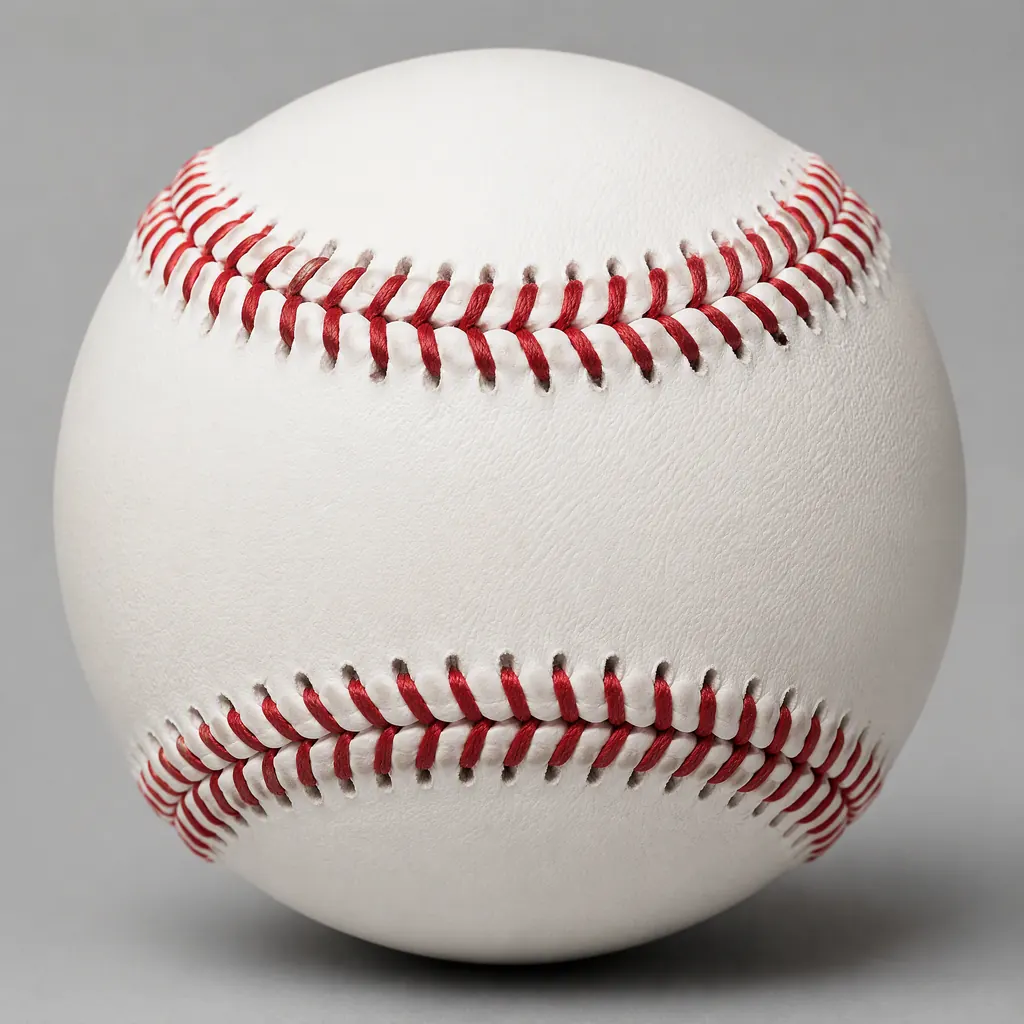
Baseball Stitching: Durability, Feel, and Cost
Baseball stitching affects more than the way a ball looks. Thread choice, stitch spacing, seam height, tension, panel alignment, and finishing can influence durability, hand feel, flight response, and manufacturing cost. For B2B buyers, the correct stitching method depends on whether the ball is intended for training, games, youth programs, pitching practice, promotion, or a private-label range. A practical baseball stitching decision compares the complete ball rather than choosing a thread color or seam style in isolation.
The seam connects the cover panels and becomes part of the player's contact with the ball. It also creates a production checkpoint: poor tension or uneven spacing can lead to loose thread, panel movement, or inconsistent handling. Before approving an order, buyers should define the expected use, compare physical samples, and record the exact baseball stitching construction that the factory must reproduce.
What baseball stitching changes
Baseball stitching influences seam height, surface transition, panel stability, and the visual identity of a baseball. A higher or more pronounced seam may provide a clearer tactile reference, while a flatter baseball stitching profile may create a smoother contact area. The result also depends on cover material, panel thickness, thread size, winding, and core firmness. Evaluate baseball stitching with the ball fully assembled and conditioned as intended.
During sample review, rotate the ball and inspect the seam from several directions. Check whether the spacing remains even, whether stitches enter the cover cleanly, and whether the seam follows the approved panel path. Record the stitch type, thread, color, tension, seam profile, and finishing method. This gives purchasing and quality teams a specific baseball stitching reference instead of relying on a general description such as premium stitching.
Stitching and durability
Baseball stitching durability depends on the relationship between thread, cover, needle holes, panel material, seam tension, and repeated impact. A strong thread cannot compensate for weak cover material or poorly controlled assembly. Excessive tension may pull the cover or create puckering, while insufficient tension may leave gaps or allow movement. The factory should control these baseball stitching variables through a repeatable process and inspect the finished seam before packing.
For training baseballs, inspect baseball stitching samples after representative catching, throwing, batting practice, and storage. Look for loose ends, skipped stitches, opened holes, panel lifting, seam flattening, and cover cracking around the thread. For game-oriented products, add closer checks for visual uniformity and controlled response. Buyers should avoid unsupported service-life promises and instead connect baseball stitching durability observations to the actual use and test method.
Hand feel and player contact
Baseball stitching contributes to how the hand locates and releases the ball. Players may notice stitch height, thread firmness, cover softness, and the transition between panels when gripping, throwing, or catching. A smoother baseball stitching profile can create a different touch from a more defined seam, but no single profile is ideal for every user. Youth, training, club, game, and promotional products may each require a different balance.
Compare samples with controlled catching, throwing, fielding, and batting actions. Use the same cover condition and allow the player or tester to handle each sample for a similar period. Record whether the seam feels sharp, comfortable, raised, soft, or inconsistent. Check the ball after repeated contact because thread tension and panel movement can change the feel. This makes baseball stitching part of a product-use evaluation rather than only a visual inspection.
Seam response and product positioning
Product positioning should guide the baseball stitching brief. A basic training ball may prioritize stable construction, manageable cost, and easy replacement. A club or game product may place more emphasis on seam consistency, tactile response, and appearance. A promotional ball may need clear branding and attractive stitching while accepting a simpler performance target. Buyers should state which baseball stitching features are essential before comparing factory quotations.
For a private-label product, define the seam profile together with the cover, core, winding, and artwork. If the factory changes thread, stitch count, panel preparation, or finishing, the ball may no longer match the approved playing feel. Require a replacement sample when a seam change affects handling or appearance. Keeping the stitching brief connected to product positioning helps prevent over-specification on low-cost items and under-specification on premium items.
How stitching affects manufacturing cost
Manufacturing cost can change with thread material, stitch count, seam complexity, panel preparation, operator time, machine settings, inspection effort, and rejection risk. A more detailed seam may require slower production or closer finishing control. A lower-cost method may reduce labor but create more variation if the process is not stable. Cost comparisons are useful only when suppliers quote the same cover, core, panel layout, thread, stitching, packaging, and quality requirements.
Ask the supplier to separate baseball stitching material and process assumptions in the quotation. Confirm whether the price includes sample development, custom thread color, artwork alignment, inspection, repair, and replacement handling. Do not reduce stitching quality without checking the impact on durability and feel. A small saving per unit can be offset by returns or inconsistent replacement stock. The most useful baseball stitching cost decision is based on total product risk, not thread price alone.
Inspect stitching during production
Baseball stitching inspection should focus on repeatability. Sample balls from different cartons or production periods and compare seam height, stitch spacing, thread tension, panel alignment, color, and visible finishing. Check the start and end of the seam, intersections, tight curves, and areas around the logo or artwork. Look for loose thread, skipped stitches, exposed adhesive, uneven holes, puckering, or cover damage.
Use a simple baseball stitching record that links every defect to a sample code and location. Separate critical structural issues from major appearance or handling issues and minor cosmetic variation. If a defect appears repeatedly, stop treating it as an isolated unit problem and ask the factory to investigate the process. A controlled baseball stitching inspection makes corrective action easier before the lot is packed or shipped.
Stitching specification for B2B orders
For a B2B order, the baseball stitching specification should record thread material, thread color, stitch type, stitch spacing, seam height, tension, panel preparation, cover, core, artwork, packaging, inspection method, and accepted sample. The baseball stitching sample should be checked for baseball stitching durability, baseball stitching feel, baseball stitching appearance, baseball stitching cost assumptions, and baseball stitching repeatability. Keep the baseball stitching photos and baseball stitching approval with the purchase order so the factory, buyer, and quality team use the same reference.
Buyer checklist for baseball stitching
Before approving a bulk order, include stitching in the same specification as the core and cover. The following checklist helps buyers compare samples and quotations without losing the connection between use, feel, cost, and durability.
- Define the user group, playing purpose, field environment, and expected handling frequency.
- Record thread material, thread color, stitch type, spacing, tension, seam height, and finishing method.
- Compare baseball stitching for hand feel, catching, throwing, batting, fielding, and repeated contact.
- Inspect loose ends, skipped stitches, open holes, panel movement, puckering, cover damage, and artwork alignment.
- Separate stitching material cost, labor assumptions, inspection requirements, repair, and replacement risk.
- Keep the approved ball, stitching sample, photographs, and production reference with the purchase order.
- Require written approval before changing thread, stitch count, panel preparation, or seam finishing.
Control stitching for repeat orders
Repeat orders should use the same approved baseball stitching reference unless the buyer accepts a change. Retain the physical sample, thread information, seam photos, cover specification, artwork, inspection notes, and packaging record. If the factory proposes a different thread or process, ask for the reason, cost effect, and a replacement sample. Compare the revised ball with the previous baseball stitching reference under the same handling conditions.
Purchasing can compare baseball stitching cost, quality staff can compare the seam, and product teams can confirm the intended feel. This shared baseball stitching record prevents a cheaper substitute from being presented as the same construction. It also helps the supplier reproduce consistent stock when a customer reorders after a long interval.
Conclusion
Baseball stitching sits at the intersection of durability, player feel, appearance, and manufacturing cost. Thread, tension, spacing, seam height, cover, panel preparation, and finishing all contribute to the finished result. For B2B buyers, the safest process is to define the intended use, compare complete samples, inspect production consistency, separate cost assumptions, and control changes before bulk manufacturing. A clear baseball stitching specification helps the buyer protect quality without paying for features that the product does not need.