
 EN
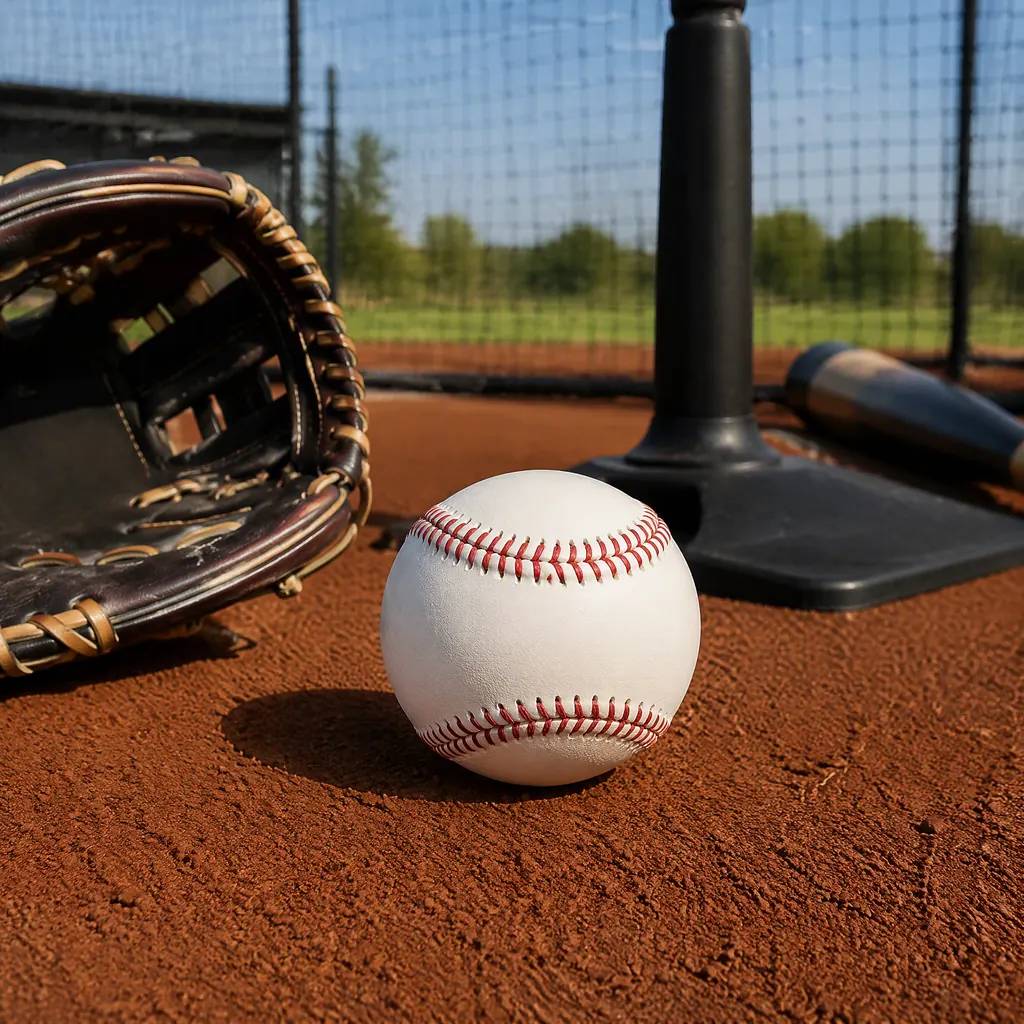
How Baseball Core Design Matches Product Use
Baseball core design should be selected from the intended use, not from a material label alone. A training ball, game ball, youth ball, pitching-machine ball, and promotional ball may share a similar outside appearance while requiring different internal behavior. Core composition, winding, center firmness, cover, seam profile, and compression all influence rebound, impact response, durability, and perceived weight. For B2B buyers, the right baseball core design is the one that supports the product's users, equipment, field environment, safety brief, and price position.
Baseball core design decisions should be made before artwork and packaging are finalized. Define what the ball should do, how often it will be used, what equipment will strike it, and who will handle it. A written baseball core design brief gives the factory a clear target and helps the buyer compare samples.
What baseball core design controls
Baseball core design controls the ball's response. It works with winding, cover, seams, and compression to determine contact feel. A firmer center can create an immediate response, while a softer baseball core design may feel more forgiving. Winding tension influences shape stability and the transition between baseball core design and cover. Evaluate these features as one system.
When reviewing baseball core design, ask the supplier to explain center material, winding structure, cover, seams, compression, and test condition. Do not treat one compression value as a complete description. The same center can feel different when winding, cover, or finish changes. Compare samples at the same temperature and storage condition, then record the baseball core design reference with the approved sample.
Training baseballs need repeatable handling
Training baseballs are often used for catching, throwing, fielding, batting practice, and repetitive drills. Their value comes from predictable behavior across a large quantity. A training-focused baseball core design should balance manageable impact, shape retention, surface durability, and consistent handling. This baseball core design should also remain stable across repeated drills. Coaches may prefer a ball whose baseball core design stays easy to track and catch without becoming damaged quickly.
For a training program, compare multiple samples rather than approving the softest ball. Check weight, roundness, seam height, cover response, and rebound. Record stability after repeated throws and catches. If the order includes different colors, confirm that printing and cover treatment do not change the same baseball core design.
Game balls require controlled response
Game-oriented products usually require tighter control of appearance, shape, compression, cover, seams, and response. The buyer may need a more defined contact feel and closer consistency between units. A game-ball baseball core design should be evaluated with the complete construction, including the selected cover and seam profile. The approved baseball core design should be compared with the production baseball core design. A baseball core design change in winding or center firmness can affect how the ball feels even when outside materials appear identical.
During development, compare samples with controlled throwing, catching, batting, and fielding actions appropriate to the intended product. Check how the baseball core design behaves after repeated contact instead of relying on a single hit. Record changes in shape, cover marking, seam condition, and perceived firmness. Product teams should agree on the preferred baseball core design response before the factory converts the sample into a production specification.
Youth products need use-appropriate response
Younger players may need a product designed around easier handling, confidence, and appropriate practice conditions. The correct baseball core design for a youth product should match the intended age group, training level, equipment, and coaching environment. Buyers should avoid presenting one construction as suitable for every child or skill level. Weight, circumference, surface feel, and impact response all influence whether the product feels manageable.
Sample review should include catching, throwing, soft-toss drills, and storage between sessions. Check whether the baseball core design remains comfortable and whether the seams are easy to locate without creating an unnecessarily harsh contact response. Ask the supplier to describe the intended use clearly in the product specification and packaging. A youth-focused product should be positioned honestly rather than relying on an unsupported claim about universal safety or performance.
Pitching-machine balls need equipment compatibility
Pitching-machine use creates a different design requirement because the ball may pass through the same equipment repeatedly. The buyer should tell the supplier what machine type, wheel or barrel contact, speed range, and practice frequency are expected. A suitable baseball core design for machine use must be evaluated with the cover, seams, and baseball core design machine interaction together. A ball that performs well in hand may mark, deform, or behave differently after repeated machine contact.
Ask for a controlled machine-use test for pitching practice. Inspect the center, cover, seams, roundness, and marks before and after testing. Record the machine setting and cycles if this test is part of the agreement. Do not transfer results between machines without evidence. Equipment compatibility remains part of the baseball core design brief.
Promotional and training bundles need cost control
Promotional baseballs and bundled training products may prioritize appearance, branding, pack quantity, and manageable cost. That does not mean baseball core design can be ignored. A practical baseball core design should still maintain roundness, stable cover attachment, acceptable handling, and consistent print placement. Buyers should decide which performance features are essential and which cosmetic features can be simplified before requesting a quotation.
Cost comparisons are useful only when the construction is clearly stated. If one supplier changes the center, winding, cover, seam, or packaging, the prices are not comparing the same product. Request a sample that represents the proposed bulk construction and check whether the artwork process affects the cover or seam. Keep the accepted specification with the purchase order so a repeat promotional run does not quietly shift to a different baseball core design. This baseball core design record protects the quoted product.
Match baseball core design with cover and seams
Baseball core design cannot be approved in isolation. Cover affects contact, abrasion, moisture response, and finish. Seams affect grip, flight feel, and bat contact. Winding supports the cover during impact. A strong baseball core design review therefore compares the whole ball, not a loose center.
Inspect samples from several orientations and compare their weight, shape, firmness, seam height, cover texture, and rebound. Use the same inflation or test condition where relevant and let samples settle before judging them. If the factory changes the cover or winding after approval, require a new sample review. Small construction changes can alter the product's playing feel without changing its name, color, or packaging artwork.
Create a buyer specification
A buyer specification should translate product use into factory checkpoints. State the target user, intended drills or game setting, equipment compatibility, baseball core design material, baseball core design winding approach, cover, seam profile, size, weight, compression expectation, artwork, packaging, and sample test method. For every baseball core design requirement, identify how approval will be confirmed. This may be a measurement, a controlled handling test, a visual comparison, or a written sample reference.
- Define whether the ball is for training, games, youth use, pitching machines, promotion, or a mixed program.
- Record the center, winding, cover, seams, size, weight, compression, and approved test condition.
- Compare multiple samples for roundness, handling, rebound, cover response, seam condition, and consistency.
- Check compatibility with bats, gloves, pitching machines, storage carts, and the intended field environment.
- Confirm artwork, packaging, care information, carton quantity, and repeat-order change control.
- Keep the approved ball and the baseball core design record with the purchase order for repeat baseball core design approval.
Control changes during production
Once the buyer approves a sample, the factory should not substitute the center, winding, cover, adhesive, seam process, or finish without written approval. A baseball core design change may affect shape, rebound, impact feel, machine compatibility, or durability. Require the supplier to identify the change and provide a replacement sample before production continues.
For repeat orders, compare the new sample with the previous reference using the same handling and measurement method. Record what stayed the same, what changed, and whether the product use still matches the original brief. This creates a practical history for purchasing, quality staff, product teams, and distributors. It also prevents a lower-cost substitution from being mistaken for the same baseball core design.
For order control, record the material, winding, firmness, compression, cover, seams, weight, rebound, machine compatibility, sample, and approval in the baseball core design record. Keep it with the quotation, artwork, inspection notes, and repeat-order instructions.
Conclusion
Baseball core design should match the job the ball is expected to perform. Training products need repeatable handling, game products need controlled response, youth products need appropriate use characteristics, and pitching-machine products need equipment compatibility. Promotional products still require stable shape and honest positioning. For B2B buyers, define the use first, compare physical samples, document the core and cover, and control changes before production. A clear baseball core design specification simplifies sourcing and repeat orders.