
 EN
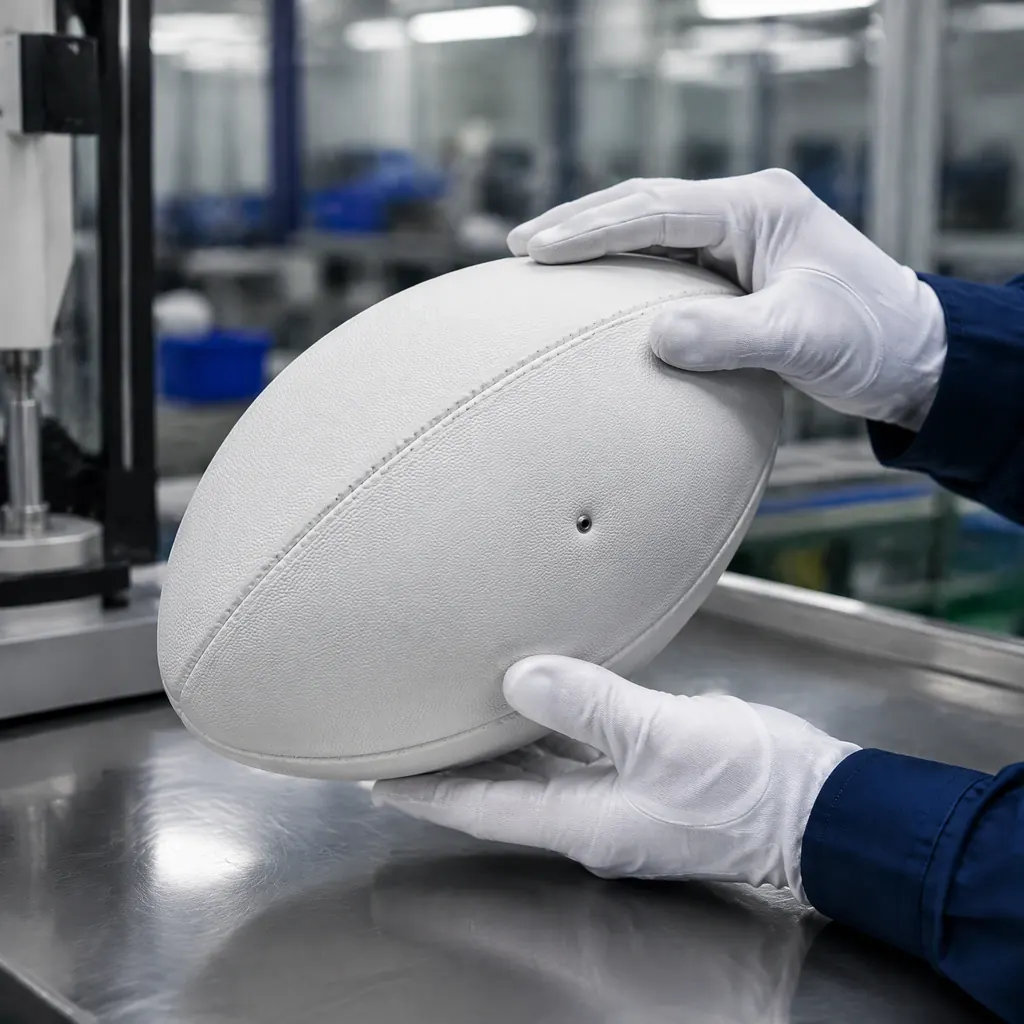
Rugby Ball Quality Control Before Bulk Shipment
Bulk shipment approval is a release decision, not a visual tour of a factory. Effective rugby ball quality control asks whether the delivered lot is safe to accept, what evidence supports that decision, and which issues must be corrected before loading. The review should follow the product's real risks: oval geometry, end symmetry, seam integrity, grip, inflation stability, customization, carton protection, and lot consistency. A useful rugby ball quality control report gives the buyer a clear choice between release, correction, recheck, or hold.
Begin with a shipment release map
Before opening cartons, prepare a release map for the order. Link the purchase order to the approved rugby ball, cover description, size and weight requirements, artwork file, packing plan, and agreed inspection method. Note the intended use, such as school training, club play, promotional distribution, or regular outdoor practice. These uses create different risks. A training order may tolerate cosmetic variation that a private-label launch cannot, while a wet-field program needs closer attention to surface grip and cleaning response.
Divide the shipment into traceable groups. Record carton numbers, production dates when available, colorways, and any visible difference between batches. Select samples from the beginning, middle, and end of the available lot rather than taking every sample from one convenient carton. This approach makes rugby ball quality control more representative and helps identify a process drift that a single sample would miss.
Confirm oval geometry before surface details
A rugby ball is defined by its oval geometry, so shape should be checked before appearance. Inflate each sample using the agreed procedure and let it stabilize. View the ball from several directions: nose to nose, side profile, seam side, and valve side. Look for a blunt end, a flattened belly, unequal shoulders, twisting panels, or a visible lean when the ball rests on a level surface.
Measure the agreed dimensions and weight with the same tools and inflation condition used for the reference sample. Do not judge only by whether a ball looks generally oval. Two balls can share a similar length while differing in end profile or balance. Record each observation against the sample code. In rugby ball quality control, a small geometry difference can affect kicking, carrying, spiral release, and the buyer's perception of consistency.
Review the cover as a handling system
Inspect the cover for texture, firmness, color, scuffing, coating marks, contamination, and panel uniformity. The surface should be considered together with the ball's shape and seams. A textured cover may provide useful tactile reference points, but an uneven coating or damaged grain can make one panel feel different from the next. Compare dry handling and lightly damp handling when wet-weather use is part of the product brief.
Use a short field-style test rather than relying on a desk inspection. Carry the ball, catch it at different angles, make short passes, and perform controlled kicks on a suitable surface. Check whether the hands lose contact, whether the texture holds dirt, and whether wiping restores the intended feel. Record the weather or moisture condition and the cleaning method. This rugby ball quality control step connects a surface claim to an observable use condition.
Inspect seams, panels, and the valve zone
Seams deserve close attention because they join the oval panels and can change both handling and durability. Follow each seam around the ball and look for open stitching, inconsistent spacing, raised edges, exposed adhesive, loose threads, or a transition that catches the hand. Check where seams cross and where they approach the pointed ends. A clean cover can still fail its purpose if a seam separates after repeated handling.
Inspect the valve area separately. Confirm that the needle enters smoothly, the valve is secure, and the surrounding cover is not recessed, stretched, or contaminated. Rotate the ball after inflation and look for a local bulge or soft spot. Note the defect location with a photo and sample code instead of describing it only as a general appearance issue. This makes the rugby ball quality control record useful for correction and reinspection.
Use a risk-based defect decision
Not every defect has the same commercial effect. Create three practical groups for the release meeting. A critical issue may affect safety, air retention, structural integrity, or the ability to use the ball. A major issue may affect shape, grip, artwork, or durability enough to create customer complaints. A minor issue may be cosmetic and suitable for a documented concession if the buyer accepts it.
For each finding, record the defect type, sample number, carton, quantity affected, photograph, proposed correction, and recheck requirement. Avoid averaging away a serious issue by reporting only an overall impression. A shipment with attractive colors can still need a hold if several samples show unstable valves or distorted ends. Risk classification gives rugby ball quality control a release logic that suppliers and buyers can both follow.
Check inflation and repeat-use response
Inflation affects firmness, bounce, shape, and hand contact. Use one agreed inflation reference for comparison, then allow samples to settle before testing. Check whether air enters smoothly, whether the valve closes securely, and whether the ball changes shape after repeated handling. Where an air-retention check is required, record the starting condition, storage position, observation time, and measurement method without inventing a performance claim.
Repeat-use checks should focus on change rather than a promised service life. Pass, carry, catch, and kick representative samples, then inspect the cover, seams, ends, and valve again. Compare the result with the approved sample. If the ball becomes softer, twists, loses surface response, or shows a new seam issue, place the lot on hold while the factory investigates. This is a more useful rugby ball quality control decision than accepting a sample because it looked correct before handling.
Separate artwork approval from product approval
Custom printing should be checked as its own release item. Compare logos, color blocks, position, registration, legibility, and artwork scale with the approved file. Inspect whether ink has spread, faded, transferred, or interfered with the cover texture. Keep the artwork result separate from the playing-feel result so a cosmetic correction does not hide a structural concern.
Packaging should be checked against the delivery plan. Confirm the number of balls per carton, inner protection, carton markings, labels, accessories, care information, and pallet or loading arrangement. Look for compression marks, moisture exposure, damaged cartons, or loose packing that could affect the ball during transit. Photograph representative cartons and match them to the packing list. The final rugby ball quality control record should include both product and shipment evidence.
Build the release report around decisions
A buyer-facing report should be easy to act on. Start with the order identity and sample coverage, then list the checks performed, findings by risk group, photographs, supplier response, corrections, and final recommendation. Use one of four decisions: release, release with written concession, correct and recheck, or hold. State who made the decision and which evidence supports it.
- Confirm the order, approved reference, lot groups, carton range, and sample selection.
- Review oval profile, end symmetry, dimensions, weight, inflation, and valve condition.
- Check cover texture, grip, moisture response, seams, panel joins, and surface damage.
- Test representative balls for carrying, catching, passing, kicking, and repeat-use change.
- Separate critical, major, and minor defects and attach each finding to a sample code.
- Verify artwork, carton quantity, labels, protective packing, moisture protection, and loading.
- Choose release, concession, correction and recheck, or hold based on documented evidence.
Protect the next shipment
Close the inspection by recording what must remain unchanged in the next lot. Keep the approved physical ball, geometry notes, cover and texture description, valve reference, artwork, packing plan, and release report together. Require written approval before changing a panel mold, cover formulation, coating, adhesive, bladder, valve, artwork process, carton, or loading method.
When a supplier corrects a defect, compare the corrected sample with the original reference and record the result. Do not treat a verbal promise as a completed corrective action. A repeat-order record should show the original finding, root-cause response where available, correction, recheck, and final approval. This gives future rugby ball quality control a history instead of forcing the buyer to restart the investigation.
Conclusion
Rugby ball quality control before bulk shipment works best as a release system built around rugby-specific risks. Check the oval profile, ends, seams, valve, grip, inflation, repeat-use response, artwork, cartons, and loading condition. Classify defects, link them to samples, and make the release decision from evidence. For B2B buyers, this approach reduces avoidable claims while preserving a clear record for corrections and repeat orders.