
 EN
EN
Essential Criteria for Selecting Professional Court Basketballs
When it comes to equipping high-performance sports venues, selecting the right basketball is a decision that carries significant weight. The quality and characteristics of the basketball directly impact player performance, game flow, and overall satisfaction of both amateur and professional athletes using your facility. A carefully chosen basketball for sports venues can elevate the playing experience while maintaining consistent performance across extended periods of use.
Professional sports venues require basketballs that meet specific standards for durability, grip, and bounce consistency. The selection process involves understanding various material compositions, size specifications, and performance characteristics that make a basketball suitable for intensive use in professional settings. This comprehensive guide will help venue managers and sports facility operators make informed decisions about their basketball equipment investments.
Material Composition and Construction Features
Premium Leather Options
Traditional leather basketballs remain the gold standard for professional sports venues. Genuine leather offers superior grip, exceptional feel, and optimal moisture absorption properties. High-quality leather basketballs develop a natural tacky surface with use, which enhances ball control and handling precision. While these basketballs require a break-in period, they ultimately provide the most consistent performance for serious players.
The manufacturing process for leather basketballs involves selecting premium hide sections and treating them with specialized compounds to enhance durability. This attention to material quality ensures that the basketball maintains its shape and performance characteristics even under intense usage conditions typical in sports venues.
Composite Materials and Modern Alternatives
Advanced composite materials have evolved significantly, offering viable alternatives for basketball for sports venues. These synthetic options often feature microfiber surfaces and specialized rubber compounds that simulate the feel of leather while providing enhanced durability. Modern composite basketballs require minimal break-in time and maintain consistent performance across varying temperature and humidity conditions.
The latest composite technologies incorporate moisture-wicking properties and specialized grip patterns that optimize ball control. These innovations make composite basketballs particularly suitable for venues that host multiple games daily or operate in challenging environmental conditions.
Performance Characteristics and Testing Standards
Bounce Consistency Requirements
Professional venues must ensure their basketballs meet strict bounce consistency standards. A quality basketball should return to approximately 52-56 inches when dropped from a height of 72 inches. This standardization ensures predictable ball behavior during play, allowing athletes to perform at their best. Regular testing of bounce characteristics helps venue operators maintain equipment quality and identify when replacements are needed.
Environmental factors can affect bounce consistency, making it crucial to select basketballs designed to perform reliably across different conditions. Premium basketballs for sports venues typically undergo rigorous testing to ensure they maintain consistent bounce characteristics throughout their lifespan.
Grip and Surface Texture Analysis
The surface texture of a basketball significantly influences player control and shooting accuracy. Professional-grade basketballs feature optimized pebbling patterns that enhance grip without compromising durability. The ideal basketball for sports venues should maintain its surface characteristics even after extended periods of intense play.
Regular assessment of ball grip and texture helps venue operators ensure consistent playing conditions. Modern testing methods can measure surface friction coefficients and wear patterns, providing objective data to support maintenance and replacement decisions.
Size and Weight Specifications
Official Regulations and Standards
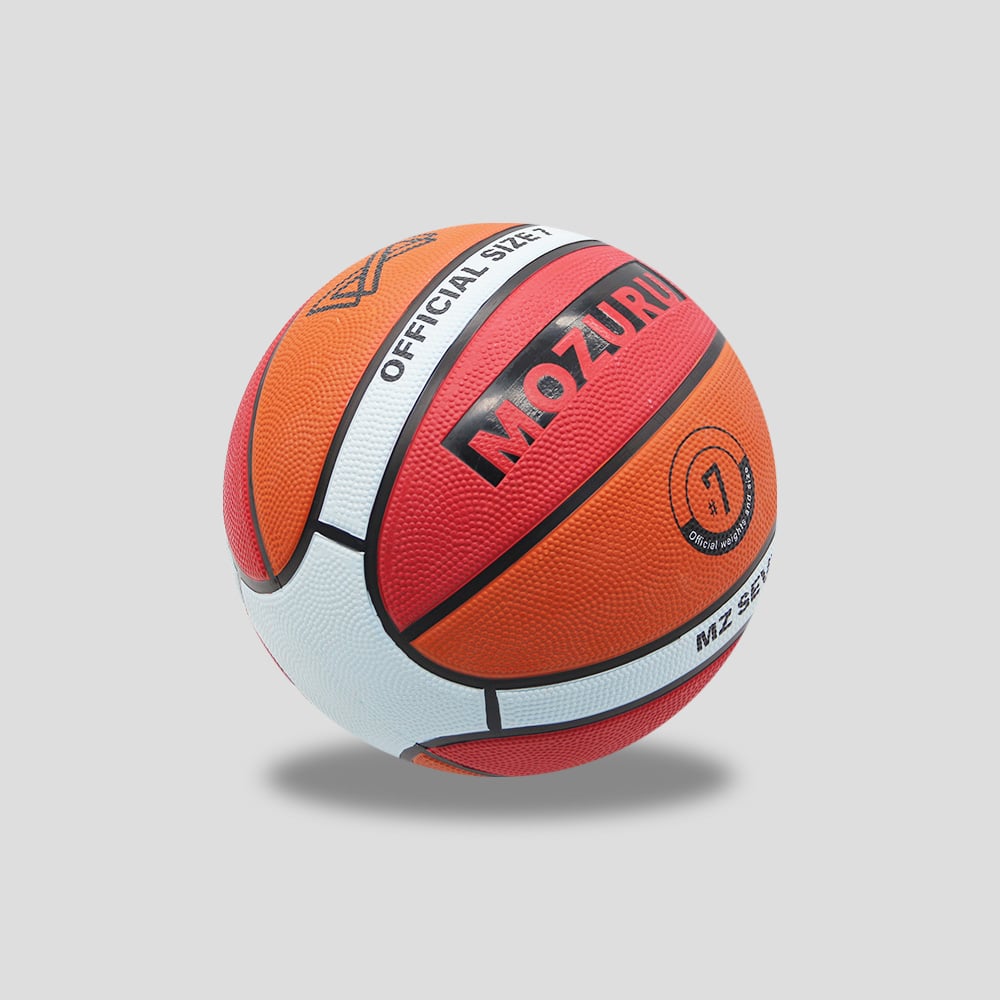
Professional sports venues must stock basketballs that meet official size and weight requirements. Standard men's basketballs (Size 7) should measure 29.5 inches in circumference and weigh between 20-22 ounces. Women's basketballs (Size 6) typically measure 28.5 inches and weigh slightly less. Maintaining a consistent inventory of properly sized basketballs ensures compliance with league regulations and optimal playing conditions.
Regular measurement and weight checks help identify balls that may have lost their original specifications through use. Professional venues often implement rotation systems to ensure even wear across their basketball inventory.
Age-Specific Requirements
Venues hosting youth programs or multiple age groups need to maintain an appropriate selection of basketball sizes. Youth basketballs (Size 5) measuring 27.5 inches in circumference are essential for developing proper shooting and handling techniques in younger players. A well-planned basketball inventory should accommodate all user groups while maintaining professional standards.
Creating designated storage areas for different ball sizes helps organize inventory and ensures players always have access to appropriate equipment. Clear labeling and regular inventory checks maintain optimal equipment availability for all venue users.
Maintenance and Longevity Considerations
Cleaning and Storage Protocols
Proper maintenance significantly extends basketball lifespan in sports venues. Regular cleaning with appropriate solutions removes dirt and oils while preserving surface characteristics. Storage in controlled temperature and humidity conditions prevents material degradation and maintains consistent performance. Professional venues should establish detailed maintenance protocols for their basketball inventory.
Training staff in proper handling and maintenance procedures ensures consistent care across all shifts. Documentation of cleaning and inspection routines helps track equipment condition and plan for replacements.
Rotation and Replacement Scheduling
Implementing systematic rotation schedules for basketballs helps distribute wear evenly across the inventory. Regular inspection of key performance indicators such as bounce consistency, surface texture, and shape retention guides replacement decisions. Professional venues typically maintain detailed records of basketball usage and condition to optimize their equipment investment.
Understanding typical lifespan expectations for different basketball types helps in budgeting and inventory planning. High-quality basketballs for sports venues, when properly maintained, should provide reliable performance for several months of regular use.
Frequently Asked Questions
How often should sports venues replace their basketballs?
Professional sports venues typically should replace heavily used basketballs every 3-4 months, depending on usage intensity and maintenance practices. Regular inspection of ball performance characteristics helps determine optimal replacement timing. Factors such as surface wear, bounce consistency, and grip quality guide replacement decisions.
What is the best way to store basketballs in a sports venue?
Basketballs should be stored in a climate-controlled environment with moderate humidity levels. Use dedicated storage racks or bins that allow proper air circulation. Maintain consistent temperature between 60-70°F and avoid direct sunlight exposure. Proper inflation levels should be maintained even during storage periods.
Should venues use different basketballs for indoor and outdoor courts?
Yes, venues with both indoor and outdoor facilities should maintain separate basketball inventories. Indoor basketballs typically feature materials optimized for wooden court surfaces, while outdoor basketballs are designed to withstand rougher surfaces and weather exposure. Using appropriate balls for each environment extends equipment life and maintains optimal playing conditions.