
 EN
EN
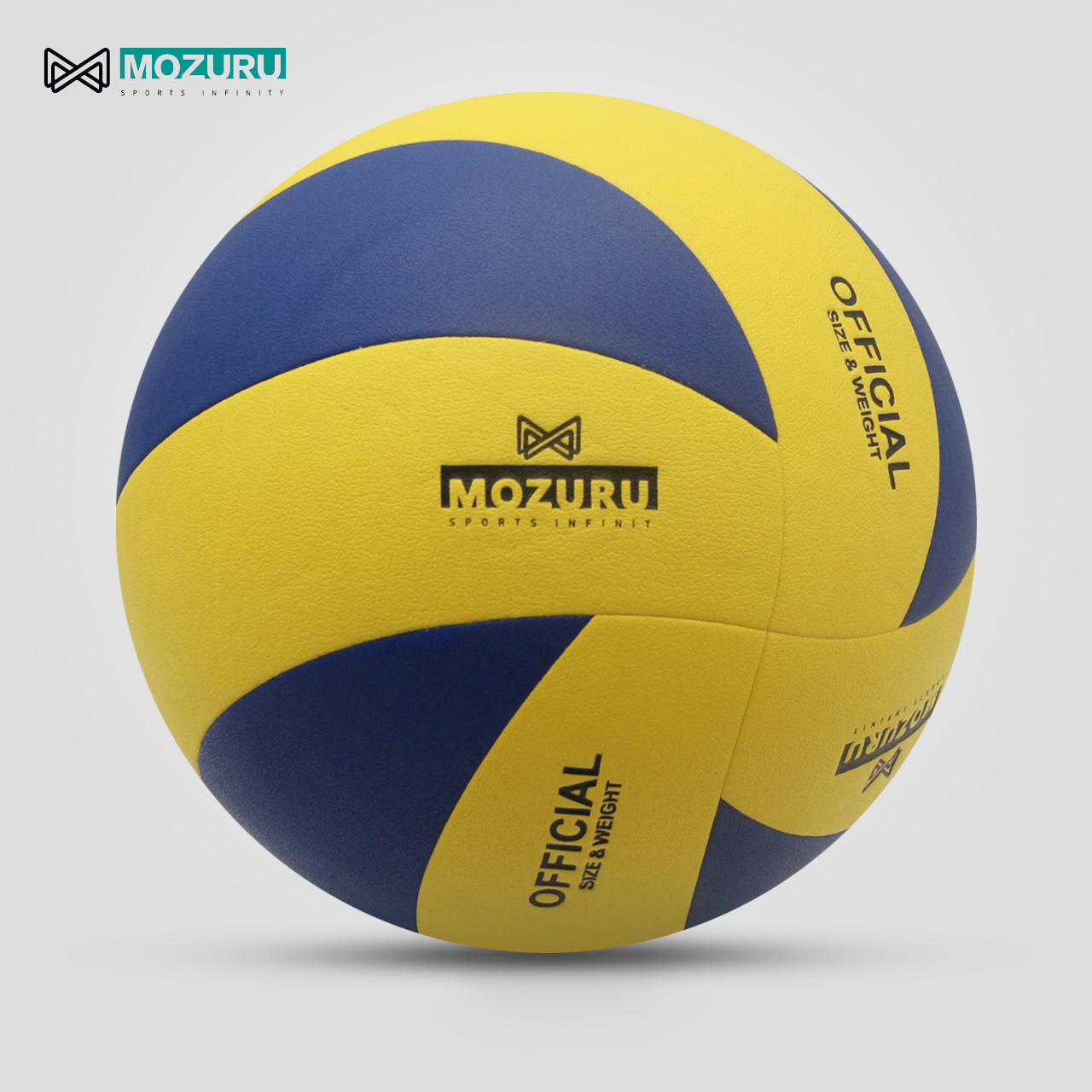
Essential Guide to Choosing Professional Volleyballs
Selecting the best volleyball for your athletic needs can significantly impact your performance and training experience. Whether you're managing a sports facility, coaching a team, or playing competitively, understanding the nuances of volleyball selection is crucial. Modern volleyballs come with various features, materials, and specifications designed for different playing conditions and skill levels.
The journey to finding the perfect volleyball involves considering multiple factors, from the ball's construction to its intended use. Professional players and facility managers know that investing in the right equipment not only enhances player performance but also ensures durability and cost-effectiveness in the long run.
Understanding Volleyball Construction and Materials
Core Materials and Panel Design
The heart of any best volleyball lies in its construction. Modern volleyballs typically feature either synthetic leather or genuine leather covers, with synthetic options becoming increasingly popular due to their consistent performance and durability. The panel design, usually consisting of 18 panels, affects the ball's aerodynamics and control characteristics.
Inside the ball, you'll find a rubber bladder surrounded by specialized wrapping materials that maintain shape and provide optimal bounce characteristics. Premium volleyballs often incorporate advanced core technologies that enhance stability during flight and ensure consistent behavior on impact.
Surface Textures and Grip Patterns
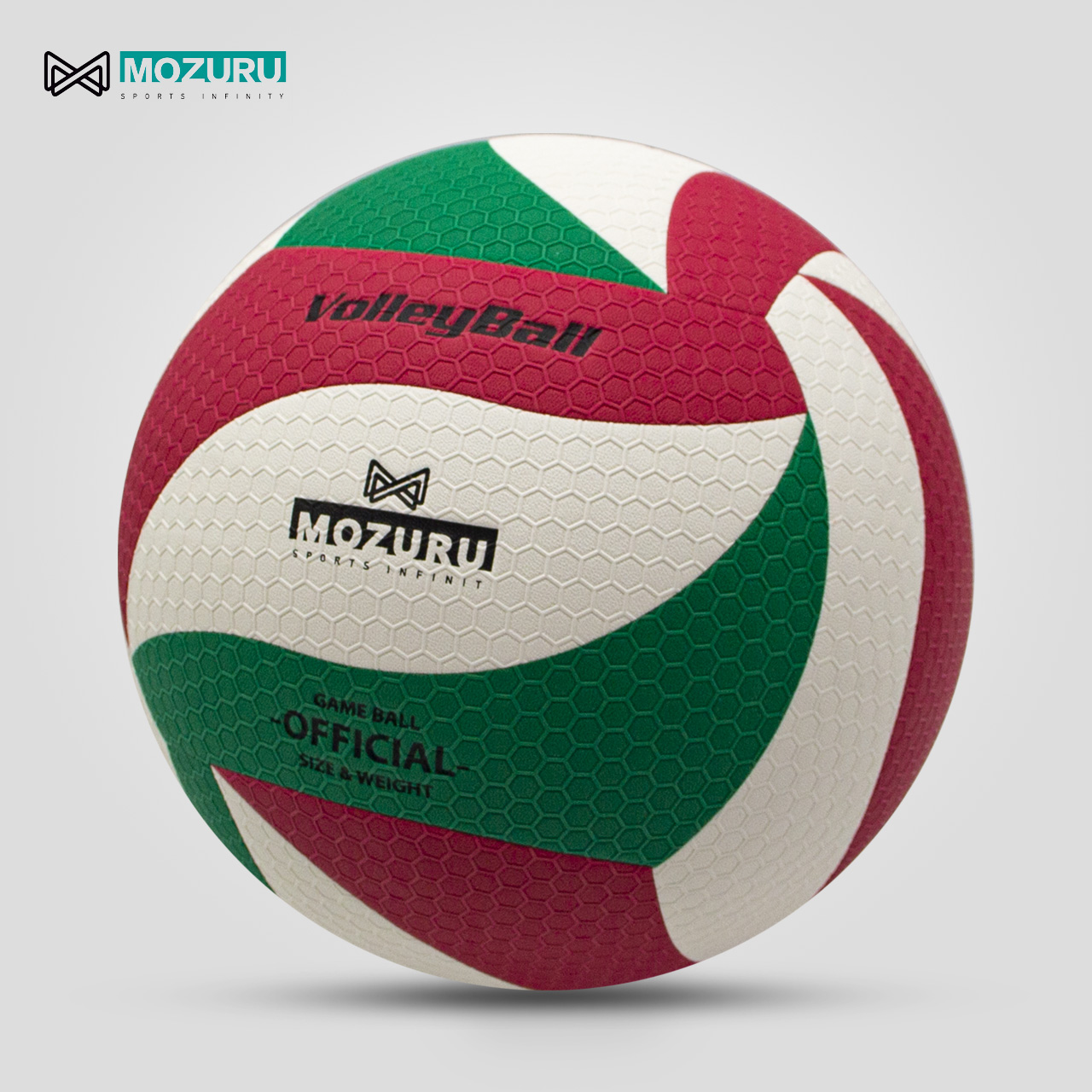
Surface texture plays a crucial role in ball control and handling. Many top-tier volleyballs feature micro-fiber surfaces with specialized dimple patterns that enhance grip without compromising speed. These textures must strike a perfect balance - too rough, and the ball becomes unpredictable; too smooth, and players struggle with control.
Advanced manufacturing processes have led to the development of innovative grip patterns that maintain their effectiveness under various conditions. This is particularly important for sports facilities that host both indoor and outdoor events, where environmental factors can affect ball performance.
Competition Standards and Official Requirements
International Volleyball Federation Specifications
When selecting a best volleyball for competitive play, adherence to official standards is non-negotiable. FIVB-approved balls must meet strict specifications regarding size, weight, and internal pressure. The circumference must fall between 65-67 centimeters, with a weight of 260-280 grams when properly inflated.
Professional facilities need to ensure their volleyball inventory includes balls that meet these requirements, especially for sanctioned tournaments and official matches. This standardization ensures fair play and consistent performance across all competitive levels.
League-Specific Requirements
Different leagues and organizations may have varying requirements for their approved volleyballs. School athletics, recreational leagues, and professional circuits often specify particular models or features that balls must possess. Understanding these requirements helps facility managers maintain an appropriate selection of volleyballs for different user groups.
Many facilities choose to stock multiple types of approved volleyballs to accommodate various leagues and events. This versatility ensures compliance with different regulatory bodies while meeting the diverse needs of facility users.
Training and Practice Considerations
Durability Factors
Training environments demand volleyballs that can withstand intensive use. The best volleyball for practice sessions should feature reinforced panels and superior stitching to prevent premature wear. Consider balls with water-resistant properties if your facility hosts outdoor training sessions or deals with varying humidity levels.
High-quality training balls often incorporate additional reinforcement at common impact points, extending their lifespan without sacrificing performance characteristics. This durability factor becomes especially important for facilities with high usage rates or multiple training sessions per day.
Skill Development Features
Training balls should facilitate skill development across all player levels. Some manufacturers offer volleyballs with specialized features like weight variations or visual guides that help players improve their technique. These training-specific designs can be valuable assets in developing proper form and muscle memory.
Advanced players often benefit from using balls that closely mimic competition models, while beginners might need balls with enhanced grip or visibility features. Having a range of training volleyballs allows coaches to progressively challenge players as their skills improve.
Environmental and Maintenance Factors
Indoor vs Outdoor Considerations
The playing environment significantly influences volleyball selection. Indoor facilities require balls optimized for consistent air conditions and standardized court surfaces. These volleyballs typically feature finer surface textures and precise weight distributions for optimal indoor performance.
Outdoor or multi-purpose facilities need more versatile options. The best volleyball for these settings often includes weather-resistant materials and more durable construction to handle varying conditions. Consider factors like UV resistance and moisture-wicking capabilities when selecting balls for outdoor use.
Storage and Care Requirements
Proper maintenance extends volleyball lifespan and ensures consistent performance. Establish storage protocols that maintain proper inflation levels and protect balls from extreme temperatures or moisture. Regular cleaning and inspection routines help identify wear patterns and prevent performance degradation.
Investment in quality ball storage solutions and maintenance equipment pays dividends in the long run. Train staff on proper care procedures and implement tracking systems to monitor usage patterns and replacement needs.
Frequently Asked Questions
How often should sports facilities replace their volleyballs?
Professional sports facilities typically should replace competition volleyballs every 1-2 seasons, depending on usage frequency and storage conditions. Training balls may need more frequent replacement, usually every 6-12 months with regular use. Implement a rotation system to distribute wear evenly across your volleyball inventory.
What is the ideal pressure for competition volleyballs?
Competition volleyballs should be inflated to 0.30 to 0.325 kg/cm² (4.26 to 4.61 psi) for optimal performance. Regular pressure checks and adjustments are essential to maintain consistent playing characteristics and extend ball longevity.
How many volleyballs should a typical sports facility maintain?
A well-equipped sports facility should maintain separate inventories for competition and training purposes. For regular operations, plan for 12-15 competition-grade balls and 20-30 training balls per court. This ensures sufficient rotation during sessions and accounts for maintenance cycles.