
 EN
EN
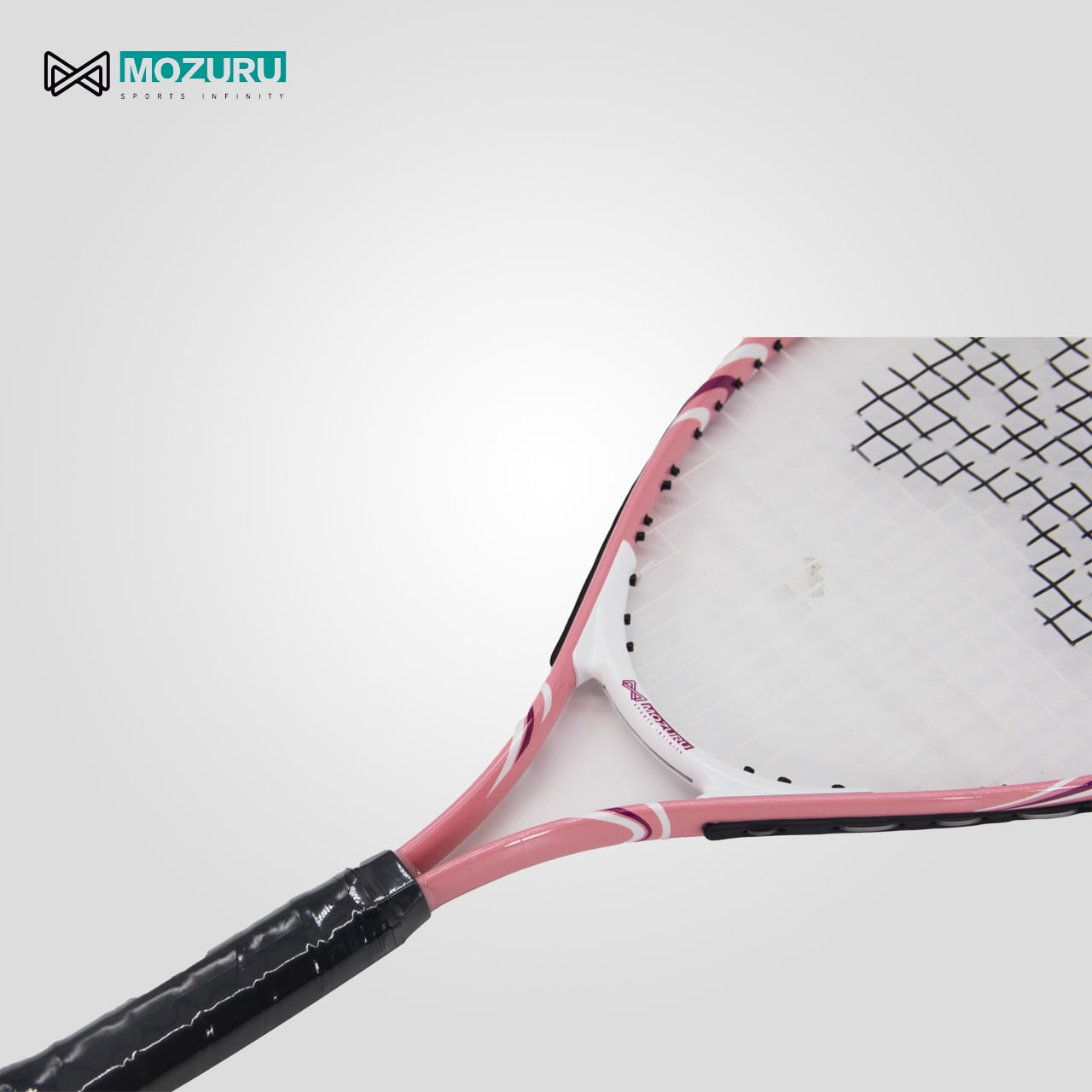
The modern tennis racket has undergone a dramatic evolution over the past few decades, moving far beyond its wooden origins to become a precision-engineered instrument. Today, every structural detail of a tennis racket — from frame geometry to string bed tension — is deliberately designed to influence how a player performs on the court. Understanding this relationship between tennis racket innovation and player output helps players at every level make smarter equipment choices.
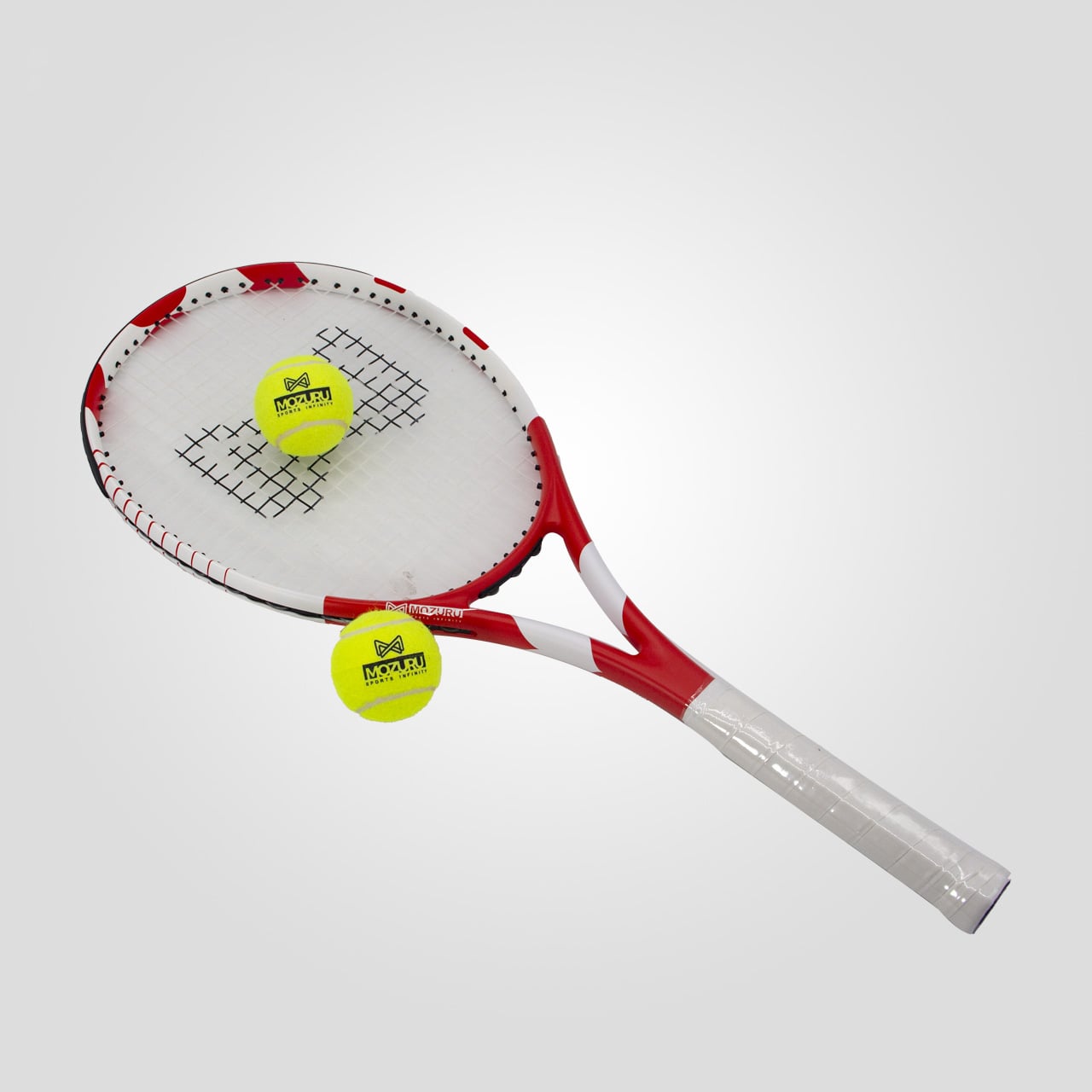
Innovation in the tennis racket space is not simply about aesthetics or marketing appeal. It is rooted in materials science, biomechanics, and rigorous field testing. When a tennis racket is built with advanced carbon fiber composites or refined frame shapes, those choices directly translate to measurable differences in swing speed, ball control, and arm comfort during extended play. This article explores how those innovations work and why they matter for serious players.
Advanced Materials Redefining the Tennis Racket
Carbon Fiber and Its Role in Performance
Carbon fiber has become the dominant material in high-performance tennis racket construction, and for strong reasons. A tennis racket built from carbon fiber is significantly lighter than earlier aluminum or wood versions, which allows players to generate faster swing speeds without sacrificing structural integrity. The stiffness-to-weight ratio of carbon fiber gives every tennis racket a responsive feel that translates energy from the swing directly into ball velocity.
When a tennis racket frame absorbs less energy through flex, more power is transferred to the ball at the point of impact. This is why a carbon fiber tennis racket is particularly valued by players who rely on baseline power and flat groundstrokes. The reduced vibration profile of a carbon tennis racket also protects the wrist and elbow over long match durations, making it a practical choice beyond just raw performance.
Composite Layering and Torsional Stability
Modern tennis racket engineering goes beyond using a single material. Multi-directional composite layering allows manufacturers to control how a tennis racket twists during off-center hits. When a ball strikes the edge of the string bed, torsional stability in the tennis racket frame determines how much rotation occurs and how much control the player loses. A well-layered tennis racket minimizes this twist, keeping shots on target even during imperfect contact.
This torsional control is especially meaningful during high-pressure rallies. A tennis racket that remains stable through off-center impacts gives players greater confidence to swing aggressively. Players competing at club or semi-professional levels have increasingly recognized that a structurally refined tennis racket outperforms older designs not just in theory, but in live match conditions.
Frame Geometry and String Bed Influence
Head Size and Sweet Spot Engineering
The geometry of a tennis racket head directly controls the size of the sweet spot, which is the zone on the string bed that delivers maximum power and minimal vibration. A tennis racket with a larger head size offers a more forgiving sweet spot, making it well-suited for recreational players or those developing consistency. By contrast, a smaller-headed tennis racket concentrates feedback and improves precision, which experienced players often prefer.
Tennis racket designers now use simulation software to optimize head shape, beam width, and throat geometry simultaneously. The result is a tennis racket whose sweet spot is not just large but also positioned where most players naturally make contact during typical groundstrokes and volleys. This design-level intelligence embedded in each tennis racket ensures that innovation delivers practical on-court benefits, not just laboratory results.
String Pattern and Spin Generation
The string pattern of a tennis racket — defined by the number of main and cross strings — has a profound influence on spin potential and control. An open string pattern tennis racket allows the strings to grip and snap across the ball more aggressively, generating heavy topspin. A denser string pattern tennis racket provides greater durability and a more uniform response across the entire bed.
Choosing the right tennis racket string pattern is therefore a strategic decision based on playing style. Baseline players who rely on heavy spin benefit from an open-pattern tennis racket, while flat hitters or serve-and-volley players may prefer the consistency of a denser pattern. Tennis racket innovation in this area has given players more options than ever to match equipment to technique with precision.
Handle Design and Player Control
Grip Shape and Biomechanical Alignment
A tennis racket grip that aligns naturally with the hand reduces the micro-adjustments a player must make between shots. Modern tennis racket handles are shaped with beveled edges that help players find the correct grip orientation quickly and reliably during fast exchanges. This biomechanical alignment reduces reaction time and supports more consistent stroke mechanics across an entire match.
The length of the tennis racket also plays a role here. A standard 27-inch tennis racket offers a balanced blend of reach and control that suits most playing styles, while extended-length versions provide extra leverage for serves and groundstrokes. Players switching to an optimally sized tennis racket often report an immediate improvement in serve power and directional control without any change to their technique.
Balance Point and Swing Dynamics
The balance point of a tennis racket — whether head-heavy, head-light, or evenly balanced — determines how the tennis racket moves through the swing arc. A head-heavy tennis racket generates more momentum during the swing, adding power to slower strokes. A head-light tennis racket is easier to maneuver, which suits net players who need rapid repositioning. Tennis racket manufacturers now publish precise balance measurements so players can match a tennis racket to their individual swing profile.
FAQ
How does carbon fiber improve tennis racket performance?
Carbon fiber makes a tennis racket lighter and stiffer, which improves swing speed and transfers more energy to the ball. It also reduces vibration, protecting the player's arm during extended play sessions with a carbon tennis racket.
What tennis racket head size is best for control?
A smaller head size tennis racket typically offers greater precision and feedback, making it preferred by experienced players. A mid-size tennis racket head balances control and forgiveness well for intermediate players seeking both accuracy and confidence.
Does tennis racket balance affect serve power?
Yes, a head-heavy tennis racket generates more momentum in the swing arc, which can add power to serves and groundstrokes. Players who rely on aggressive baseline play often prefer a tennis racket with slight head-heavy balance for this reason.