
 EN
How Rugby Ball Texture Supports Wet-Weather Grip
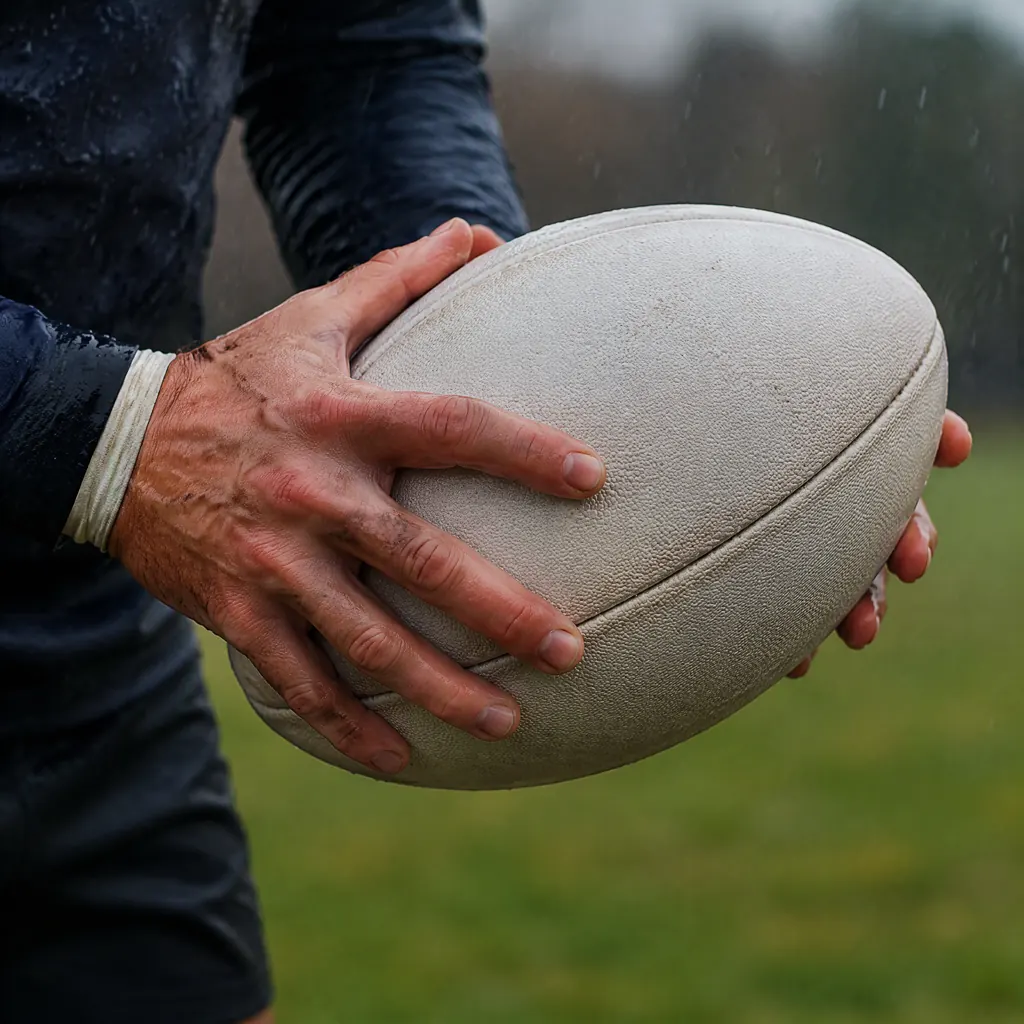
Rugby ball texture can influence how players control the ball when rain, sweat, mud, or damp hands reduce surface friction. A suitable texture may create tactile reference points for catching, carrying, passing, and kicking, but texture alone does not guarantee wet-weather performance. Cover material, coating, panel construction, seam quality, inflation, moisture, and maintenance all affect the final result. For B2B buyers, the right approach is to test physical samples under realistic damp conditions and record the complete surface specification.
A rugby ball texture comparison should answer practical questions. Does the surface remain manageable after light moisture? Does it retain its intended feel after cleaning? Are textured areas consistent across panels? Do seams or grooves collect water and dirt? Can the supplier reproduce the same surface treatment in bulk production? These questions are more useful than selecting a product from a general claim about all-weather grip.
What rugby ball texture does
Texture changes the way the hand contacts the cover. Raised grains, pebbled finishes, micro-patterns, and other surface treatments can create small contact points that help the player locate the ball during handling. The effect depends on the texture depth, pattern, spacing, cover hardness, coating, and pressure of contact. A texture that feels effective on a dry sample may respond differently when the surface is wet or covered with mud.
Rugby ball texture also interacts with the oval shape and panel layout. Players contact different areas when catching a high ball, carrying it against the body, passing sideways, or preparing a kick. If the texture varies noticeably between panels, the ball may feel inconsistent. Buyers should rotate samples through several orientations and compare the hand response across the center, ends, seams, and valve area.
Texture and wet-weather grip
Wet-weather grip depends on the relationship between the surface and the moisture present during use. Light rain can make a smooth cover feel less secure, while a suitable rugby ball texture may help maintain tactile contact. A consistent rugby ball texture can also help players recognize the surface under changing weather. However, deeper texture can hold water, mud, or cleaning residue if the pattern is difficult to clear. The best design depends on the material and field environment, not on maximum roughness.
Test samples using a repeatable method. Compare dry hands, lightly damp hands, and a clean wet surface where appropriate. Perform controlled catching, short passing, carrying, and placement movements. Observe whether the ball slips, whether water gathers in the texture, and whether the surface returns to its normal feel after wiping. Record the weather condition, hand condition, inflation, and cleaning method so different rugby ball texture samples can be compared fairly. The rugby ball texture test should identify rugby ball texture grip, rugby ball texture moisture response, and rugby ball texture cleaning response.
Surface patterns and player handling
A fine rugby ball texture may support a more controlled touch and a smoother transition across the surface. A more pronounced rugby ball texture may provide stronger tactile feedback for training or outdoor use. Neither option is automatically suitable for every player. Young players, school programs, clubs, and premium products may have different preferences for softness, grip, cleaning, and visual finish.
Inspect the pattern under consistent lighting and magnification when possible. Look for uneven texture, blocked areas, coating pools, scratches, or changes near seams. Run a clean hand across several panels and compare the sample with the approved reference. If a supplier changes the mold, coating, cover, or finishing process, the rugby ball texture may change even when the product artwork remains the same. Record the rugby ball texture sample, rugby ball texture panel comparison, and rugby ball texture corrective action for the order.
Cover material and texture interaction
Texture cannot be evaluated separately from the cover material. Composite covers may accept different molded or coated patterns and can be positioned for training, club, school, or promotional use. Leather or leather-like covers may have a different tactile response and maintenance requirement. Backing and lining can affect firmness, while panel tension can change how the texture feels when the ball is inflated.
Ask the supplier to describe the cover, backing, surface treatment, construction method, and approved inflation condition. Compare several samples instead of approving one attractive unit. Check rugby ball texture after repeated handling and cleaning, then note whether the surface becomes smoother, harder, duller, or more difficult to grip. A complete material and texture record helps the buyer control repeat orders.
Seams, grooves, and moisture collection
Seams and panel transitions can support or reduce the benefit of rugby ball texture. Cleanly finished seams create predictable contact, while raised edges, open gaps, exposed adhesive, or uneven bonding may interrupt handling. Moisture and dirt can collect along a deep seam or damaged surface, changing the way the ball feels during a wet session.
During inspection, rotate the ball slowly and check the center, ends, seams, panel edges, and valve area. Use a damp cloth to review how water moves across the texture and whether it can be removed without leaving residue. Inspect the surface again after drying. The goal is not to promise perfect grip in every condition, but to confirm that rugby ball texture and construction match the stated use. This rugby ball texture review should connect rugby ball texture seams, rugby ball texture surface, and rugby ball texture moisture handling.
Cleaning, storage, and maintenance
Maintenance affects long-term surface performance. A ball used outdoors may contact grass, soil, water, and storage equipment. Strong cleaning products or aggressive scrubbing can change the cover and reduce the intended response of the rugby ball texture. Buyers should request practical care instructions and test the recommended cleaning method on an approved sample before bulk release.
Storage also matters. Keep the ball away from unnecessary heat, sharp equipment, prolonged moisture, and compression that may distort the shape. After a wet session, allow the surface to dry according to the supplier's care guidance before placing the ball in a closed bag or carton. Record the cleaning and storage method in the product specification so distributors and teams receive consistent instructions.
B2B sample and factory checks
For a B2B order, approve a physical reference that shows the accepted rugby ball texture, cover, artwork, seams, inflation, and packaging. During production review, compare samples from different cartons or production periods. Check texture consistency, panel alignment, color, surface damage, valve security, roundness, and air retention. Include a damp-hand review when wet-weather grip is part of the commercial positioning.
- Define the field environment, weather exposure, player group, and maintenance routine.
- Record rugby ball texture pattern, depth, cover material, coating, backing, and inflation condition.
- Compare dry and damp grip during catching, passing, carrying, and controlled kicking.
- Inspect seams, panel transitions, valve area, surface uniformity, artwork, and color.
- Review water, mud, wiping, drying, storage, and cleaning response where relevant.
- Require approval before changing rugby ball texture, cover, mold, coating, adhesive, or process.
- Keep the approved sample and texture record with the purchase order for repeat production.
Control texture for repeat orders
Repeat-order control should identify the exact rugby ball texture and the process used to create it. Retain the approved sample, cover description, texture reference, artwork, panel layout, inflation condition, care instructions, and inspection photos. Require written approval before a supplier changes the surface treatment, material, mold, coating, bonding method, or finishing sequence. Small changes can affect wet-weather handling even if the ball keeps the same name and color.
Purchasing should compare the commercial specification, quality teams should compare texture and construction, and product teams should confirm the intended playing feel. A shared rugby ball texture record makes it easier to investigate a complaint, approve a replacement sample, or replenish stock. Keep the rugby ball texture reference, rugby ball texture artwork, rugby ball texture material, rugby ball texture process, and rugby ball texture approval with the purchase order. This prevents a factory from treating surface texture as a minor visual detail when it is an important part of the use experience.
Conclusion
Rugby ball texture can support wet-weather handling by creating tactile contact points, but its result depends on material, coating, seams, inflation, moisture, cleaning, and storage. The right B2B decision comes from testing physical samples in dry and damp conditions, checking texture across panels, documenting maintenance, and controlling production changes. A clear rugby ball texture specification helps buyers select a product that is easier to handle, easier to maintain, and more consistent across bulk and repeat orders. Keep the rugby ball texture sample and rugby ball texture inspection record for repeat production.