
 EN
EN
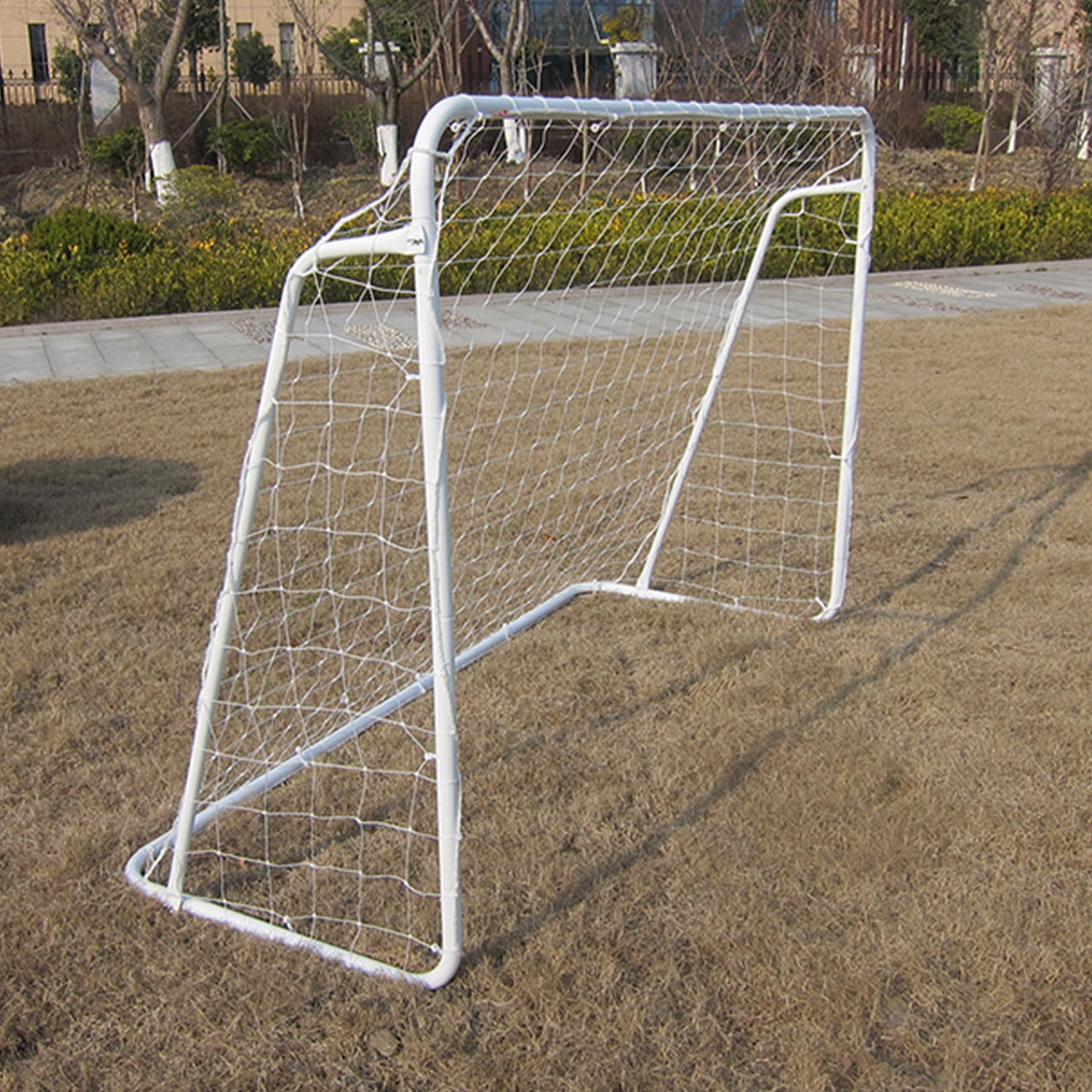
The landscape of athletic training has shifted dramatically over the past decade, and nowhere is this more visible than in how coaches and facility managers approach equipment selection. The portable soccer goal has moved from a convenient afterthought to a central piece of training infrastructure. What was once considered a compromise solution for teams without permanent fields is now actively preferred by professional academies, youth development programs, and multi-use sports facilities alike. Understanding why this shift is happening requires a closer look at how modern training demands have evolved and what portable systems uniquely offer in response.
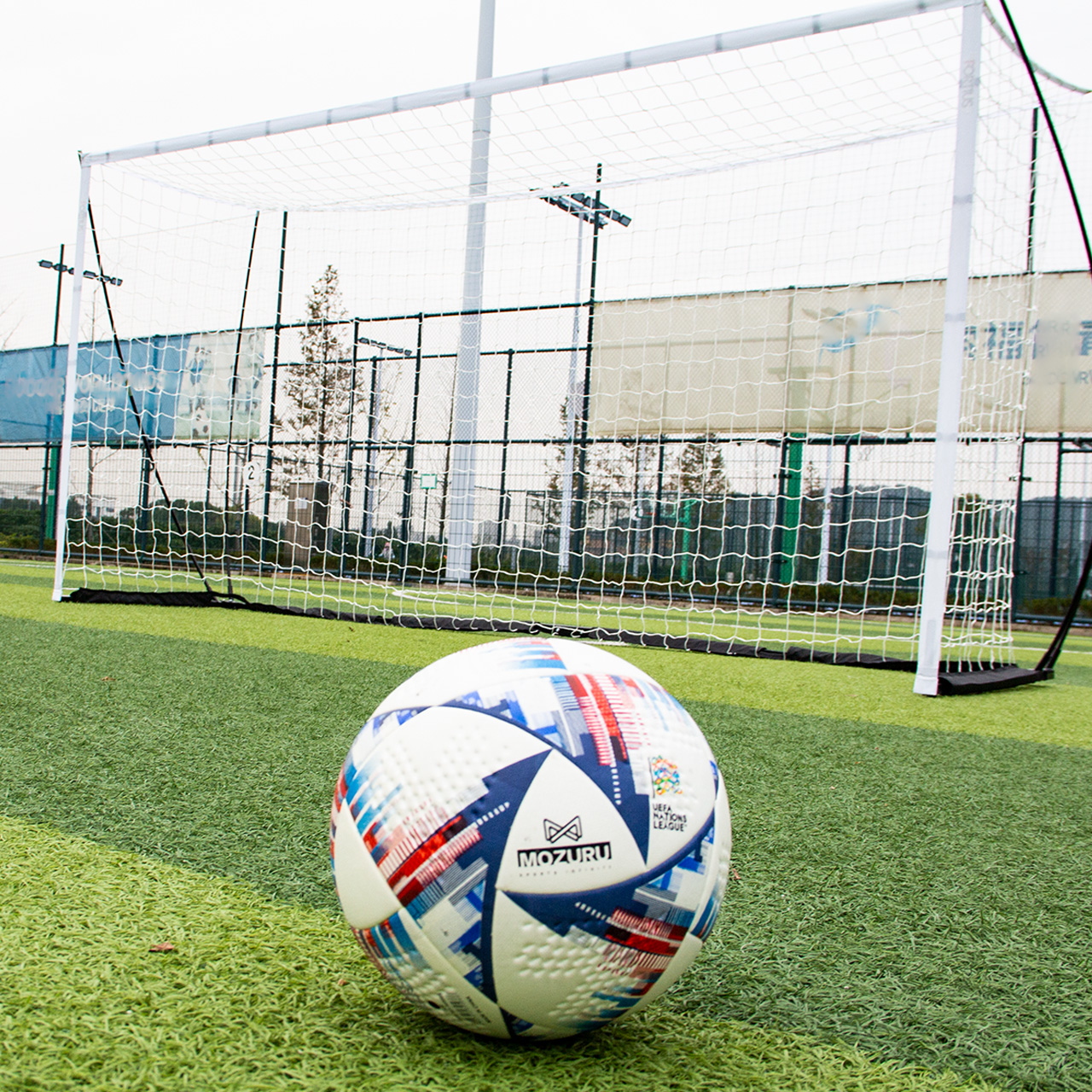
Training facilities today are under pressure to do more with the same physical space. A single indoor hall or outdoor pitch may need to serve multiple age groups, multiple sports, and multiple coaching sessions within the same day. A fixed soccer goal anchored into the ground simply cannot adapt to that reality. The portable soccer goal, by contrast, can be repositioned, folded, stored, and redeployed in minutes, making it a genuinely flexible asset rather than a fixed constraint. This operational flexibility is one of the primary drivers behind the growing adoption of portable systems across training environments of every scale.
The Operational Demands Driving Adoption
Multi-Use Facility Pressures
Modern sports facilities are rarely dedicated to a single sport or a single team. Community centers, private academies, and university athletic departments all manage shared spaces where scheduling conflicts are the norm rather than the exception. A portable soccer goal allows facility managers to reconfigure the playing area quickly between sessions, accommodating a youth soccer drill in the morning and a futsal match in the afternoon without any structural modification to the space itself.
This adaptability directly reduces operational friction. Staff do not need specialized tools or extended setup windows to move equipment. A foldable soccer goal can typically be assembled or disassembled by one or two people in under five minutes, which means transitions between sessions stay tight and revenue-generating time on the pitch is maximized. For commercial facilities, that efficiency translates directly into better scheduling capacity and improved return on the space investment.
The ability to scale the number of soccer goal units in use also matters. A coach running a small-sided game drill may need four or six goals positioned across the pitch simultaneously. Portable systems make that configuration practical in a way that permanent installations never could. The training session can be designed around the ideal tactical setup rather than around whatever fixed infrastructure happens to exist.
Seasonal and Venue Flexibility
Many training programs operate across multiple venues throughout the year, moving between indoor facilities in winter and outdoor pitches in warmer months. A portable soccer goal travels with the team, ensuring consistent equipment quality regardless of the venue. Coaches do not need to adapt their training methodology to whatever goal infrastructure happens to be available at each location.
This portability also benefits programs that rent rather than own their training spaces. Investing in a high-quality portable soccer goal makes sense when the equipment can move with the program. Fixed installations, by contrast, represent a sunk cost that stays behind when a lease ends or a venue changes. The financial logic of portable systems is therefore particularly compelling for growing programs that have not yet secured permanent facilities.
Design and Engineering Improvements That Changed the Market
Material Advances in Frame Construction
Early portable soccer goal designs were often criticized for feeling flimsy or unstable during active play. That perception has changed significantly as manufacturers have adopted stronger lightweight alloys and improved joint engineering. Contemporary portable frames are engineered to absorb repeated impact from powerful shots without flexing excessively or losing their shape over time. The result is a soccer goal that performs credibly in high-intensity training environments, not just casual recreational use.
Corrosion resistance has also improved substantially. Outdoor training environments expose equipment to moisture, UV radiation, and temperature fluctuation. Modern portable soccer goal frames use surface treatments and material choices that extend service life considerably compared to earlier generations of portable equipment. Facility managers can now expect a portable soccer goal to deliver several seasons of reliable performance with basic maintenance.
The folding and locking mechanisms that allow a soccer goal to collapse for storage have also become more refined. Precision-engineered hinges and secure locking points mean the goal deploys into a rigid, stable structure rather than a loosely assembled frame. That rigidity matters during training because it ensures the goal behaves predictably when shots hit the frame or net, which is important for realistic shooting practice.
Net Quality and Attachment Systems
The net is a critical component of any soccer goal, and portable systems have historically lagged behind permanent installations in net quality. That gap has narrowed considerably. High-tenacity polyethylene and knotless net constructions are now common in quality portable soccer goal products, offering resistance to tearing and UV degradation that matches or exceeds what many permanent goals provide.
Attachment systems have also improved. Nets that clip, hook, or tension onto the frame securely stay in position during play and do not sag or detach when struck by powerful shots. A well-attached net also contributes to the overall rigidity of the soccer goal structure, since the net itself acts as a stabilizing element when properly tensioned. These engineering details matter in a training context where equipment reliability directly affects the quality of the session.
Safety Considerations That Support Institutional Adoption
Stability Standards and Anchoring Solutions
One of the most important factors in institutional adoption of any soccer goal system is safety compliance. Portable goals must meet stability requirements to prevent tipping, which is a documented risk with improperly designed or unsecured goal equipment. Reputable portable soccer goal products are designed with low center-of-gravity frames, wide rear footprints, and compatibility with ground anchoring systems such as stakes, sandbags, or weighted bases.
Training facilities that operate under formal safety protocols or insurance requirements need equipment that can be demonstrably secured. The availability of anchoring accessories for portable soccer goal systems has made it much easier for facility managers to satisfy those requirements without resorting to permanent installation. A properly anchored portable goal can meet the same stability standards as a fixed structure while retaining all the flexibility benefits of a portable design.
Coaches and facility staff also benefit from clear assembly instructions and intuitive locking mechanisms that reduce the risk of incorrect setup. A soccer goal that is easy to assemble correctly is less likely to be deployed in an unsafe configuration. Manufacturers who invest in clear documentation and foolproof locking systems are therefore contributing directly to safer training environments.
Reduced Risk from Permanent Infrastructure
Permanent soccer goal installations carry their own safety risks, particularly when they age and their anchoring systems degrade. A portable soccer goal that is stored when not in use eliminates the risk of an unsupervised child or athlete interacting with an unsecured permanent structure. Many facility managers have moved toward portable systems specifically to reduce liability exposure associated with permanently installed equipment that cannot be easily removed from public access areas.
Storage also protects the equipment itself. A portable soccer goal that is folded and stored indoors between sessions is not exposed to the cumulative weathering that degrades permanent outdoor installations. This extends service life and reduces the frequency of replacement, which has both financial and environmental benefits for the facility.
Economic and Logistical Advantages for Training Programs
Lower Total Cost of Ownership
The upfront cost of a quality portable soccer goal is typically lower than the combined cost of purchasing and permanently installing a fixed goal. When installation labor, ground anchoring hardware, and potential site modification costs are factored in, the economic case for portable systems becomes even stronger. For programs operating on constrained budgets, the ability to acquire multiple portable soccer goal units for the cost of a single permanent installation is a significant advantage.
Maintenance costs also favor portable systems. A portable soccer goal that is stored properly between uses accumulates wear more slowly than a permanently exposed structure. When components do need replacement, portable systems are generally designed with accessible spare parts for nets, clips, and frame sections. This repairability extends the useful life of the equipment and reduces the total cost of ownership over a multi-year horizon.
For programs that grow or change over time, the scalability of portable soccer goal inventories is another economic advantage. Additional units can be purchased incrementally as the program expands, without requiring any modification to the facility infrastructure. That scalability is simply not available with permanent installations, which require construction work each time capacity needs to increase.
Simplified Procurement and Replacement
Procuring a portable soccer goal is straightforward compared to the process of specifying, ordering, and installing a permanent structure. Facility managers can evaluate options, place orders, and have equipment in use within days rather than weeks or months. This speed of procurement is particularly valuable for programs that need to respond quickly to new training opportunities or facility changes.
Replacement is equally simple. When a portable soccer goal reaches the end of its service life, it can be removed and replaced without any site work. The facility is not left with a hole in the ground or a concrete anchor pad that needs remediation. This clean replacement cycle is a practical advantage that facility managers increasingly recognize when making long-term equipment planning decisions.
FAQ
What size portable soccer goal is most suitable for training facilities?
The appropriate size depends on the age group and training purpose. Full-size portable soccer goal options are suitable for adult and senior youth training, while smaller dimensions are better for youth development and small-sided game formats. Many facilities invest in multiple sizes to support different training programs within the same space.
How is a portable soccer goal kept stable during intense training sessions?
Stability is achieved through a combination of frame design and anchoring accessories. A well-designed portable soccer goal has a wide rear footprint and a low center of gravity that resists tipping. Ground stakes, sandbags, or weighted base attachments provide additional security on both grass and hard surfaces, ensuring the goal remains stationary during powerful shots and physical contact.
How long does a quality portable soccer goal typically last in regular training use?
With proper care and storage, a quality portable soccer goal can deliver reliable performance for several seasons of regular training use. Factors that extend service life include storing the goal indoors or under cover when not in use, inspecting locking mechanisms and net attachments regularly, and replacing worn components such as nets or clips before they fail. Proper maintenance significantly reduces total replacement costs over time.
Can a portable soccer goal be used on multiple surface types?
Yes, most portable soccer goal systems are designed to function on natural grass, artificial turf, and hard court surfaces. The anchoring method varies by surface type, with ground stakes used on grass and sandbag or weighted base systems used on hard surfaces. Checking that the specific soccer goal model includes compatible anchoring options for all intended surfaces is an important step in the procurement process.