
 EN
EN
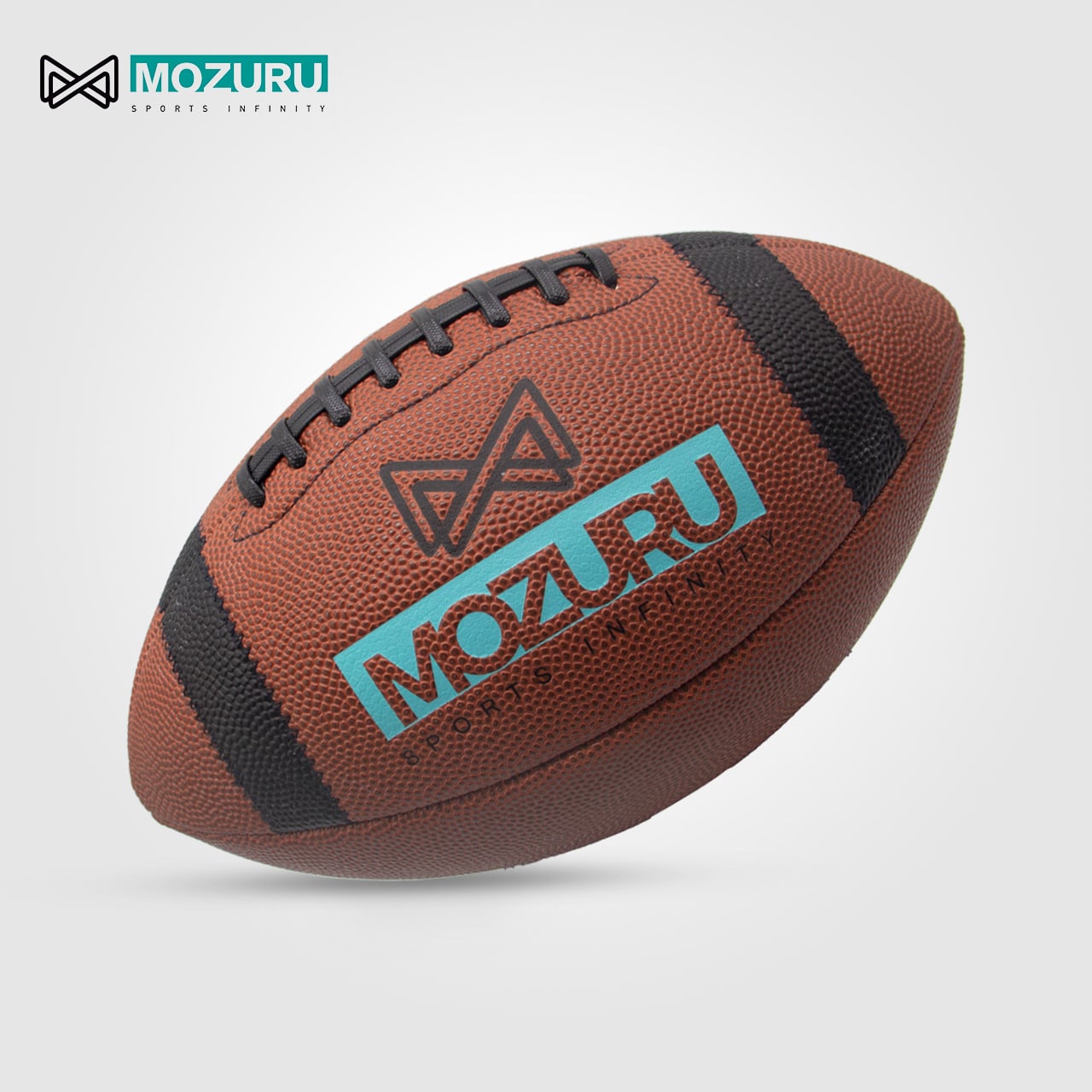
A soccer ball is far more than a simple round object used on the pitch. Every soccer ball carries a set of physical and structural characteristics that directly shape how it flies through the air, how it responds to a player's touch, and how consistently it performs over time. Understanding what makes one soccer ball behave differently from another is essential for coaches, players, and equipment buyers who want to match the right soccer ball to the right level of play.
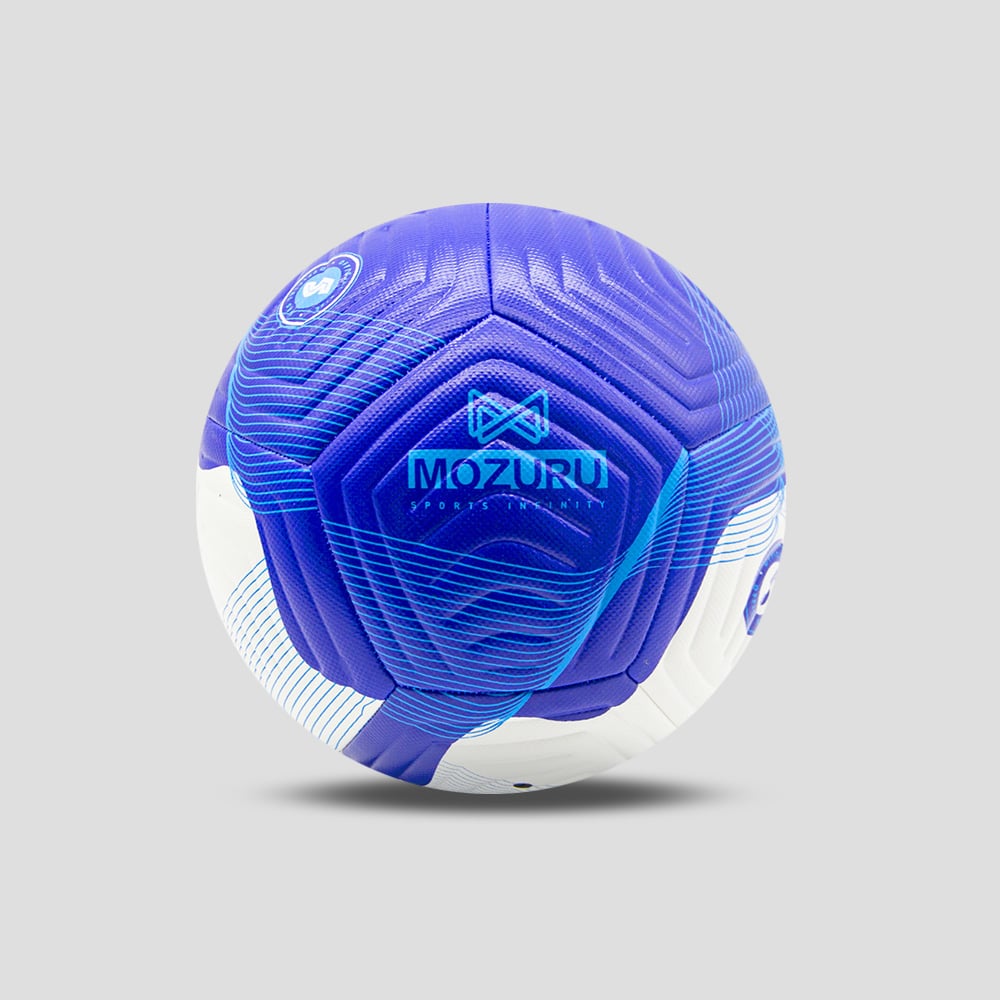
Whether you are outfitting a grassroots youth program, a competitive amateur league, or a professional training session, the soccer ball you choose carries meaningful consequences. The wrong soccer ball can affect player development, increase injury risk, and reduce the overall enjoyment of the game. This article examines the core factors that determine soccer ball performance and explains how those factors matter differently depending on the level of play.
Construction and Materials of a Soccer Ball
Outer Panel Materials
The outer casing of a soccer ball is one of the most critical performance variables. Most modern soccer ball designs use polyurethane, commonly known as PU, or polyvinyl chloride, known as PVC, as the outer material. A PU soccer ball tends to offer a softer touch, better responsiveness, and improved durability compared to a PVC soccer ball. For youth and recreational settings, a PVC soccer ball may serve adequately because it resists wear on rough surfaces. However, for competitive or professional training environments, a PU soccer ball delivers the tactile feedback that skilled players expect from a quality soccer ball.
The stitching method used to assemble a soccer ball also plays a significant role. A machine-stitched soccer ball provides consistent seam tension and predictable flight patterns, making it a reliable choice for training and match play at intermediate levels. A hand-stitched soccer ball typically offers a higher level of craftsmanship and is often found in premium match soccer ball products. For budget-conscious programs, a machine-stitched soccer ball remains a practical and cost-effective option that still delivers solid performance.
Bladder Technology Inside the Soccer Ball
Inside every soccer ball is a bladder that holds air and determines how the soccer ball retains pressure over time. Latex bladders give a soccer ball a softer feel and better energy return, but they require more frequent inflation. Butyl bladders, on the other hand, allow a soccer ball to hold air pressure much longer, which is why most training soccer ball models rely on butyl construction. For programs that cannot monitor ball pressure regularly, a butyl-bladder soccer ball offers a clear practical advantage. The bladder choice directly affects how a soccer ball responds to kicks, headers, and trapping, making it a key consideration at every level.
Size, Weight, and Pressure Standards
Matching Soccer Ball Size to Age Group
A soccer ball is produced in standardized sizes numbered from one through five. Size five is the regulation soccer ball used in adult and professional matches. Size four suits players in the nine-to-twelve age range, and size three is appropriate for younger children. Using the correct soccer ball size for the age group is not merely a rule — it directly affects skill development. A child using an oversized soccer ball will develop poor kicking mechanics and may sustain unnecessary strain on joints. Matching the soccer ball to the player's developmental stage is one of the simplest and most impactful equipment decisions a program can make.
Pressure and Weight Consistency
The weight and internal pressure of a soccer ball must stay within specified ranges to ensure fair and consistent play. A properly inflated soccer ball behaves predictably in the air, off the ground, and off player surfaces. An underinflated soccer ball moves sluggishly and absorbs energy inefficiently, which frustrates players and distorts their perception of how the soccer ball should respond. An overinflated soccer ball becomes hard, increases injury risk, and behaves erratically. Regular pressure checks are especially important in professional settings where each soccer ball must meet strict match standards. At recreational levels, even basic pressure maintenance improves game quality noticeably.
Surface Compatibility and Playing Environment
How Playing Surface Affects Soccer Ball Choice
The surface on which a soccer ball is used significantly influences both ball performance and ball lifespan. A soccer ball used on natural grass experiences different friction and rebound behavior compared to a soccer ball used on artificial turf or indoor court surfaces. Hard and abrasive surfaces wear down a soccer ball's outer casing faster, especially if the soccer ball uses a softer PU exterior. For outdoor programs using mixed surfaces, selecting a durable machine-stitched soccer ball with a reinforced PU cover ensures the soccer ball maintains its shape and performance characteristics longer. Indoor soccer ball variants often use a reduced-bounce design that suits the faster pace and harder surface of futsal or gym play.
Weather Conditions and Soccer Ball Behavior
Temperature and humidity both influence how a soccer ball performs in real conditions. In cold weather, a soccer ball loses internal pressure more rapidly, and the outer casing can stiffen, reducing the soccer ball's responsiveness. In high heat or humidity, a soccer ball may expand slightly and feel different under foot. Professional-level programs account for these environmental variables by monitoring soccer ball pressure before every session. Recreational programs benefit from choosing a soccer ball built with weather-resistant materials that maintain consistent performance across a broader range of conditions. Awareness of environmental factors helps extend the useful life of any soccer ball.
FAQ
What size soccer ball should youth players use?
Youth players should use a soccer ball matched to their age group. Children under eight typically use a size three soccer ball, players aged nine to twelve use a size four soccer ball, and players thirteen and older use the standard size five soccer ball. Using the correct size supports healthy skill development and reduces injury risk.
How often should a soccer ball be checked for pressure?
A soccer ball should ideally be checked before every training session or match. Pressure loss is natural over time, especially with latex-bladder soccer ball models. Maintaining proper pressure ensures the soccer ball performs consistently and reduces the risk of injury from an overinflated or underinflated soccer ball.
Is a machine-stitched soccer ball suitable for competitive play?
Yes, a machine-stitched soccer ball is suitable for competitive training and intermediate-level match play. Modern machine-stitched soccer ball construction delivers consistent panel tension and reliable flight characteristics. For top-tier professional matches, hand-stitched soccer ball options are preferred, but a high-quality machine-stitched soccer ball performs well across most competitive amateur and semi-professional settings.