
 EN
EN
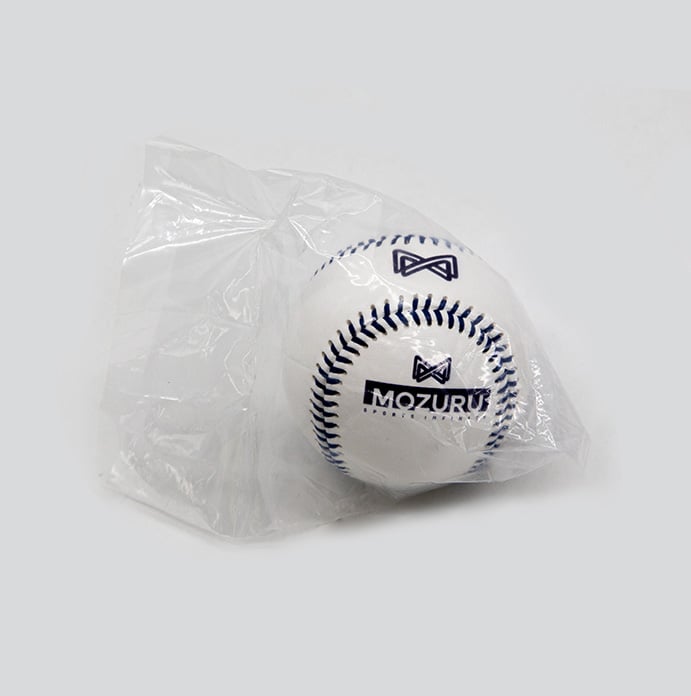
Pickleball has transformed from a backyard pastime into one of the fastest-growing sports in the world. What was once considered a niche recreational activity is now drawing millions of players across schools, community centers, retirement communities, and professional arenas. The rise of pickleball is not accidental — it reflects a deeper shift in how people of all ages approach fitness, community, and competitive play. Understanding why pickleball is growing so rapidly across different age groups requires a closer look at the sport's unique design, its social nature, and the cultural momentum it has built over the past decade.
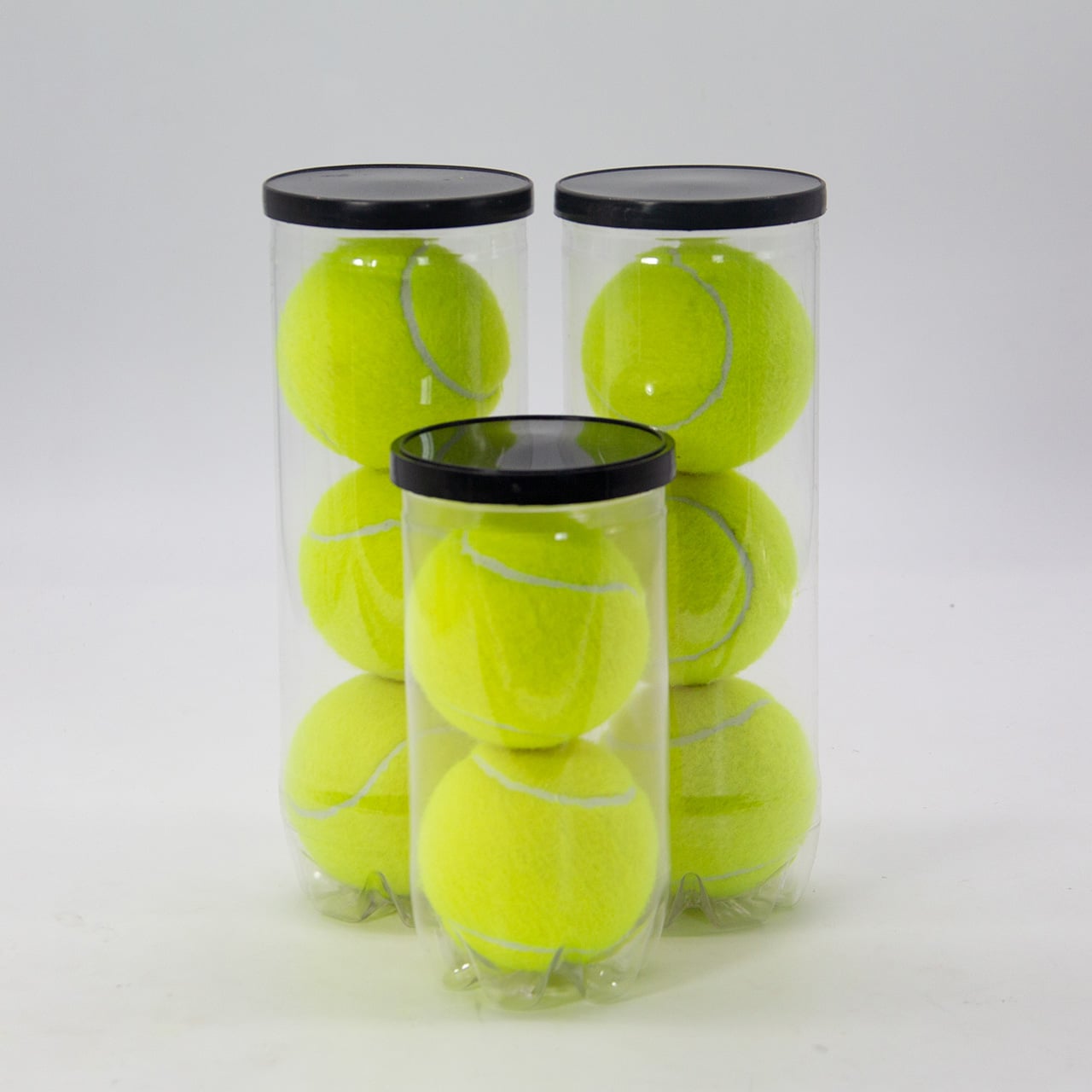
The appeal of pickleball stretches well beyond casual exercise. Players who engage with pickleball consistently report improvements in hand-eye coordination, cardiovascular endurance, and mental sharpness. Whether someone is eight years old or eighty, pickleball offers a format that is both challenging enough to stay interesting and accessible enough to avoid discouraging beginners. This balance is rare in competitive sports, and it is precisely what has made pickleball a phenomenon that crosses generational lines in a meaningful and sustained way.
The Accessible Design That Attracts Every Generation
A Court and Equipment Built for Broad Participation
One of the most compelling reasons pickleball grows so consistently across age groups is that the sport was practically designed to welcome everyone. The pickleball court is significantly smaller than a tennis court, which means less ground to cover and less physical strain on the body. The paddle used in pickleball is lighter than a tennis racket, reducing the burden on wrists, elbows, and shoulders. The pickleball itself moves more slowly through the air than a tennis ball, giving players more time to react and respond — a factor that makes pickleball especially forgiving for older adults and younger beginners alike.
This thoughtful design means that a senior citizen recovering from a knee injury can enjoy pickleball without overexerting themselves, while a competitive teenager can still find the game fast-paced and technically demanding. Pickleball adapts to the player rather than demanding the player adapt to it. That flexibility is a major driver behind the multi-generational growth pickleball continues to experience each year.
Low Barrier to Entry and Fast Learning Curve
Another key factor fueling pickleball growth is how quickly new players can learn the basic rules and start playing confidently. Unlike sports that require months of training before a beginner can sustain a rally, pickleball allows most newcomers to participate in a real game within their first session. The simplified scoring, the smaller court, and the slower ball speed all contribute to a faster learning curve. Schools introducing pickleball into physical education programs often find that students are engaged and competitive within just a few classes, making pickleball an effective and enjoyable tool for youth fitness.
The Social Dimension That Keeps Players Coming Back
Community Building Through Pickleball
Pickleball is inherently a social sport. The doubles format, which is the most common way to play pickleball, places four players in close proximity on a compact court. This closeness encourages conversation, laughter, and interaction between points — something that longer-distance sports simply cannot replicate as naturally. Many pickleball players describe their local pickleball group not just as a sports team but as a genuine community. This sense of belonging is particularly powerful for retired adults who may have fewer structured social opportunities, and it is one of the most frequently cited reasons why older adults adopt pickleball and stick with it long-term.
Younger players are also drawn to the social energy of pickleball. College students and young professionals are forming pickleball leagues at a rapid pace, using pickleball as a way to meet new people and decompress from work or academic pressure. The sport's culture tends to be inclusive, welcoming, and low on ego — qualities that attract a wide demographic and sustain pickleball's growth beyond simple fitness trends.
Intergenerational Play and Family Bonding
One of pickleball's most distinctive advantages is that it allows people of vastly different ages to play together competitively and enjoyably. A grandparent and a grandchild can share a pickleball court and have a genuinely competitive match, something that is difficult to achieve in most other sports. This intergenerational quality of pickleball creates unique bonding opportunities within families and across communities. As more households discover pickleball together, the sport builds loyalty across multiple generations simultaneously, which accelerates its overall growth in a way that few other sports can match.
Infrastructure Growth and Cultural Momentum
Expanding Courts and Organized Leagues
The physical infrastructure supporting pickleball has expanded dramatically in recent years. Parks, recreation centers, gyms, and resorts across many regions have added dedicated pickleball courts to meet rising demand. As pickleball courts become more available, more people have the opportunity to try pickleball for the first time, which in turn drives further growth. Many municipalities have converted unused tennis courts into pickleball courts, tripling or quadrupling the number of playable surfaces almost overnight. This rapid infrastructure expansion creates a self-reinforcing cycle: more courts lead to more players, and more players create demand for even more courts.
Organized pickleball leagues, tournaments, and clinics have also proliferated at the local, regional, and national level. These structured opportunities give players of all skill levels a reason to stay engaged with pickleball beyond casual play. Competitive pickleball events attract media coverage, sponsorships, and public curiosity, all of which introduce new audiences to the sport. The combination of grassroots community play and higher-level competitive pickleball coverage has created a cultural momentum that is difficult to reverse and easy to build upon.
Media Coverage and Celebrity Endorsement
Pickleball has earned significant attention from mainstream media and celebrity culture. High-profile athletes from other sports, entertainment personalities, and business leaders have publicly embraced pickleball, bringing new visibility to the sport. When influential figures are seen playing pickleball and speaking positively about it, their audiences become curious. This organic word-of-mouth combined with social media content has allowed pickleball to reach demographics that traditional sports marketing might not have targeted. The result is a sport that feels both trendy and timeless — accessible to the young and comfortable for the experienced.
FAQ
Why is pickleball considered good for older adults?
Pickleball is well-suited for older adults because its smaller court, lighter equipment, and slower ball reduce physical strain while still delivering meaningful cardiovascular and social benefits. Many seniors find pickleball easier on their joints than tennis while still providing the competitive engagement they enjoy.
Can children and teenagers benefit from playing pickleball?
Yes, pickleball is highly beneficial for younger players. It develops hand-eye coordination, teamwork, and strategic thinking. The fast learning curve of pickleball means children can start playing real games quickly, which keeps them motivated. Many schools now include pickleball in their physical education curriculum for this reason.
What makes pickleball different from other racket sports in terms of growth?
Pickleball stands apart from other racket sports because it uniquely combines accessibility, social interaction, and competitive depth in a single format. Other racket sports often require significant skill investment before becoming enjoyable, while pickleball delivers fun and community from the very first session. This quality is the core engine behind pickleball's sustained multi-generational growth.