
 EN
EN
The soccer ball has become one of the most powerful symbols of global sport expansion in the modern era. Across continents where organized sport infrastructure is still developing, the soccer ball consistently serves as the entry point for communities discovering competitive athletics for the first time. Its low barrier to entry, combined with minimal equipment requirements, makes the soccer ball a uniquely accessible tool for grassroots sport development in emerging markets.
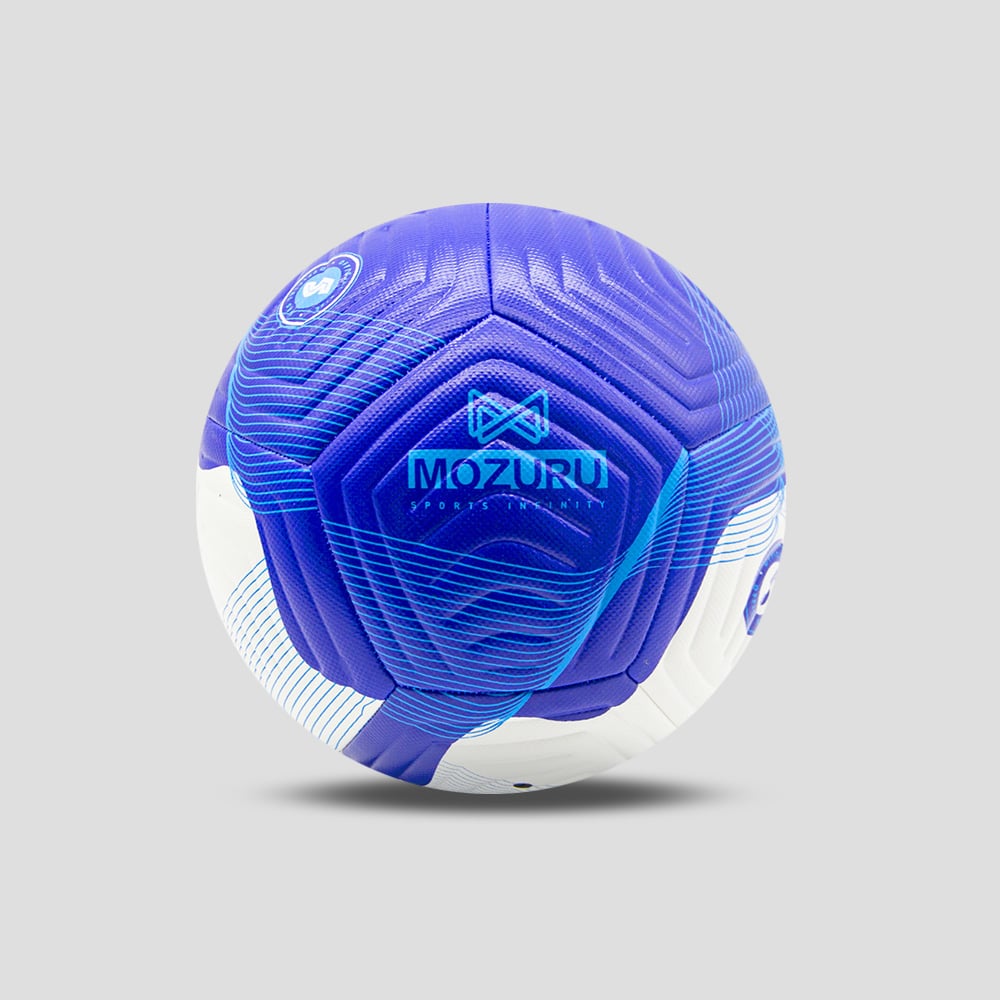
Understanding how the soccer ball is shaping emerging sports markets requires looking beyond elite competitions. From Southeast Asia to Sub-Saharan Africa and Latin American interior regions, the soccer ball is fueling a transformation in how communities relate to sport, physical wellness, and even economic opportunity. This article explores the key mechanisms behind soccer's expanding influence, focusing on how the soccer ball drives adoption, infrastructure investment, and commercial growth across markets that were previously underserved by organized sport.
Grassroots Adoption and the Soccer Ball's Role in New Markets
Why the Soccer Ball Is the First Choice in Emerging Communities
In many emerging markets, the soccer ball is the very first piece of sports equipment that children and youth encounter. Unlike sports that require expensive gear, court infrastructure, or complex rules to enjoy, the soccer ball demands very little to provide meaningful play. A durable soccer ball and a patch of open ground are sufficient to bring dozens of participants together, making the soccer ball the most democratically accessible sport tool available. This accessibility is a primary driver of soccer's dominance in new markets.
Community coaches and NGO-led sport programs consistently report that distributing a soccer ball to a new village or urban neighborhood generates immediate, sustained engagement. The soccer ball creates social structures, teaches teamwork, and introduces young players to the idea of organized competition. Over time, repeated contact with a soccer ball in grassroots settings builds the foundation for more structured league systems, player identification pipelines, and long-term sport participation habits. The soccer ball, in this sense, is not just a piece of equipment — it is a catalyst for broader sport ecosystem development.
How Affordable Soccer Ball Technology Supports Market Entry
Modern machine-stitched soccer ball production has dramatically lowered the cost of quality equipment, enabling organizations operating in price-sensitive emerging markets to distribute soccer balls at scale. A high-quality PU machine-stitched soccer ball now offers durability and performance previously associated only with higher-priced hand-stitched options. This shift in soccer ball manufacturing technology directly supports market entry strategies by eliminating the cost barrier that once limited soccer ball access in lower-income communities.
Procurement officers and sport development organizations sourcing a soccer ball for large-scale programs look specifically for machine-stitched PU soccer ball options that balance cost efficiency with field durability. A well-constructed soccer ball that maintains shape and air retention under rough playing conditions is essential for programs that cannot afford frequent soccer ball replacements. The improved quality of entry-level soccer ball products has therefore been a direct enabler of soccer's expansion into markets where budget constraints were previously a limiting factor.
Infrastructure Investment Triggered by Soccer Ball Culture
How Soccer Ball Demand Drives Facility and Resource Development
When a soccer ball culture takes root in an emerging market, it inevitably generates pressure for physical infrastructure to support growing participation. Schools, municipalities, and private investors respond to rising soccer ball demand by building pitches, installing lighting, and creating organized league structures. The soccer ball, as the nucleus of this activity, indirectly drives investment far beyond its own modest cost. A single soccer ball introduced into a new community can ultimately trigger the development of facilities, coaching programs, and competitive structures worth many times more than the ball itself.
This infrastructure development effect is particularly visible in Southeast Asian markets, where rising youth soccer ball engagement over the past decade has spurred significant investment in training academies, indoor futsal venues, and regional league competitions. The soccer ball adoption curve in these markets closely tracks facility development timelines, confirming the role of grassroots soccer ball culture as a leading indicator of broader sport infrastructure investment. Organizations tracking emerging market sport development use soccer ball participation rates as a proxy metric for overall market readiness.
Commercial Ecosystem Growth Around the Soccer Ball
Beyond facilities, the soccer ball generates commercial ecosystems that include retail distribution, coaching certifications, media rights, and sponsorship structures. As more communities engage with a soccer ball at the grassroots level, consumer demand for sport apparel, training equipment, and eventually broadcast content follows. Each stage of this commercial growth cycle traces back to the foundational role of the soccer ball as the first product in the sport participation chain. B2B suppliers, distributors, and sport goods retailers entering emerging markets typically use soccer ball sales volume as a benchmark for market maturity.
Professional League Expansion and Soccer Ball Standardization
How League Growth Elevates Soccer Ball Standards Across Markets
As emerging markets develop more formalized league structures, the demand for a standardized, regulation-quality soccer ball increases significantly. Grassroots engagement with a soccer ball naturally creates aspirational demand for the same soccer ball used in professional competitions. This dynamic drives emerging market leagues to adopt international soccer ball standards, encouraging local distributors and importers to source soccer ball products that meet recognized quality benchmarks. The soccer ball, in this context, becomes a symbol of market maturation and competitive legitimacy.
Professional league expansion across markets in Africa, South and Southeast Asia, and parts of Eastern Europe has created substantial B2B sourcing demand for consistent, performance-grade soccer ball supply. League operators must ensure every match soccer ball meets consistent size, weight, and pressure specifications, which requires working with soccer ball suppliers capable of delivering reliable quality at scale. This has elevated the strategic importance of soccer ball procurement within emerging market sport organizations, connecting grassroots demand directly to international supply chains.
Media and Digital Channels Amplifying Soccer Ball Culture
Digital media has played a transformative role in accelerating soccer ball culture across emerging markets. Mobile-first audiences in developing regions consume massive volumes of soccer content, reinforcing the cultural centrality of the soccer ball in everyday life. Social media platforms enable grassroots soccer ball communities to connect with global soccer culture, further strengthening local identification with the sport. This media amplification effect compresses the timeline from first soccer ball contact to structured competitive participation, accelerating market development cycles considerably.
FAQ
Why is the soccer ball so central to sport development in emerging markets?
The soccer ball requires minimal supporting infrastructure to provide meaningful play, making it uniquely accessible in communities with limited sport resources. Its low cost, simple rules, and universal cultural familiarity make the soccer ball the default starting point for sport development programs worldwide.
What type of soccer ball is most suitable for large-scale grassroots programs?
A machine-stitched PU soccer ball typically offers the best balance of affordability, durability, and consistent performance for high-volume grassroots distribution programs. This type of soccer ball maintains shape and air retention under demanding field conditions, reducing replacement costs for organizations operating in emerging markets.
How does soccer ball adoption connect to broader commercial sport market growth?
Soccer ball adoption at the grassroots level generates cascading demand for sport infrastructure, retail products, coaching services, and eventually media content. B2B operators and sport goods distributors use soccer ball market penetration as a leading indicator of emerging market commercial readiness across the broader sport goods and services sector.