
 EN
EN
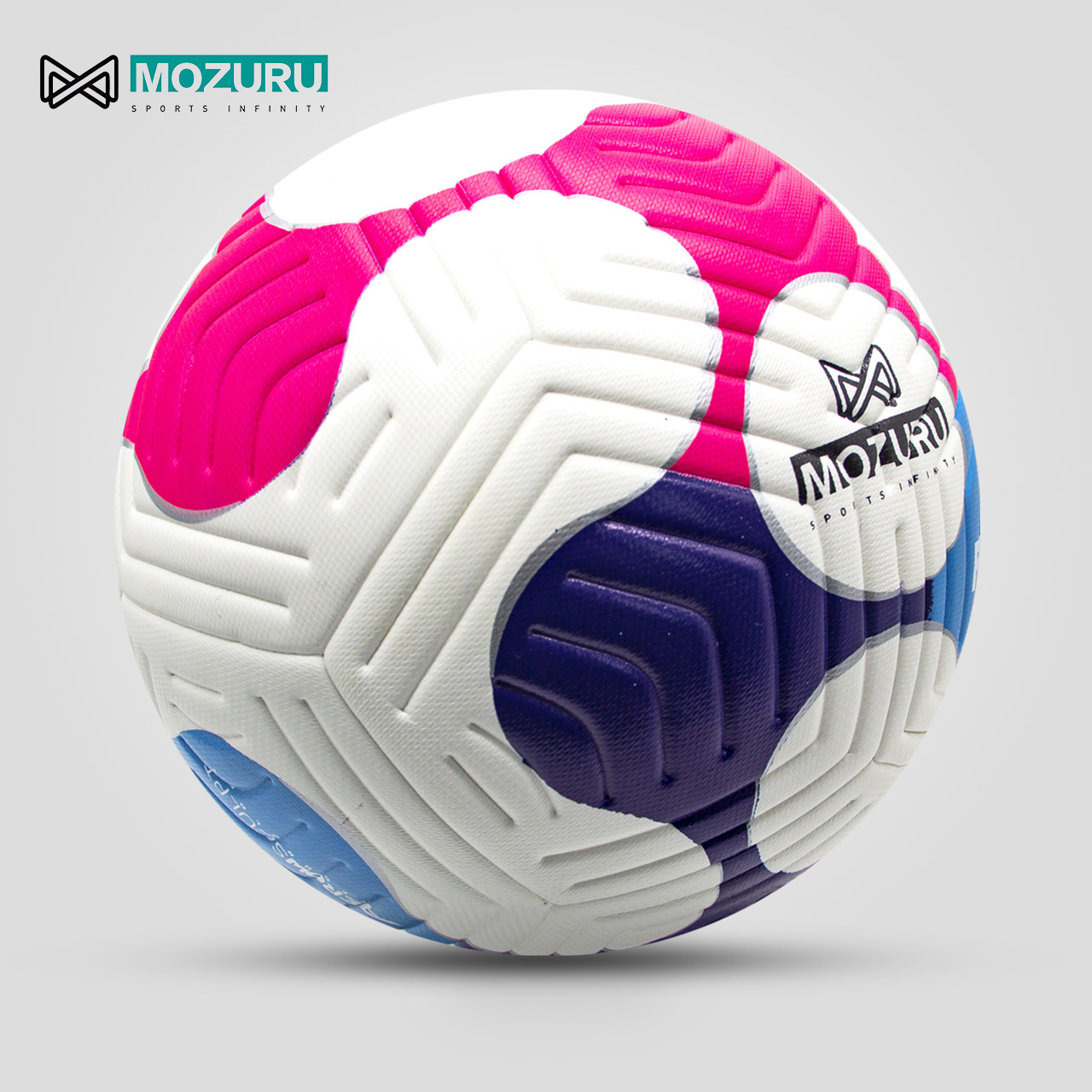
Modern volleyball construction has revolutionized how athletes train, compete, and develop their skills across recreational and professional levels. The engineering behind volleyball construction encompasses everything from court surfaces and net systems to equipment specifications that directly impact player performance and safety. Understanding the principles of volleyball construction enables facility managers, coaches, and event organizers to create optimal environments that enhance athletic development and ensure compliance with international standards. Professional volleyball construction involves precise measurements, specialized materials, and strategic design considerations that influence game dynamics, player movement patterns, and overall sporting experiences.

Essential Elements of Professional Volleyball Construction
Court Surface Specifications and Materials
The foundation of any volleyball construction project begins with selecting appropriate court surface materials that provide optimal traction, shock absorption, and durability. Professional volleyball construction requires synthetic surfaces or hardwood flooring systems engineered to reduce injury risk while maintaining consistent ball bounce characteristics. These specialized surfaces undergo rigorous testing to ensure they meet international federation standards for coefficient of restitution and surface friction. Modern volleyball construction incorporates multi-layered flooring systems with underlayment materials that absorb impact forces and reduce stress on players' joints during intense training sessions.
Advanced volleyball construction techniques utilize polyurethane-based court surfaces that offer superior performance characteristics compared to traditional materials. These surfaces provide excellent grip for quick directional changes while offering enough give to prevent excessive strain on athletes' lower extremities. The installation process requires precise leveling and moisture control measures to ensure long-term stability and performance consistency. Quality volleyball construction also considers environmental factors such as temperature fluctuations and humidity levels that can affect surface properties over time.
Net System Design and Installation Requirements
Professional volleyball construction demands precision in net system installation to ensure proper height regulation and tensioning capabilities. The net assembly components must withstand repeated impacts while maintaining structural integrity throughout extended use periods. Volleyball construction specifications require posts that can adjust to accommodate different competition levels, from youth programs to professional tournaments. The tensioning mechanisms incorporated in modern volleyball construction allow for fine adjustments that ensure consistent net height across the entire playing surface.
Contemporary volleyball construction integrates quick-setup net systems that facilitate efficient transitions between different activities in multipurpose facilities. These systems feature lightweight yet durable materials that resist weather exposure and maintain their structural properties under varying environmental conditions. The installation process requires careful alignment to prevent net sagging or uneven tensioning that could affect game play quality. Proper volleyball construction includes anchoring systems that provide stability without creating safety hazards for players moving near the court boundaries.
Training Facility Design Considerations
Space Optimization and Layout Planning
Effective volleyball construction for training facilities requires strategic space allocation that maximizes practice opportunities while ensuring adequate safety clearances around court perimeters. The design process must account for multiple court configurations that can accommodate various training activities simultaneously without interference. Professional volleyball construction incorporates flexible lighting systems that provide uniform illumination across all playing surfaces while minimizing glare and shadow formation. Ceiling height requirements in volleyball construction exceed minimum specifications to allow for advanced spike training and serve development exercises.
Modern training facility volleyball construction emphasizes adaptability through modular design elements that can be reconfigured based on specific program needs. This approach allows facilities to host different age groups and skill levels efficiently while maintaining optimal training conditions for each demographic. The planning phase of volleyball construction considers traffic flow patterns that minimize congestion during peak usage periods. Strategic placement of equipment storage areas within the volleyball construction design ensures quick access to training aids without disrupting ongoing activities.
Climate Control and Environmental Systems
Sophisticated volleyball construction incorporates HVAC systems designed to maintain optimal temperature and humidity levels that enhance player comfort and equipment longevity. These environmental control systems prevent condensation formation on court surfaces that could create dangerous playing conditions during intense training sessions. Professional volleyball construction includes air circulation patterns that eliminate stagnant air pockets while preventing drafts that might affect ball trajectory during precision drills. The integration of air quality monitoring systems in volleyball construction ensures healthy indoor environments for extended training periods.
Energy-efficient volleyball construction utilizes smart climate control technologies that automatically adjust environmental parameters based on occupancy levels and activity intensity. These systems reduce operational costs while maintaining consistent playing conditions throughout varying seasonal weather patterns. The design specifications for volleyball construction include moisture barrier installation that prevents structural damage from humidity-related issues. Advanced volleyball construction projects incorporate natural ventilation strategies that supplement mechanical systems during favorable weather conditions.
Club Facility Development Strategies
Membership Growth and Retention Features
Strategic volleyball construction for club facilities emphasizes amenities that attract new members while providing compelling reasons for existing members to maintain their involvement. The design process integrates spectator viewing areas that enhance the social aspects of club volleyball programs and create revenue opportunities through event hosting. Professional volleyball construction includes flexible spaces that can accommodate social gatherings, team meetings, and educational workshops that strengthen club community bonds. These multipurpose areas within volleyball construction projects provide additional value propositions that differentiate clubs from competitors.
Contemporary club volleyball construction incorporates technology integration points that support live streaming capabilities for remote viewing of matches and training sessions. These features enable clubs to expand their reach beyond physical location limitations while generating additional revenue streams through digital content offerings. The infrastructure planning in volleyball construction includes high-speed internet connectivity and power distribution systems that support advanced scoring systems and performance analysis equipment. Modern volleyball construction also considers acoustic design elements that manage noise levels to maintain positive relationships with surrounding communities.
Revenue Generation Through Facility Design
Innovative volleyball construction approaches incorporate design elements that create multiple revenue opportunities beyond traditional membership fees and court rental income. These facilities include retail spaces for equipment sales, concession areas for food and beverage service, and meeting rooms that can be rented for corporate events or private functions. The volleyball construction planning process considers optimal placement of these revenue-generating areas to maximize visibility and accessibility without interfering with primary athletic activities. Strategic volleyball construction includes parking allocation that accommodates both regular members and event attendees during tournaments or special activities.
Professional volleyball construction projects integrate branding opportunities throughout facility design to attract corporate sponsorships and partnership agreements. These elements include prominent signage locations, branded court naming rights areas, and digital display systems that can showcase sponsor content during events. The construction specifications allow for future expansion possibilities that enable clubs to grow their revenue potential as membership and program demand increases. Quality volleyball construction includes infrastructure preparation for additional courts, expanded parking, or complementary facility additions that enhance overall club value propositions.
Event Hosting and Tournament Preparation
Competition Standards and Regulation Compliance
Professional volleyball construction for event hosting requires strict adherence to international competition standards that govern court dimensions, surface specifications, and equipment requirements. These regulations ensure fair play conditions and athlete safety during high-level competitions where performance margins are minimal. The volleyball construction process includes verification procedures that document compliance with governing body requirements for official tournament sanctioning. Proper documentation of volleyball construction specifications enables facilities to host regional, national, and international competitions that generate significant revenue and prestige.
Tournament-grade volleyball construction incorporates advanced timing and scoring systems that integrate seamlessly with broadcast equipment and statistical analysis platforms. These technological components require specialized electrical infrastructure and network connectivity that must be planned during initial construction phases. The volleyball construction specifications include provisions for instant replay systems, player tracking technologies, and other competition enhancement tools that modern tournaments demand. Compliance verification processes in volleyball construction ensure that all systems function reliably under the pressure of high-stakes competition environments.
Spectator Experience and Facility Logistics
Comprehensive volleyball construction for event hosting prioritizes spectator comfort and safety through strategic seating arrangements, clear sightlines, and efficient crowd flow management systems. The design process considers accessibility requirements that ensure all attendees can enjoy events regardless of physical limitations or mobility challenges. Professional volleyball construction includes adequate restroom facilities, concession areas, and merchandise sales locations that enhance overall event experiences while generating additional revenue streams. Emergency evacuation procedures and safety protocols are integrated into volleyball construction planning to ensure rapid response capabilities during unexpected situations.
Modern event-focused volleyball construction incorporates flexible seating configurations that can be adjusted based on expected attendance levels and event types. These adaptable systems allow facilities to create intimate atmospheres for smaller competitions while expanding capacity for major tournaments and championships. The volleyball construction design includes premium seating areas, hospitality suites, and VIP sections that provide enhanced experiences for sponsors and special guests. Strategic lighting and sound system placement in volleyball construction ensures optimal conditions for both live audiences and broadcast production teams covering events.
Innovation and Future Trends in Volleyball Construction
Technology Integration and Smart Facility Features
Cutting-edge volleyball construction embraces Internet of Things technologies that monitor facility conditions, track equipment usage patterns, and optimize energy consumption automatically. These smart systems provide facility managers with real-time data about court utilization, maintenance needs, and environmental conditions that affect playing quality. Advanced volleyball construction projects integrate sensors throughout flooring systems that detect impact patterns and wear indicators, enabling proactive maintenance scheduling that prevents costly repairs and service interruptions. The implementation of artificial intelligence in volleyball construction management systems helps optimize scheduling, resource allocation, and facility operation efficiency.
Contemporary volleyball construction incorporates augmented reality capabilities that enhance training experiences through virtual coaching assistance and performance analysis feedback. These technologies require robust network infrastructure and processing power that must be considered during initial construction planning phases. The integration of virtual reality systems in volleyball construction creates immersive training environments that simulate game situations and opponent strategies for enhanced skill development. Progressive volleyball construction includes provisions for emerging technologies that may become standard requirements in future facility operations.
Sustainability and Environmental Responsibility
Sustainable volleyball construction practices emphasize renewable energy integration, water conservation systems, and environmentally responsible material selection throughout project development. These approaches reduce long-term operational costs while demonstrating commitment to environmental stewardship that appeals to environmentally conscious athletes and community members. Green building certification programs recognize volleyball construction projects that meet stringent sustainability criteria, providing marketing advantages and potential tax incentives for facility owners. The implementation of solar panels, rainwater harvesting systems, and energy-efficient lighting in volleyball construction demonstrates forward-thinking facility management approaches.
Innovative volleyball construction utilizes recycled and renewable materials wherever possible without compromising performance standards or safety requirements. These material choices contribute to circular economy principles while often providing cost savings compared to traditional construction approaches. The incorporation of natural lighting strategies in volleyball construction reduces energy consumption while creating more pleasant environments for extended training sessions and events. Sustainable volleyball construction practices include waste reduction protocols during installation phases and end-of-life recycling plans for facility components.
FAQ
What are the minimum space requirements for professional volleyball construction?
Professional volleyball construction requires a minimum playing area of 18 meters by 9 meters with at least 3 meters of clear space on all sides for safety. The total facility space should measure approximately 24 meters by 15 meters to accommodate proper volleyball construction standards. Ceiling height must be at least 7 meters for competitive play, though 12.5 meters is preferred for international tournaments. Additional space considerations in volleyball construction include areas for team benches, officials' tables, and spectator seating that don't interfere with play zones.
How long does a typical volleyball construction project take to complete?
Standard volleyball construction projects typically require 3-6 months from groundbreaking to completion, depending on facility size and complexity. Indoor volleyball construction generally takes less time than outdoor facilities due to weather independence and simplified foundation requirements. The volleyball construction timeline includes design finalization, permitting processes, site preparation, structural work, and specialized surface installation phases. Complex volleyball construction projects with multiple courts, advanced technology integration, or custom features may require 8-12 months for proper completion and testing.
What maintenance requirements should be considered in volleyball construction planning?
Effective volleyball construction includes maintenance planning for court surface cleaning, net system inspection, and facility infrastructure upkeep throughout the facility's operational lifetime. Regular maintenance schedules for volleyball construction projects should include monthly deep cleaning, quarterly equipment inspections, and annual professional assessments of structural components. The volleyball construction specifications should include access panels for HVAC systems, electrical components, and plumbing infrastructure that facilitate routine maintenance activities. Preventive maintenance programs for volleyball construction facilities typically extend equipment life and ensure consistent playing conditions for athletes and events.
How do climate considerations affect volleyball construction decisions?
Climate factors significantly influence volleyball construction material selection, HVAC system sizing, and structural design requirements for different geographical locations. Hot and humid climates require enhanced ventilation systems in volleyball construction to maintain player comfort and prevent surface condensation issues. Cold climate volleyball construction includes enhanced insulation, heating system specifications, and thermal expansion considerations for flooring materials. The volleyball construction planning process must account for seasonal weather patterns, temperature fluctuations, and humidity levels that affect both structural integrity and playing surface performance over time.
Table of Contents
- Essential Elements of Professional Volleyball Construction
- Training Facility Design Considerations
- Club Facility Development Strategies
- Event Hosting and Tournament Preparation
- Innovation and Future Trends in Volleyball Construction
-
FAQ
- What are the minimum space requirements for professional volleyball construction?
- How long does a typical volleyball construction project take to complete?
- What maintenance requirements should be considered in volleyball construction planning?
- How do climate considerations affect volleyball construction decisions?