
 EN
EN
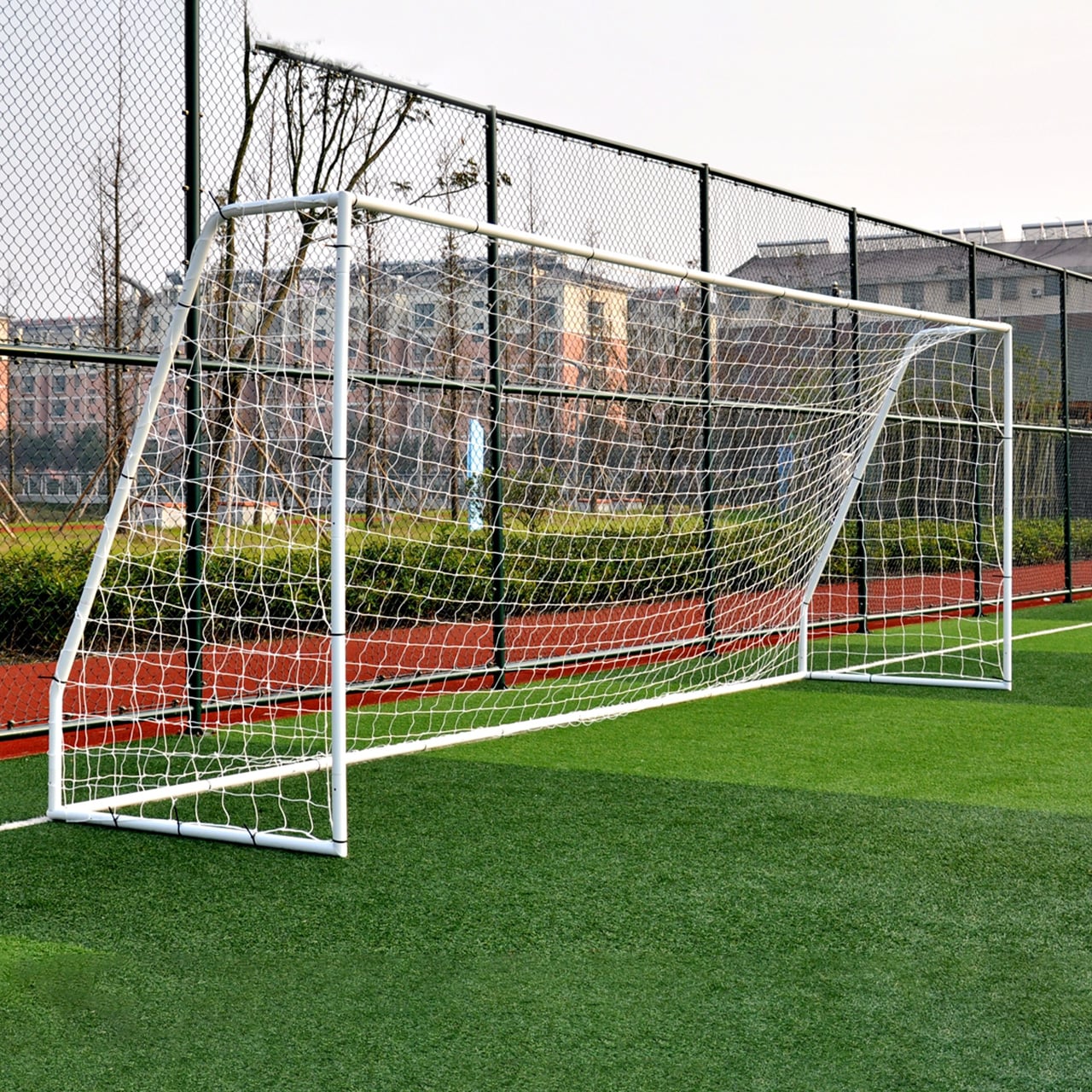
Retail chains across the global sports equipment industry face complex decisions when selecting rugby equipment for large-scale procurement. The process involves careful consideration of product quality, supplier reliability, cost efficiency, and market demand patterns. Understanding the intricacies of rugby equipment sourcing enables retailers to maximize profitability while meeting customer expectations in an increasingly competitive marketplace.
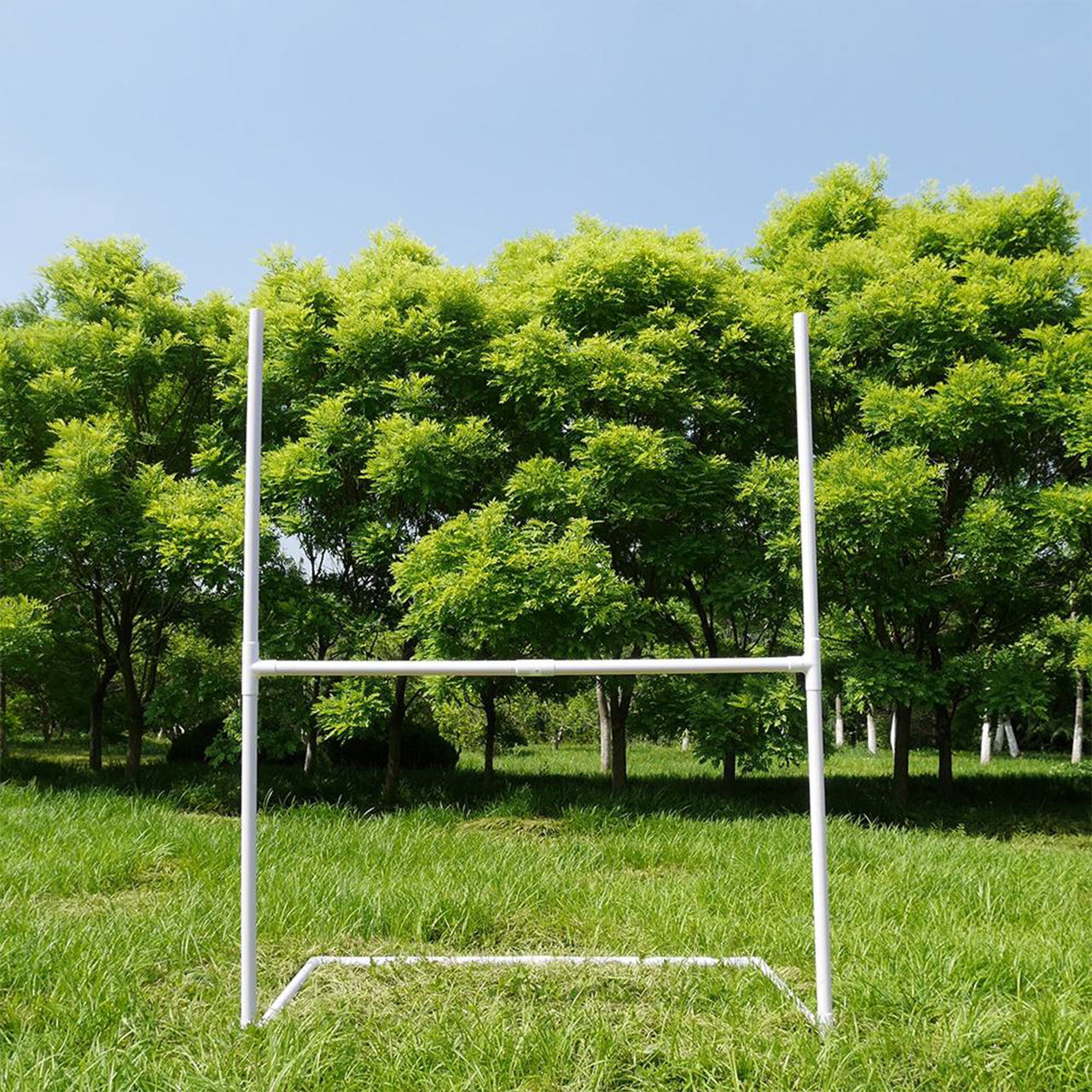
Modern retail chains must navigate various challenges when establishing partnerships with rugby equipment manufacturers. From international shipping logistics to quality control protocols, each aspect of the procurement process requires strategic planning and thorough evaluation. Successful retailers develop comprehensive frameworks that balance immediate cost concerns with long-term business objectives, ensuring sustainable growth in the sports equipment sector.
Market Analysis and Demand Forecasting
Understanding Rugby Equipment Market Trends
The global rugby equipment market demonstrates steady growth patterns, driven by increasing participation rates and professional league expansion worldwide. Retail chains must analyze regional preferences, seasonal fluctuations, and demographic shifts that influence purchasing behaviors. Market research indicates that rugby equipment sales peak during specific periods, requiring retailers to align their inventory strategies with these predictable cycles.
Consumer preferences in rugby equipment have evolved significantly, with players demanding higher performance standards and durability. Technical innovations in materials science have revolutionized product development, creating opportunities for retailers to differentiate their offerings through exclusive partnerships with innovative manufacturers. Understanding these technological advances enables retail chains to position themselves as premium suppliers in competitive markets.
Regional Market Variations
Different geographical regions exhibit distinct preferences for rugby equipment specifications, colors, and brand associations. European markets traditionally favor established brands with heritage connections to the sport, while emerging markets often prioritize value propositions and accessibility. Retail chains operating across multiple regions must develop flexible sourcing strategies that accommodate these regional variations without compromising operational efficiency.
Climate considerations also influence rugby equipment selection, as different regions require products adapted to varying weather conditions and playing surfaces. Retailers must collaborate with manufacturers who understand these environmental factors and can provide appropriate product variations for each target market. This regional customization capability becomes a critical factor in supplier evaluation processes.
Supplier Evaluation and Partnership Development
Manufacturing Capability Assessment
Evaluating potential suppliers requires comprehensive analysis of manufacturing capabilities, production capacity, and quality control systems. Retail chains must conduct thorough factory audits to verify compliance with international safety standards and assess the supplier's ability to handle large-scale orders consistently. Production facility location, equipment sophistication, and workforce expertise significantly impact delivery schedules and product quality.
Supply chain resilience has become increasingly important following global disruptions in recent years. Retailers must evaluate suppliers based on their ability to maintain production continuity, manage raw material sourcing effectively, and adapt to changing market conditions. Diversification strategies that include multiple supplier relationships help mitigate risks associated with single-source dependencies in the rugby equipment industry.
Quality Control and Testing Protocols
Establishing robust quality control protocols ensures that rugby equipment meets performance standards and safety requirements across all product categories. Retail chains must implement systematic testing procedures that evaluate durability, performance characteristics, and compliance with relevant regulatory standards. These protocols should encompass both pre-production samples and regular production monitoring to maintain consistent quality levels.
Third-party testing and certification provide additional assurance for retailers and their customers, particularly for safety-critical rugby equipment components. Collaborating with accredited testing laboratories enables retailers to validate product claims and demonstrate commitment to customer safety. This investment in quality assurance often translates into reduced warranty claims and enhanced brand reputation in the marketplace.
Cost Optimization and Financial Planning
Total Cost of Ownership Analysis
Effective cost analysis extends beyond initial purchase prices to encompass the total cost of ownership throughout the product lifecycle. Retail chains must evaluate shipping costs, customs duties, inventory carrying costs, and potential warranty expenses when comparing supplier proposals. This comprehensive approach reveals the true financial impact of different sourcing decisions and enables more informed procurement strategies.
Volume-based pricing negotiations require careful balance between order quantities and inventory risk exposure. Larger orders typically secure better unit prices but increase working capital requirements and storage costs. Retail chains must develop sophisticated forecasting models that optimize order quantities while minimizing overall financial exposure in volatile market conditions.
Payment Terms and Cash Flow Management
Negotiating favorable payment terms with rugby equipment suppliers significantly impacts cash flow management and overall profitability. Extended payment periods provide operational flexibility but may result in higher product costs, requiring careful evaluation of the trade-offs involved. Retail chains should explore various financing options, including letters of credit and trade financing facilities, to optimize their working capital efficiency.
Currency risk management becomes crucial for international rugby equipment sourcing, as exchange rate fluctuations can significantly impact total procurement costs. Forward contracts and other hedging instruments help stabilize costs and improve financial planning accuracy. Retailers must develop comprehensive currency risk policies that balance cost predictability with operational flexibility requirements.
Logistics and Distribution Considerations
International Shipping and Customs Management
Managing international shipping for rugby equipment requires expertise in customs regulations, documentation requirements, and logistics coordination across multiple jurisdictions. Retail chains must establish relationships with experienced freight forwarders who understand the specific requirements for sports equipment imports and can navigate potential regulatory challenges efficiently. Proper planning reduces delays and ensures timely product availability for retail operations.
Packaging optimization plays a crucial role in reducing shipping costs and minimizing environmental impact during rugby equipment transportation. Collaborative packaging design with suppliers can achieve significant cost savings while maintaining product protection standards. Retailers should evaluate packaging materials, dimensions, and methods to optimize container utilization and reduce overall logistics expenses.
Inventory Management and Distribution Planning
Efficient inventory management systems enable retail chains to balance product availability with carrying cost minimization across their distribution networks. Advanced demand forecasting tools help optimize stock levels and reduce the risk of obsolescence in seasonal rugby equipment categories. Integration between procurement systems and inventory management platforms provides real-time visibility into stock movements and reorder requirements.
Distribution center location and capacity planning must accommodate the physical characteristics of rugby equipment, including size, weight, and handling requirements. Automated storage and retrieval systems can improve operational efficiency while reducing labor costs in high-volume distribution environments. Retailers must evaluate the scalability of their distribution infrastructure to support future business growth and market expansion initiatives.
FAQ
What factors should retail chains prioritize when selecting rugby equipment suppliers for large orders
Retail chains should prioritize manufacturing quality, production capacity, supply chain reliability, and total cost competitiveness when evaluating rugby equipment suppliers. Additionally, factors such as compliance with safety standards, customization capabilities, and long-term partnership potential significantly impact supplier selection decisions for large-scale procurement.
How can retailers ensure consistent product quality across large rugby equipment orders
Implementing comprehensive quality control protocols, including pre-production samples, in-process inspections, and final product testing, ensures consistent quality across large orders. Establishing clear specifications, conducting regular supplier audits, and utilizing third-party testing services further enhance quality assurance throughout the procurement process.
What are the most effective strategies for managing costs in large-scale rugby equipment procurement
Effective cost management strategies include conducting total cost of ownership analysis, negotiating volume-based pricing, optimizing order quantities through demand forecasting, and implementing currency hedging for international purchases. Additionally, establishing long-term supplier relationships often provides access to preferential pricing and improved service levels.
How should retail chains handle seasonal demand fluctuations in rugby equipment sales
Managing seasonal demand requires sophisticated forecasting models, flexible supplier agreements, and strategic inventory positioning. Retailers should analyze historical sales patterns, collaborate with suppliers on capacity planning, and consider pre-season ordering strategies to ensure adequate stock availability during peak demand periods while minimizing excess inventory risks.
Table of Contents
- Market Analysis and Demand Forecasting
- Supplier Evaluation and Partnership Development
- Cost Optimization and Financial Planning
- Logistics and Distribution Considerations
-
FAQ
- What factors should retail chains prioritize when selecting rugby equipment suppliers for large orders
- How can retailers ensure consistent product quality across large rugby equipment orders
- What are the most effective strategies for managing costs in large-scale rugby equipment procurement
- How should retail chains handle seasonal demand fluctuations in rugby equipment sales